
Cut Lead Times with Rail Freight from China to UK

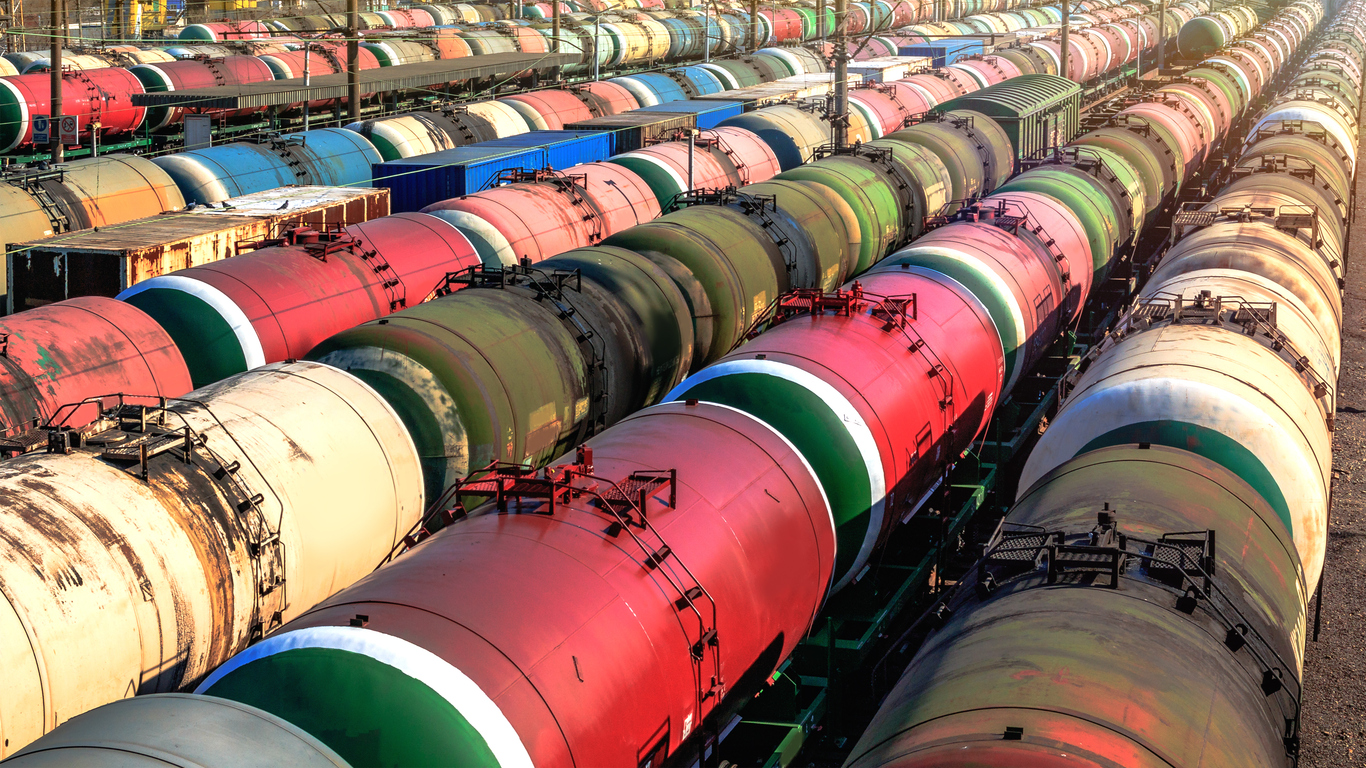
Rail freight China to UK has become an increasingly important transport solution for UK importers seeking a balance between air freight speed and sea freight cost efficiency. As trade between China and the United Kingdom continues to grow, businesses in wholesale distribution, FMCG, retail, and manufacturing are exploring rail freight as a reliable alternative for moving goods along the modern Silk Road rail corridors.
For companies importing electronics, machinery, automotive parts, textiles, and consumer goods, understanding how rail freight from China to the UK works is essential for making informed supply chain decisions.
What Is Rail Freight China to UK?
Rail freight China to UK refers to cargo transported via rail networks connecting major Chinese cities such as Yiwu, Chongqing, Zhengzhou, and Wuhan to the UK, often arriving at rail hubs in London or other European terminals before final delivery by road.
This service is part of the China-Europe Railway Express network. Containers are typically shipped in 40ft high cube containers, suitable for palletised, boxed, or consolidated cargo.
Transit times for rail freight from China to the UK generally range between 14 and 20 days. This makes rail significantly faster than sea freight (which can take 30–40 days) and more cost-effective than air freight.
Why Businesses Choose Rail Freight from China to the UK
Importers choose rail freight China to UK for several practical reasons:
-
Faster transit than sea freight, helping reduce lead times
-
Lower cost than air freight for medium- to high-value goods
-
More predictable schedules compared to ocean shipping disruptions
-
Reduced carbon footprint compared to air freight
For UK businesses dealing with seasonal demand, product launches, or replenishing fast-moving stock, rail freight provides a strategic middle ground.
Wigmore Trading can help businesses evaluate whether rail freight aligns with their cost structure, inventory cycles, and product category.
Types of Goods Suitable for Rail Freight China to UK
Rail freight is particularly suitable for:
-
Consumer electronics and components
-
Automotive parts
-
Fashion and textiles
-
Industrial machinery
-
FMCG and packaged goods (non-perishable)
Temperature-controlled rail solutions are more limited than sea freight reefer services, so perishable goods typically move by air or sea. However, for durable and packaged goods, rail freight from China to the UK offers an efficient solution.
Wigmore Trading works with suppliers and logistics partners to ensure goods are properly packaged, labelled, and documented for smooth rail transit.
Cost Considerations for Rail Freight from China
When comparing rail freight China to UK with other transport modes, businesses should consider:
Freight rates fluctuate based on fuel prices, demand, geopolitical factors, and container availability. Rail freight generally costs two to three times more than sea freight but significantly less than air freight.
Additional costs may include:
-
Customs clearance in China and the UK
-
Inland trucking to and from rail terminals
-
Cargo insurance
-
Duties and VAT
To avoid unexpected expenses, importers should work with experienced trade partners. Wigmore Trading can assist with freight coordination, customs documentation, and landed cost calculations to ensure full visibility before shipment.
Customs and Documentation Requirements
Rail freight shipments from China to the UK require accurate commercial invoices, packing lists, bills of lading (or rail waybills), and correct commodity codes.
Since Brexit, UK import procedures have become more structured, requiring:
-
EORI registration
-
Accurate HS codes
-
Payment of duties and VAT
-
Compliance with UK product standards
Errors in documentation can lead to border delays and additional storage charges. Businesses can reduce risk by partnering with specialists who understand UK customs regulations.
Wigmore Trading supports importers by managing supplier documentation and coordinating with customs agents to ensure compliance.
Rail Freight vs Sea Freight: Making the Right Choice
Choosing between rail freight China to UK and sea freight depends on:
Inventory urgency
Product value
Cash flow strategy
Warehouse capacity
If stockouts would cause significant revenue loss, rail freight can offer a faster replenishment option. For bulk, low-margin goods with flexible timelines, sea freight remains more economical.
Many experienced importers use a hybrid model—shipping core volume by sea and urgent replenishments by rail. Wigmore Trading can help design a tailored logistics strategy that balances cost, speed, and reliability.
Managing Risk in China-UK Rail Logistics
Global trade routes can be affected by geopolitical tensions, border congestion, and regulatory changes. Businesses should mitigate risk by:
-
Diversifying transport modes
-
Securing cargo insurance
-
Working with reliable freight forwarders
-
Planning shipments well in advance
Strong supplier communication and accurate forecasting are also critical. Wigmore Trading works closely with manufacturers and logistics partners to minimise disruption and maintain consistent supply into the UK market.
Conclusion: Is Rail Freight China to UK Right for Your Business?
Rail freight China to UK offers a strategic transport solution for UK importers seeking faster transit than sea freight without the premium cost of air freight. It is particularly well suited to medium- to high-value goods where lead time matters.
For wholesalers, retailers, and distributors managing competitive markets, rail freight can improve stock availability and supply chain resilience.
Wigmore Trading can help.
Contact Wigmore Trading today to streamline your sourcing and freight operations.






Comments are closed.