
A Complete Guide to Battery Import from China to UK

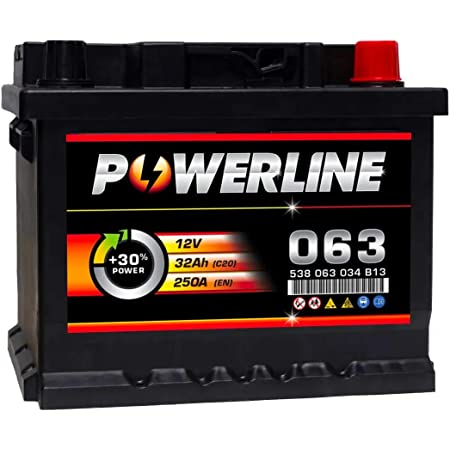
Battery import from China to UK has grown significantly in recent years, driven by increasing demand for consumer electronics, electric vehicles (EVs), renewable energy storage systems, and industrial equipment. China remains the world’s largest battery manufacturer, producing lithium-ion, lead-acid, and other advanced battery technologies at scale.
For UK importers, sourcing batteries from China can be cost-effective and commercially viable. However, the process involves strict regulatory compliance, safety checks, and logistics planning. This guide explains everything businesses need to know about importing batteries into the UK—and how Wigmore Trading can help streamline the process.
Why Import Batteries from China to the UK?
China dominates global battery manufacturing due to its established supply chains, advanced production facilities, and competitive pricing. UK businesses across multiple sectors benefit from importing batteries from Chinese suppliers.
1. Competitive Pricing and Large-Scale Production
Chinese battery manufacturers operate at significant scale, which reduces production costs. This allows UK importers to source products such as lithium-ion batteries, EV battery packs, and rechargeable batteries at competitive prices while maintaining acceptable margins.
2. Wide Product Range
China produces various battery types, including:
-
Lithium-ion batteries – commonly used in electronics, e-bikes, and electric vehicles due to high energy density and long lifecycle.
-
Lead-acid batteries – often used in automotive and backup power systems because of reliability and lower upfront cost.
-
Nickel-metal hydride (NiMH) batteries – used in hybrid vehicles and certain consumer products.
-
Energy storage system (ESS) batteries – supporting solar and renewable energy installations.
This wide product availability makes China a strategic sourcing hub for UK wholesalers, distributors, and import/export companies.
Key Regulations for Battery Import from China to UK
Importing batteries into the UK requires compliance with safety, environmental, and transport regulations. Failure to comply can result in shipment delays, fines, or confiscation.
1. UKCA and CE Marking
Most batteries must meet UK product safety standards. Depending on the product type and intended market, batteries may require UKCA marking (for Great Britain) or CE marking (for Northern Ireland and certain cases). This confirms compliance with relevant safety and environmental directives.
2. UN38.3 Certification for Lithium Batteries
Lithium-ion batteries are classified as dangerous goods. They must pass UN38.3 testing to ensure they can withstand transport conditions such as vibration, shock, and temperature changes.
Without proper certification, carriers may refuse shipment.
3. Waste Battery Regulations
The UK has strict waste battery and recycling regulations. Importers may be responsible for:
-
Registering as a battery producer
-
Financing battery collection and recycling schemes
-
Labelling batteries with appropriate disposal symbols
Understanding extended producer responsibility (EPR) requirements is critical for compliance.
4. Dangerous Goods Shipping Regulations
Lithium batteries fall under International Maritime Dangerous Goods (IMDG) Code for sea freight and IATA Dangerous Goods Regulations for air freight. Proper packaging, documentation, and labelling are mandatory to avoid safety risks.
Wigmore Trading works with experienced logistics partners to ensure full compliance with UK import regulations and hazardous goods standards.
Shipping and Logistics Considerations
Choosing the right logistics method is essential when importing batteries from China to the UK.
Sea Freight
Sea freight is cost-effective for large shipments. However, transit times are longer, and hazardous goods documentation must be carefully prepared.
Air Freight
Air freight is faster but more expensive. Strict packaging and quantity limitations apply for lithium batteries transported by air.
Customs Clearance
Customs clearance requires:
-
Correct HS code classification
-
Commercial invoice and packing list
-
Bill of lading or airway bill
-
Import duty and VAT payments
Incorrect documentation can delay clearance at UK ports.
Wigmore Trading assists importers with documentation management, supplier coordination, and freight forwarding to reduce risks and delays.
Common Challenges When Importing Batteries
While battery import from China to UK offers strong commercial potential, businesses often face operational challenges.
1. Quality Control Issues
Not all manufacturers meet international safety standards. Without factory audits or pre-shipment inspections, importers risk receiving substandard products.
Solution: Conduct third-party quality inspections before shipment. Wigmore Trading can support supplier verification and quality control checks to ensure compliance.
2. Regulatory Non-Compliance
Missing certifications such as UN38.3 or incorrect labelling can lead to customs seizures.
Solution: Work with experienced import specialists who understand UK battery regulations and dangerous goods requirements.
3. Shipping Restrictions
Lithium batteries are tightly regulated in transit. Some carriers limit quantities or refuse improperly packed shipments.
Solution: Use freight partners experienced in hazardous goods logistics. Proper packaging and documentation prevent costly delays.
Cost Factors in Battery Import from China to UK
Understanding the total landed cost is essential for profitability. Key cost components include:
-
Product cost from manufacturer
-
Freight charges (sea or air)
-
Insurance
-
Import duties and VAT
-
Customs brokerage fees
-
Compliance and certification costs
Careful supplier negotiation and efficient logistics planning can significantly reduce overall costs.
Wigmore Trading helps UK businesses calculate accurate landed costs and develop cost-effective sourcing strategies.
Best Practices for Successful Battery Import
To ensure a smooth and compliant battery import process, businesses should:
-
Vet Suppliers Thoroughly
Confirm business licenses, certifications, and production capabilities before placing orders. -
Verify Compliance Documentation
Always request UN38.3 reports, MSDS documents, and safety certifications. -
Plan Logistics Early
Coordinate freight bookings in advance, particularly during peak shipping seasons. -
Understand UK Environmental Obligations
Register for waste battery compliance schemes if required. -
Partner with an Experienced Import Specialist
Working with an established sourcing and logistics partner reduces risk and improves efficiency.
Wigmore Trading can help manage supplier sourcing, compliance verification, logistics coordination, and customs clearance—allowing businesses to focus on growth.
How Wigmore Trading Supports Battery Importers
Wigmore Trading provides tailored import/export and wholesale distribution solutions for UK businesses sourcing from China.
Our services include:
-
Supplier identification and verification
-
Contract negotiation support
-
Quality assurance inspections
-
Freight and hazardous goods logistics coordination
-
Customs clearance assistance
-
End-to-end supply chain management
Whether you are importing lithium-ion batteries for electric vehicles, energy storage systems, or consumer electronics, Wigmore Trading can help simplify the process while ensuring regulatory compliance.
Conclusion
Battery import from China to UK presents strong opportunities for wholesalers, distributors, and businesses operating in renewable energy, automotive, electronics, and FMCG sectors. However, the process requires careful attention to safety standards, shipping regulations, and environmental compliance.
By working with experienced sourcing and logistics specialists, businesses can reduce risks, control costs, and maintain consistent supply.
Wigmore Trading can help.
Get in touch with our team to learn more.
Contact Wigmore Trading today to streamline your sourcing.






Comments are closed.