
How to Succeed with EV Parts Import from China to UK

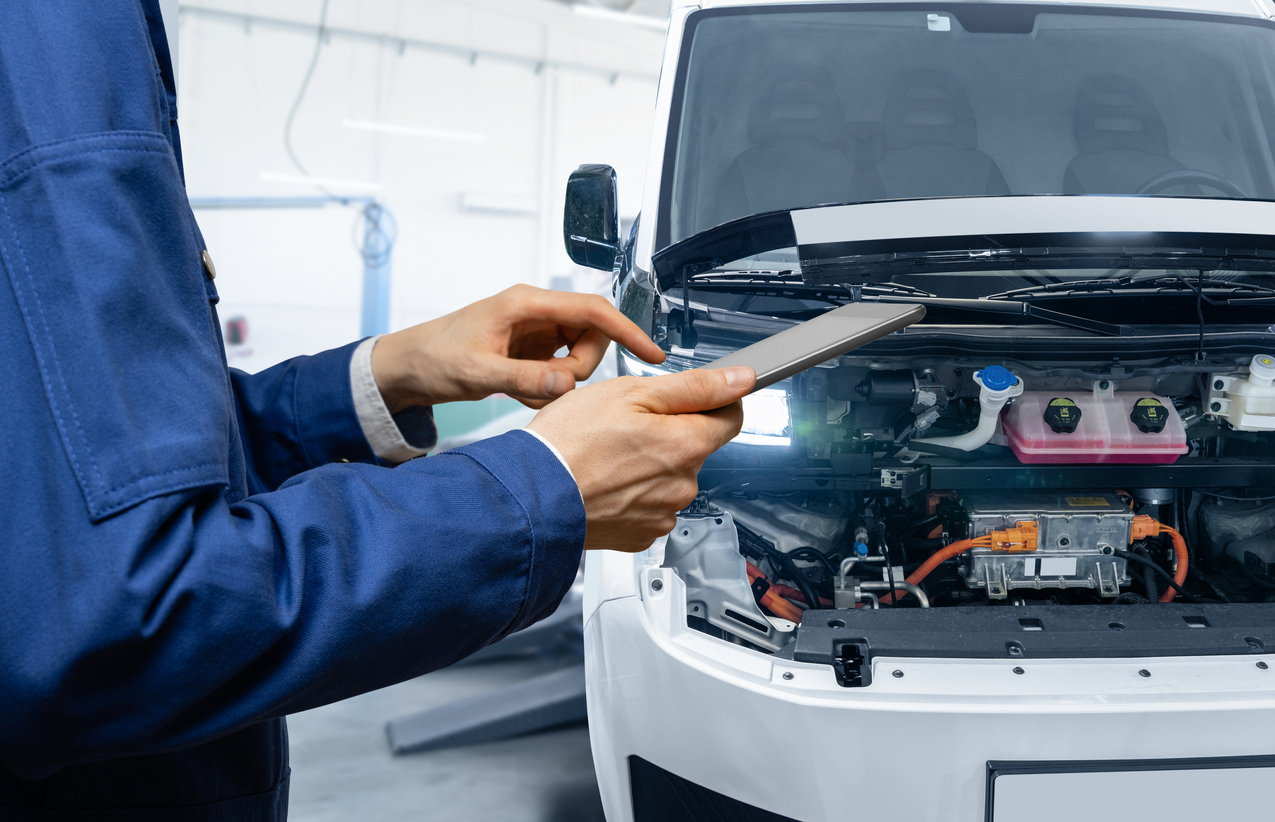
The demand for electric vehicles (EVs) in the UK is accelerating as businesses and consumers transition toward cleaner mobility solutions. As a result, EV parts import from China from UK has become a strategic sourcing route for distributors, wholesalers, automotive workshops, and EV infrastructure providers.
China remains a global leader in electric vehicle components, offering competitive pricing, advanced manufacturing capabilities, and a broad supplier base. For UK-based importers, understanding how to source, import, and distribute EV components efficiently is essential for maintaining profitability and compliance.
This guide explains how EV parts import from China works, what to consider, and how businesses can streamline the process.
Why Import EV Parts from China to the UK?
China dominates the global EV supply chain, producing a significant share of batteries, motors, charging systems, and electronic components used in electric vehicles worldwide.
1. Competitive Manufacturing Costs
Chinese suppliers benefit from large-scale production and established EV ecosystems. This often translates into lower unit costs for UK importers, particularly when sourcing in bulk for wholesale distribution.
2. Broad Product Range
From battery management systems to charging connectors, Chinese manufacturers supply:
-
Lithium-ion battery packs
-
EV motors and controllers
-
On-board chargers
-
DC fast charging components
-
Power inverters
-
EV wiring harnesses
This variety allows UK businesses to consolidate sourcing from fewer suppliers, reducing complexity in their supply chain.
3. Advanced EV Technology
China’s domestic EV market is one of the largest in the world. Continuous innovation means many suppliers offer updated designs and components aligned with global automotive standards.
For UK importers serving repair shops, fleet operators, and EV charging infrastructure providers, access to this technology can be a competitive advantage.
Key EV Parts Commonly Imported from China to the UK
When handling EV parts import from China from UK, businesses typically focus on high-demand components within the EV aftermarket and OEM supply chain.
EV Batteries and Battery Modules
Battery packs are among the most valuable EV components. Importers must ensure compliance with UK battery regulations, including safety and transport rules for lithium-ion products.
Electric Motors and Controllers
These components are critical for performance and energy efficiency. UK buyers should verify certifications and compatibility with local vehicle standards.
Charging Equipment and Connectors
With growing EV infrastructure in the UK, demand for charging cables, connectors (Type 2, CCS), and charging station parts continues to rise. Compliance with UK electrical safety standards is essential.
Electronic Control Units (ECUs) and BMS
Battery Management Systems (BMS) and electronic modules require careful supplier vetting due to their technical complexity and safety implications.
Regulatory Requirements for EV Parts Import from China from UK
Importing EV components into the UK requires strict compliance with customs, safety, and environmental regulations.
UK Customs and Duties
Importers must classify EV parts correctly using the appropriate HS codes. Duties and VAT will apply depending on the product category and trade agreements in place.
Working with experienced freight forwarders and customs brokers ensures smooth clearance and avoids costly delays.
UKCA and CE Marking
Many EV electrical components must meet UKCA or CE marking requirements. This ensures products comply with UK safety and performance standards.
Importers should request:
-
Test reports
-
Certificates of conformity
-
Technical documentation
Without proper certification, shipments risk rejection at the border.
Dangerous Goods Regulations
Lithium-ion batteries are classified as dangerous goods. Shipping them requires:
-
Proper packaging
-
UN certification
-
Correct documentation
Failure to comply can lead to shipment delays or fines.
Logistics and Freight Considerations
Efficient logistics are crucial in EV parts import from China from UK.
Sea Freight vs Air Freight
Sea freight is cost-effective for bulk shipments such as battery modules and motors. Air freight may be suitable for urgent or smaller, high-value components but involves higher costs and stricter battery transport rules.
Lead Times
Manufacturing and shipping can take several weeks. Importers should forecast demand carefully to avoid stock shortages, especially given the rapid growth of the UK EV market.
Warehousing and Distribution
Once goods arrive in the UK, proper storage—particularly for batteries—is essential. Temperature control and safety compliance reduce risk and maintain product integrity.
Wigmore Trading can help coordinate freight forwarding, customs clearance, and warehousing solutions to ensure efficient distribution across the UK.
Managing Supplier Risk When Importing EV Parts from China
Sourcing EV components involves technical and regulatory risk. To mitigate this:
Conduct Supplier Due Diligence
Verify manufacturing capabilities, request samples, and confirm quality control processes. Factory audits or third-party inspections provide additional assurance.
Secure Clear Contracts
Agreements should define:
-
Product specifications
-
Certification requirements
-
Payment terms
-
Delivery timelines
Clear documentation protects UK importers from quality disputes.
Quality Control and Testing
Before large-scale distribution, imported EV parts should undergo local testing to ensure compatibility with UK systems and standards.
Wigmore Trading supports UK businesses by facilitating supplier vetting, quality checks, and structured procurement processes that reduce sourcing risk.
Market Opportunities in the UK EV Sector
The UK government’s push toward electrification presents strong commercial opportunities for:
-
Automotive spare parts distributors
-
EV repair workshops
-
Fleet operators
-
Charging infrastructure providers
-
Renewable energy companies integrating EV charging
Businesses that establish reliable EV parts import channels from China can position themselves competitively within this growing sector.
However, success depends on combining cost-effective sourcing with regulatory compliance and efficient logistics.
How Wigmore Trading Supports EV Parts Import from China from UK
Navigating international sourcing, freight management, and UK compliance requirements can be complex—especially for technical products like EV components.
Wigmore Trading can help by:
-
Assisting with supplier sourcing and verification in China
-
Managing freight and customs clearance into the UK
-
Supporting documentation and compliance processes
-
Coordinating storage and onward distribution
By working with an experienced import and distribution partner, businesses can reduce risk while focusing on expanding their EV product offerings.
Conclusion
EV parts import from China from UK presents significant opportunities for automotive distributors, wholesalers, and infrastructure providers. With China’s strong manufacturing ecosystem and the UK’s expanding EV market, strategic sourcing can drive cost savings and supply chain resilience.
However, success depends on compliance, supplier verification, and reliable logistics management. Businesses that approach EV component importation with a structured plan will be best positioned to capitalise on market growth.
Wigmore Trading can help.
Get in touch with our team to learn more, or contact Wigmore Trading today to streamline your sourcing.






Comments are closed.