
How to Successfully Import Industrial Equipment from China to the UK: A Practical Business Guide

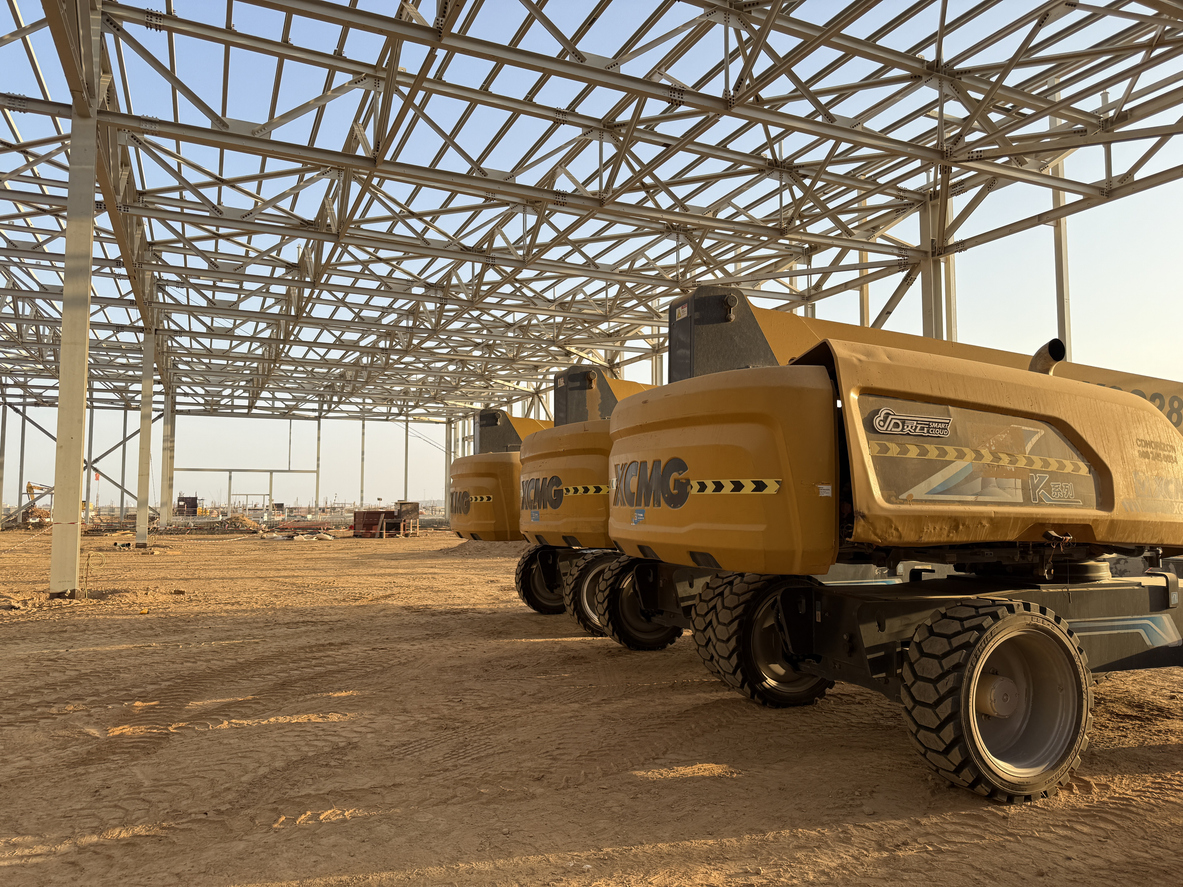
Industrial equipment import from China to UK has become a strategic sourcing solution for manufacturers, construction firms, engineering companies, and wholesale distributors. China remains one of the world’s largest producers of machinery and heavy equipment, offering competitive pricing and wide product availability.
However, importing industrial machinery into the UK involves more than simply placing an order overseas. Compliance, logistics planning, customs clearance, and supplier verification are all critical to ensuring smooth and profitable trade.
This guide explains how UK businesses can successfully manage industrial equipment imports from China while reducing risk and improving efficiency.
Why Import Industrial Equipment from China to the UK?
China’s industrial manufacturing sector produces a wide range of equipment including construction machinery, manufacturing tools, generators, agricultural machinery, processing equipment, and automation systems.
The primary reasons UK businesses source machinery from China include:
Cost efficiency
Chinese manufacturers often offer competitive unit prices due to economies of scale and established supply chains. For UK importers, this can improve margins when distributing or deploying equipment locally.
Product variety and customization
Chinese suppliers frequently provide custom-built industrial machinery tailored to specific operational requirements. This is particularly valuable for UK construction firms, factories, and specialist engineering operations.
Scalability
For wholesale distributors and infrastructure projects, sourcing in bulk from China allows consistent supply and production capacity.
That said, cost advantages only materialize when the import process is managed correctly.
Key Compliance Requirements for Importing Machinery into the UK
When handling industrial equipment import from China to UK, regulatory compliance is essential. Failure to meet UK standards can result in customs delays, fines, or rejected shipments.
UKCA and CE Marking
Most industrial machinery imported into the UK must comply with UK safety standards. Equipment may require UKCA marking (or CE marking, depending on current regulations and applicable sectors). This confirms the product meets safety, health, and environmental requirements.
Technical Documentation
Importers must ensure suppliers provide technical files, user manuals in English, and risk assessments. Proper documentation is crucial for customs clearance and legal compliance.
Customs Classification and HS Codes
Industrial equipment must be correctly classified using the appropriate HS code. Incorrect classification can lead to overpayment of duties or shipment delays.
Wigmore Trading supports UK businesses in navigating these compliance requirements, ensuring that machinery imports meet UK regulations before shipment.
Logistics and Freight Considerations
Shipping heavy industrial machinery from China to the UK requires careful freight planning. The choice between sea freight and air freight depends on cost, urgency, and equipment size.
Sea Freight for Heavy Equipment
Most industrial equipment imports from China to the UK move via sea freight due to cost efficiency. Full Container Load (FCL) shipping is common for large machinery, while Less than Container Load (LCL) can be used for smaller consignments.
Freight Forwarding and Port Handling
Managing port operations, container unloading, and inland transportation within the UK requires coordination. Delays at UK ports can disrupt project timelines and increase storage fees.
Partnering with an experienced import-export company like Wigmore Trading helps streamline freight forwarding, customs brokerage, and final-mile delivery.
Managing Supplier Risk in China
One of the biggest challenges in industrial equipment import from China to UK is ensuring supplier reliability and product quality.
Supplier Verification
Before placing large machinery orders, UK importers should verify business licenses, factory certifications, and production capacity. Factory audits and product inspections reduce the risk of receiving substandard equipment.
Quality Control Inspections
Pre-shipment inspections confirm that machinery meets technical specifications and safety standards. This is particularly important for complex industrial equipment where defects can be costly.
Clear Payment Terms
Using secure payment structures such as Letters of Credit or staged payments tied to inspection milestones helps mitigate financial risk.
Wigmore Trading assists businesses with supplier sourcing, verification, and quality control processes to protect investments in imported machinery.
Understanding Import Duties and VAT
Industrial equipment imported into the UK is subject to customs duties and VAT. The exact rate depends on the product classification and trade agreements in place.
Importers must also account for:
-
Freight costs
-
Insurance
-
Port handling charges
-
Customs clearance fees
Accurate landed cost calculation ensures pricing remains competitive while protecting profit margins. Working with an experienced trade partner simplifies cost forecasting and avoids unexpected charges.
How Wigmore Trading Supports Industrial Equipment Imports
Importing industrial machinery from China can be complex, particularly for UK SMEs and first-time importers. Wigmore Trading provides structured support across the entire supply chain, including:
-
Supplier sourcing and negotiation
-
Compliance verification and documentation review
-
Freight forwarding and customs clearance
-
Warehousing and distribution within the UK
By offering end-to-end trade solutions, Wigmore Trading helps businesses reduce risk, improve efficiency, and ensure machinery arrives on time and compliant with UK regulations.
If your company is considering industrial equipment import from China to UK, having the right partner can make the difference between costly delays and a seamless operation.
Final Thoughts
Industrial equipment import from China to UK offers significant opportunities for cost savings and operational scalability. However, success depends on compliance management, reliable supplier sourcing, accurate customs documentation, and efficient logistics planning.
With the right processes and professional support, UK businesses can confidently expand their sourcing strategies and strengthen their supply chains.
Wigmore Trading can help.
Contact Wigmore Trading today to streamline your sourcing and ensure smooth industrial machinery imports from China.






Comments are closed.