

The Smart Importer’s Guide to Textile Import from China to UK

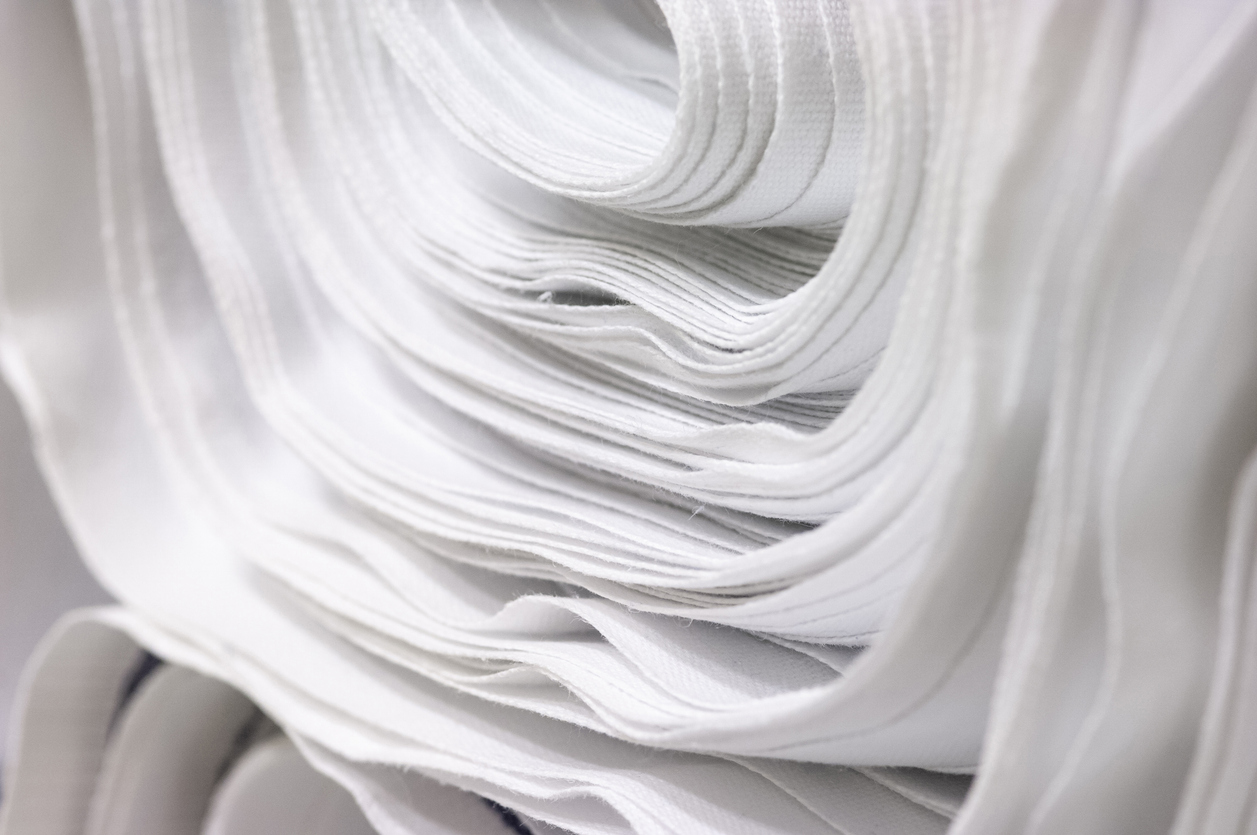
The UK textile market continues to rely heavily on global supply chains, with China remaining one of the most significant sourcing destinations. For wholesalers, retailers, manufacturers, and private-label brands, textile import from China to UK offers competitive pricing, large production capacity, and access to diverse fabric types.
However, importing textiles involves more than negotiating price. It requires careful supplier selection, regulatory compliance, logistics planning, and customs management. This guide explains how UK businesses can manage textile imports effectively and minimise risk.
Why Textile Import from China to UK Remains Attractive
China has built a highly developed textile ecosystem. From raw fibre processing to finished garments and technical fabrics, the country offers integrated production capabilities that reduce costs and shorten production cycles.
UK importers benefit from:
-
Competitive manufacturing costs due to economies of scale
-
Wide product variety, including cotton, polyester, blends, denim, knitwear, and technical textiles
-
Advanced machinery and high production volumes
-
Established export experience and documentation standards
For businesses in wholesale distribution, fashion retail, or manufacturing, these advantages can support consistent supply and improved margins when managed properly.
Understanding UK Import Regulations for Textiles
When managing textile import from China to UK, compliance is critical. Post-Brexit, all goods entering the UK must follow UK customs and trade regulations.
Key requirements include correct product classification under the UK Global Tariff (UKGT). Textile products fall under specific HS codes depending on fabric composition and intended use. Incorrect classification can result in delays or penalties.
Importers must also consider:
-
Customs declarations submitted via the UK’s Customs Declaration Service (CDS)
-
Payment of import duties and VAT
-
Rules of origin documentation
-
Safety and labelling requirements, including fibre composition labels
Textile products must comply with UK consumer protection standards. For certain products, chemical safety regulations such as REACH may apply, particularly where dyes or treatments are involved.
Working with an experienced import partner such as Wigmore Trading can help ensure documentation, classification, and compliance are handled correctly from origin to destination.
Supplier Selection and Quality Control in China
Successful textile import from China to UK starts with reliable suppliers. China’s textile industry ranges from large, certified factories to smaller subcontractors, so due diligence is essential.
UK importers should assess:
-
Factory certifications (such as ISO or OEKO-TEX where relevant)
-
Production capacity and lead times
-
Sample quality and consistency
-
Clear contract terms and product specifications
Quality control inspections before shipment are highly recommended. Fabric composition, colour fastness, shrinkage levels, and stitching standards should be verified against agreed specifications. Independent inspection services can reduce the risk of receiving substandard goods.
Wigmore Trading supports businesses with supplier verification, factory coordination, and quality assurance processes, helping reduce sourcing risks.
Logistics and Shipping Options for Textile Imports
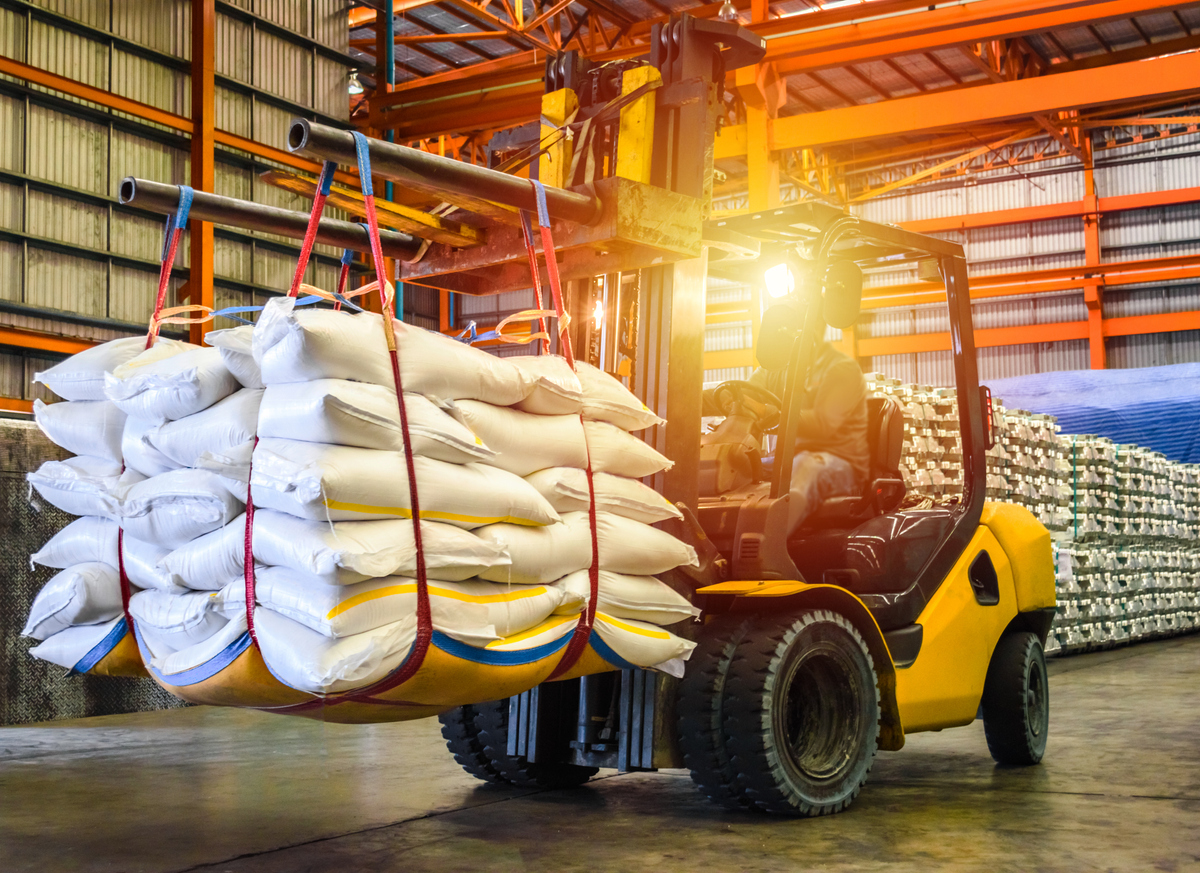
Textile shipments are typically transported by sea freight due to cost efficiency, particularly for bulk orders. Full Container Load (FCL) shipments are common for larger consignments, while Less than Container Load (LCL) may suit smaller businesses or trial orders.
Air freight may be used for urgent shipments, though it significantly increases landed costs.
When planning textile import from China to UK, businesses should consider:
-
Transit times from major Chinese ports to UK ports
-
Container consolidation strategies
-
Freight insurance coverage
-
Incoterms agreements (such as FOB or CIF)
Proper packaging is also important. Textiles must be protected against moisture and contamination during long sea journeys. Delays at ports can occur during peak seasons, so forward planning is essential.
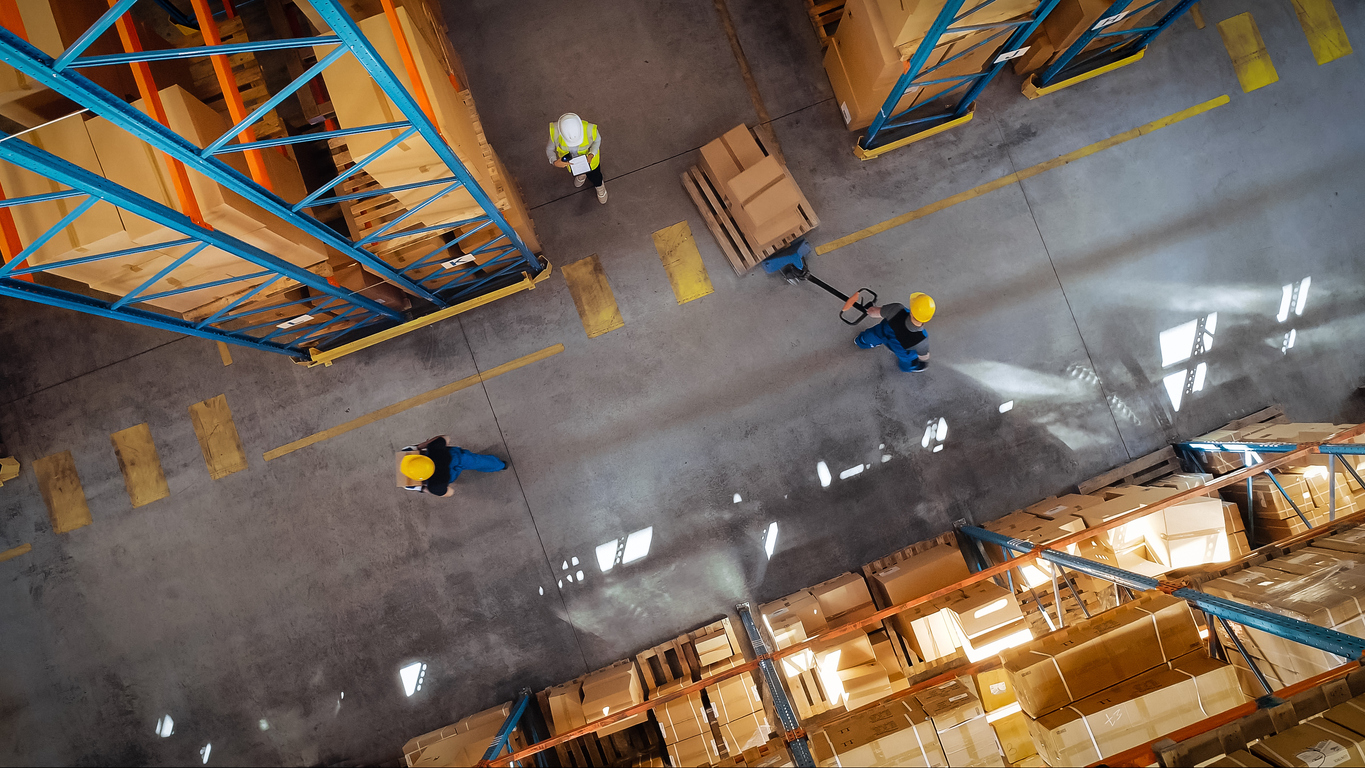
An experienced logistics partner can manage freight booking, customs clearance, warehousing, and inland distribution within the UK, ensuring a smooth supply chain.
Managing Costs and Import Duties
While Chinese textiles may offer competitive factory prices, the total landed cost must be calculated carefully. This includes:
-
Product cost
-
Freight charges
-
Insurance
-
Import duty
-
VAT
-
Customs clearance fees
Duty rates vary depending on the textile category and fibre composition. Accurate tariff classification is therefore crucial for cost forecasting.
Currency fluctuations between GBP and RMB or USD can also impact profitability. Businesses may consider negotiating contracts in stable currencies or using hedging strategies to manage exchange rate risk.
Wigmore Trading works with UK importers to model landed costs and optimise supply chain strategies, ensuring financial planning aligns with operational goals.
Sustainability and Ethical Considerations
Sustainability has become increasingly important in the UK textile sector. Retailers and consumers are paying closer attention to ethical sourcing and environmental standards.
When organising textile import from China to UK, businesses should assess:
-
Environmental compliance of factories
-
Responsible chemical use
-
Waste management practices
-
Labour standards
Certifications such as OEKO-TEX, GOTS (for organic textiles), or BSCI can help demonstrate compliance with international standards. Transparent sourcing strengthens brand reputation and reduces regulatory risk.
Wigmore Trading assists clients in identifying compliant manufacturers and implementing responsible sourcing frameworks.
Risk Management in Textile Import from China to UK
International trade carries inherent risks, including shipping delays, quality disputes, regulatory changes, and geopolitical shifts. A structured risk management approach improves resilience.
Clear contracts, defined payment terms, inspection procedures, and freight insurance all help mitigate exposure. Diversifying suppliers and maintaining buffer stock can also protect against disruption.
By working with an experienced trading and logistics partner, UK businesses can reduce uncertainty and maintain continuity of supply.
Conclusion
Textile import from China to UK remains a strategic option for wholesalers, retailers, and manufacturers seeking competitive pricing and scalable production. However, success depends on careful supplier selection, regulatory compliance, cost management, and reliable logistics coordination.
With the right processes in place, importing textiles can strengthen margins and secure consistent product availability in the UK market. Wigmore Trading can help.
Contact Wigmore Trading today to streamline your sourcing.



Comments are closed.