

Planning a Successful Container Import from China to UK

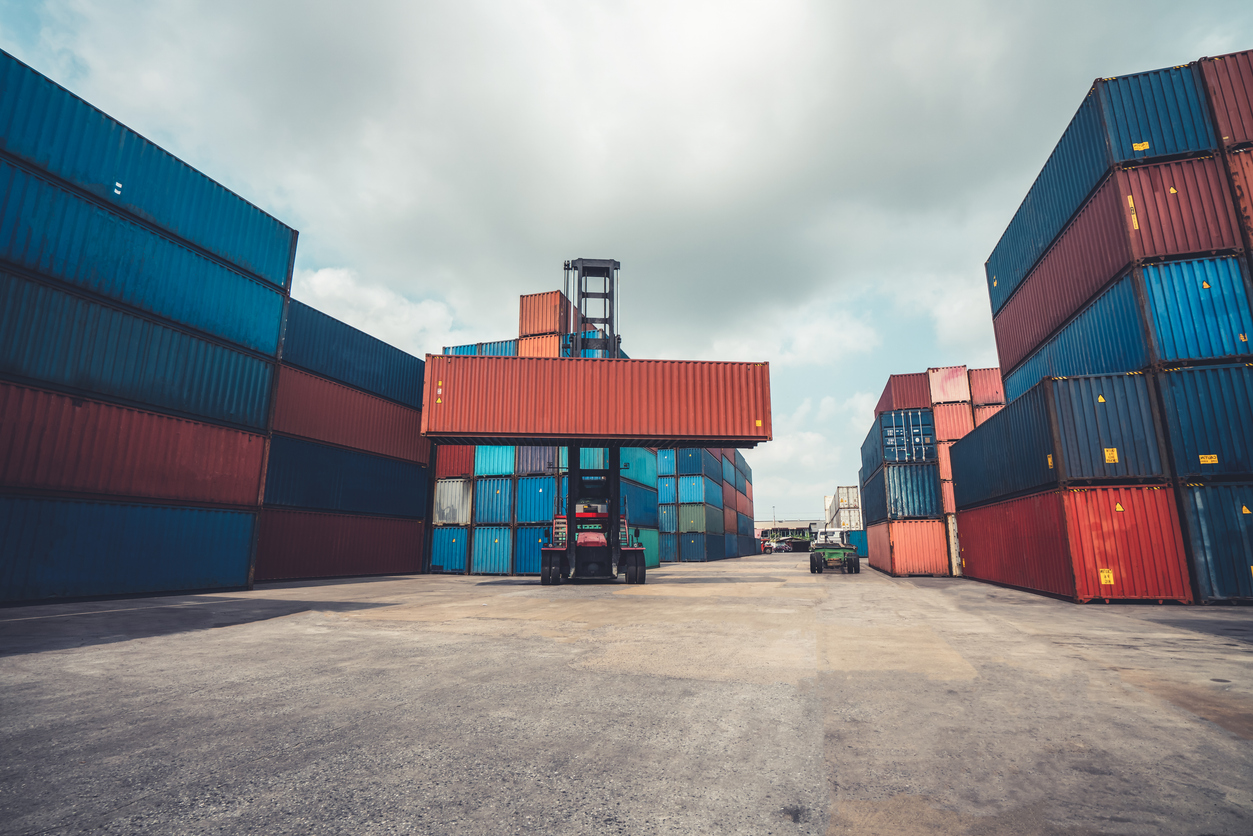
International trade between China and the United Kingdom continues to play a vital role in global supply chains. For many UK businesses, arranging a container import from China to UK is a core part of sourcing goods competitively, particularly across sectors such as FMCG, wholesale distribution, retail, manufacturing, and e-commerce.
However, importing a full container load (FCL) or less-than-container load (LCL) shipment involves more than simply booking freight. Businesses must understand logistics planning, customs compliance, documentation, shipping timelines, and cost control. With the right approach and experienced support, container imports can be structured efficiently and profitably.
Understanding Container Import from China to UK
A container import from China to UK typically involves sea freight, which remains the most cost-effective method for transporting large volumes of goods. Containers are usually shipped from major Chinese ports such as Shanghai, Shenzhen, Ningbo, or Qingdao to UK ports including Felixstowe, Southampton, or London Gateway.
There are two primary shipping options:
-
Full Container Load (FCL) – The importer books an entire 20ft or 40ft container. This is suitable for large shipments and offers better cost efficiency per unit.
-
Less than Container Load (LCL) – Multiple shippers share container space. This is ideal for smaller consignments but may involve slightly longer handling times.
Transit time typically ranges from 30 to 40 days depending on the port pair, route congestion, and seasonal demand. Planning inventory around these timelines is essential, particularly for businesses in fast-moving consumer goods or seasonal retail markets.
Key Stages in the Container Import Process
Importing from China involves several structured steps. While the process is straightforward in principle, errors in documentation or compliance can result in costly delays.
Supplier Verification and Contract Terms
Before shipping begins, businesses must ensure their Chinese supplier is legitimate and compliant. Clear contracts should define Incoterms (such as FOB, CIF, or DDP), payment terms, packaging standards, and quality requirements.
Choosing the correct Incoterm determines who is responsible for freight costs, insurance, and risk at each stage of transit. Many UK importers use FOB (Free On Board), where the supplier handles export clearance in China, and the UK buyer arranges the main freight and import procedures.
Freight Booking and Container Loading
Once goods are ready, freight forwarders arrange container booking with shipping lines. Proper container loading is critical to avoid cargo damage and ensure weight distribution compliance.
For businesses importing fragile or regulated goods, additional considerations such as palletisation standards, fumigation certificates, or export documentation may apply.
UK Customs Clearance and Duties
When the shipment arrives in the UK, customs clearance is required. Importers must submit:
-
Commercial invoice
-
Packing list
-
Bill of lading
-
Import declarations
-
Commodity (HS) codes
Duties and VAT are calculated based on the goods’ classification and value. Errors in HS codes can result in incorrect duty payments or penalties, so accuracy is essential.
An experienced trade partner can manage customs brokerage and ensure compliance with HMRC regulations, reducing the risk of delays or unexpected costs.
Costs Involved in Container Import from China to UK
The total landed cost of a container import from China to UK includes several components beyond the basic freight rate.
Ocean freight fluctuates depending on global shipping demand, fuel prices, and port congestion. Additional charges may include:
-
Port handling fees
-
Customs clearance charges
-
Import duties and VAT
-
Inland haulage from UK port to warehouse
-
Insurance
Understanding the full cost structure allows businesses to calculate accurate product margins. Many importers underestimate inland logistics or customs charges, which can significantly affect profitability.
Working with a trading and logistics partner such as Wigmore Trading helps businesses obtain transparent cost breakdowns and plan imports strategically.
Common Challenges in Container Shipping
While containerised shipping is efficient, businesses often encounter operational challenges.
Port congestion can extend transit times unexpectedly, particularly during peak trading seasons. Regulatory updates, such as post-Brexit customs requirements, also require careful documentation and compliance checks.
Currency fluctuations between GBP and USD can impact freight and supplier payments. Additionally, poor coordination between suppliers, freight agents, and customs brokers can lead to container demurrage or storage fees.
Proactive communication, accurate paperwork, and strong supply chain coordination are essential to avoid these issues.
How Wigmore Trading Supports Container Imports
Managing a container import from China to UK requires coordination across sourcing, logistics, compliance, and distribution. Wigmore Trading supports businesses at every stage of this process.
From supplier sourcing and verification in China to freight forwarding and customs clearance in the UK, Wigmore Trading helps streamline international shipments. The company’s experience in wholesale distribution, FMCG, and cross-border trade ensures goods are moved efficiently and in full regulatory compliance.
For businesses importing large volumes, Wigmore Trading can also assist with inventory management, warehousing solutions, and onward distribution across the UK and Africa. This integrated approach reduces fragmentation in the supply chain and improves cost control.
Rather than treating shipping as a standalone transaction, successful importers build long-term logistics strategies that align procurement, transportation, and market distribution.
Planning for Long-Term Import Success
Businesses relying on imports from China must take a strategic view. Forecasting demand accurately, negotiating freight contracts in advance, and building buffer stock for seasonal spikes all contribute to supply chain resilience.
Digital tracking systems, clear supplier communication, and reliable freight partners reduce uncertainty. Importers who actively manage compliance and documentation also minimise risk of delays at UK ports.
As trade conditions continue to evolve, having an experienced partner with knowledge of both UK and international trade regulations becomes increasingly valuable.
Conclusion
A container import from China to UK remains one of the most efficient ways for UK businesses to source goods at scale. While the process involves careful planning around freight, customs, duties, and logistics, it can deliver strong cost advantages when managed correctly.
By combining supplier due diligence, accurate documentation, and coordinated freight management, businesses can reduce delays and protect margins. Wigmore Trading can help streamline your sourcing and container import operations.
Contact Wigmore Trading today to strengthen your international supply chain.






Comments are closed.