
Book Reliable Sea Freight from China to Lagos Today

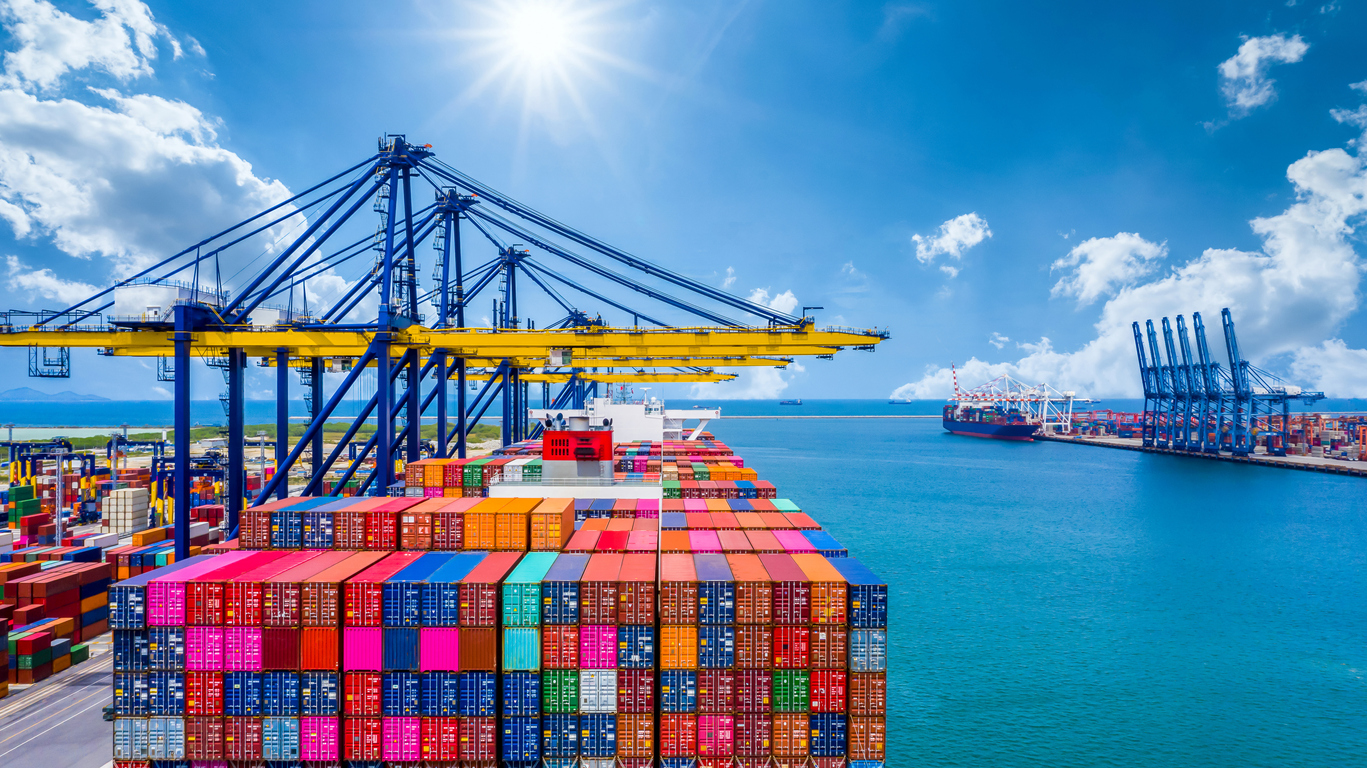
Sea freight from China to Lagos remains one of the most cost-effective and reliable shipping methods for businesses importing goods into Nigeria. As trade between China and Africa continues to expand, many Nigerian importers rely on ocean freight to move everything from machinery and electronics to FMCG products and building materials.
Understanding how sea freight works, what costs are involved, and how to manage customs clearance in Lagos is essential for smooth import operations. With the right planning and logistics support, businesses can reduce delays, control costs, and maintain steady supply chains.
Why Choose Sea Freight from China to Lagos?
For large or heavy cargo, sea freight is significantly more economical than air freight. While air shipping offers speed, it is often impractical for bulk shipments due to high costs. Ocean freight allows importers to transport full container loads (FCL) or share container space through less-than-container load (LCL) services.
China’s major export ports—such as Shanghai, Ningbo, Shenzhen, and Guangzhou—are well connected to West Africa through established shipping routes. Lagos, through Apapa Port and Tin Can Island Port, serves as Nigeria’s primary maritime gateway.
Sea freight from China to Lagos is particularly suitable for:
-
Wholesale and bulk inventory shipments
-
Industrial equipment and machinery
-
Building materials
-
Consumer electronics and household goods
-
FMCG products for distribution
For businesses importing regularly, sea freight offers predictability in pricing and capacity, especially when planned in advance.
Shipping Options: FCL vs LCL
When arranging sea freight from China to Lagos, importers must decide between Full Container Load (FCL) and Less than Container Load (LCL).
FCL is ideal when a shipment can fill a 20-foot or 40-foot container. It provides better security, faster handling, and often lower per-unit shipping costs for large volumes. It also reduces the risk of cargo damage because goods are not mixed with other shipments.
LCL is suitable for smaller consignments. Cargo from multiple importers is consolidated into one container, allowing businesses to ship smaller quantities without paying for unused space. However, LCL shipments may involve longer transit and handling times due to consolidation and deconsolidation processes.
Selecting the right option depends on shipment size, budget, and delivery timeline.
Transit Time for Sea Freight from China to Lagos
Transit times vary depending on the port of origin and shipping line, but sea freight from China to Lagos typically takes between 30 and 45 days port-to-port.
Several factors influence delivery timelines:
-
Port congestion in Lagos
-
Customs clearance procedures
-
Transshipment routes
-
Seasonal shipping demand
Importers should also factor in inland transportation within China and final delivery arrangements within Nigeria. Proper planning helps avoid stock shortages and unexpected storage charges at the port.
Cost Components of Sea Freight from China to Lagos
Shipping costs are not limited to ocean freight charges alone. A clear understanding of all cost elements is critical for accurate budgeting.
Key cost components usually include:
-
Ocean freight charges
-
Origin port handling fees in China
-
Destination port charges in Lagos
-
Customs duties and taxes
-
Documentation fees
-
Inland transportation and delivery
-
Terminal handling charges
Freight rates fluctuate based on fuel prices, container availability, and global trade patterns. During peak seasons, such as before major holidays, rates may increase significantly.
Working with an experienced freight forwarder helps businesses obtain competitive rates and avoid hidden charges.
Customs Clearance in Lagos
Clearing goods at Apapa or Tin Can Island Port requires strict compliance with Nigerian import regulations. Documentation errors or valuation discrepancies can cause costly delays.
Typical required documents include:
-
Bill of Lading
-
Commercial Invoice
-
Packing List
-
Form M
-
Pre-Arrival Assessment Report (PAAR)
-
SONCAP certification (where applicable)
Nigeria Customs Service enforces detailed compliance procedures. Importers must ensure accurate HS code classification and proper duty calculation to prevent disputes.
Professional logistics partners can manage documentation, duty payments, and coordination with clearing agents to streamline the process.
Common Challenges in Sea Freight from China to Lagos
Although sea freight is cost-effective, importers often face operational challenges.
Port congestion in Lagos can extend clearance times, especially during high-volume periods. Inconsistent documentation from suppliers may also lead to shipment holds. Additionally, fluctuating freight rates and container shortages can disrupt supply chain planning.
Another common issue is poor coordination between suppliers, freight forwarders, and clearing agents. Miscommunication at any stage can result in demurrage or storage fees.
To mitigate these risks, businesses should implement structured shipping timelines, verify supplier documentation early, and work with experienced logistics providers who understand both Chinese export procedures and Nigerian import regulations.
Managing Risk and Improving Efficiency
Efficient sea freight from China to Lagos requires more than booking container space. It involves coordinated sourcing, freight management, compliance monitoring, and final-mile distribution.
Businesses can improve efficiency by:
-
Planning shipments around demand forecasts
-
Consolidating orders to maximize container usage
-
Verifying supplier export readiness
-
Tracking shipments proactively
-
Preparing customs documentation before vessel arrival
A structured logistics strategy reduces unexpected costs and strengthens overall supply chain resilience.
The Role of Reliable Logistics Partners
Managing international freight independently can be complex, particularly for growing importers. A reliable trade partner can oversee supplier coordination in China, arrange ocean freight bookings, monitor cargo movement, and manage customs clearance in Lagos.
Wigmore Trading supports businesses with sourcing, freight coordination, and import management across key trade corridors, including China to Nigeria routes. By combining supplier oversight with logistics expertise, companies can reduce operational risk and maintain consistent inventory flow.
Rather than navigating fragmented service providers, importers benefit from integrated solutions that cover procurement, shipping, and distribution.
Conclusion
Sea freight from China to Lagos remains a vital logistics route for Nigerian importers and distributors. It offers cost efficiency, scalability, and access to global manufacturing hubs. However, success depends on proper planning, regulatory compliance, and effective coordination across multiple stages of the supply chain.
By understanding shipping options, transit times, cost structures, and customs requirements, businesses can make informed decisions that protect margins and ensure reliable delivery.
Wigmore Trading can help. Contact Wigmore Trading today to streamline your sourcing






Comments are closed.