
How to Import Construction Equipment from China to Nigeria

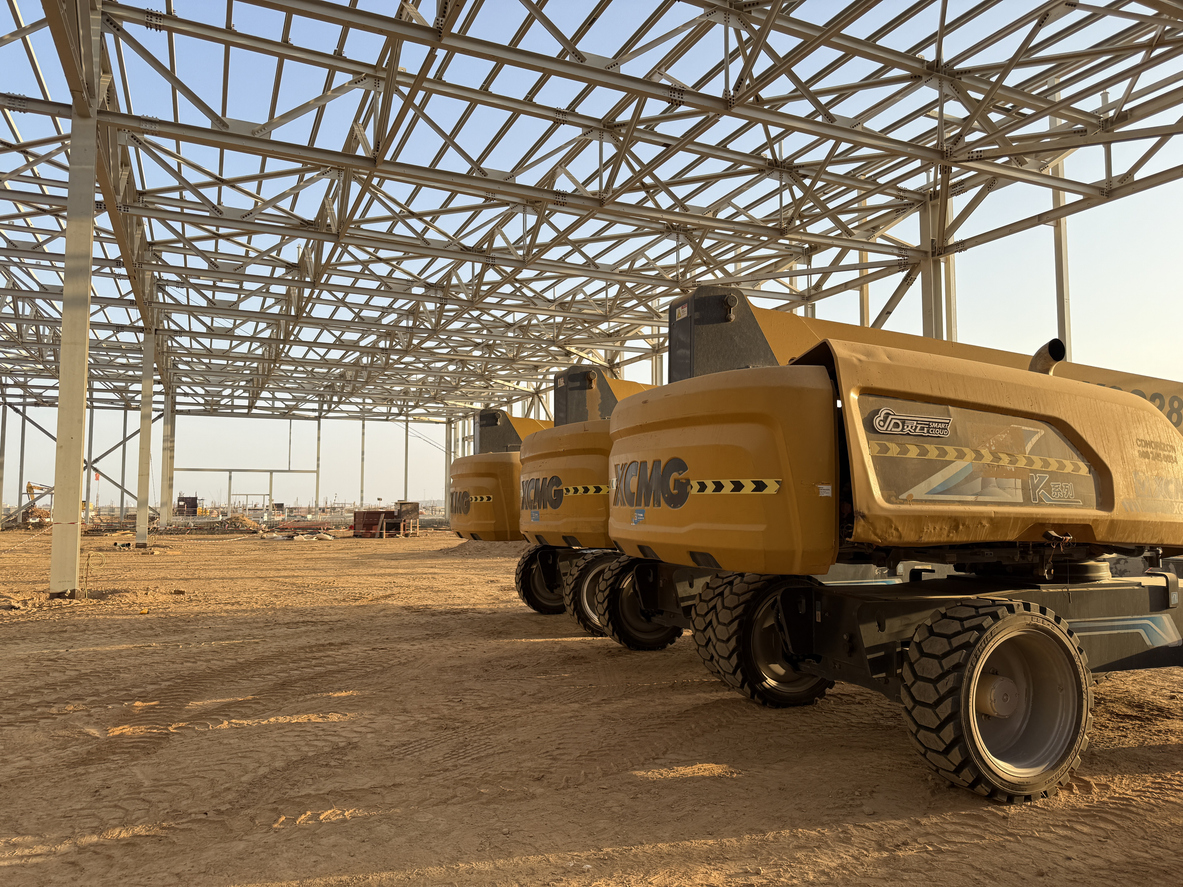
Nigeria’s construction and infrastructure sectors continue to expand, driven by urbanization, public works projects, real estate development, and private industrial investment. For contractors, equipment rental companies, and project developers, sourcing reliable and cost-effective machinery is critical. As a result, many businesses are looking to import construction equipment from China to Nigeria to access competitive pricing and a broad range of machinery options.
However, importing heavy equipment involves more than simply placing an order overseas. It requires supplier verification, compliance with Nigerian import regulations, logistics coordination, and risk management. This guide outlines the key steps, challenges, and practical solutions for successfully importing construction equipment into Nigeria—and how Wigmore Trading can support the process.
Why Import Construction Equipment from China?
China is one of the world’s largest manufacturers of construction machinery. Nigerian importers benefit from:
-
Competitive factory pricing
-
A wide selection of machinery and spare parts
-
Flexible production capacity
-
Established global export experience
Equipment commonly imported from China to Nigeria includes:
-
Excavators and backhoes
-
Bulldozers and graders
-
Wheel loaders
-
Concrete mixers and batching plants
-
Cranes and lifting equipment
-
Road construction machinery
-
Generators and industrial compressors
For construction firms seeking to control costs without compromising performance, importing directly from China can be a strategic decision.
Step-by-Step Process to Import Construction Equipment from China to Nigeria
1. Identify the Right Supplier
Choosing a reliable manufacturer or supplier is critical. Key checks include:
-
Company registration and export license
-
Production capacity and certifications
-
Product specifications and warranty terms
-
Inspection reports and references
Working with an experienced sourcing partner reduces the risk of dealing with unverified suppliers. Wigmore Trading can assist with supplier sourcing, factory verification, and quality assurance before shipment.
2. Confirm Equipment Specifications and Compliance
Before shipping, ensure the equipment meets Nigerian standards and operational requirements. This includes:
-
Voltage compatibility (for powered machinery)
-
Emission standards
-
Safety certifications
-
Spare parts availability
Incorrect specifications can lead to customs delays or operational issues once the equipment arrives in Nigeria.
3. Understand Nigerian Import Regulations
To import construction equipment from China to Nigeria, importers must comply with:
-
Form M processing
-
Pre-Arrival Assessment Report (PAAR)
-
Nigeria Customs Service regulations
-
SONCAP (if applicable to equipment category)
-
Proper HS code classification
Errors in documentation can result in penalties, demurrage charges, or cargo seizure. An experienced import and logistics partner ensures all documentation is processed accurately.
4. Arrange Shipping and Freight Forwarding
Construction equipment is typically shipped via:
-
Containerized freight (for smaller machinery)
-
Flat rack containers
-
Roll-on/Roll-off (RoRo) vessels for large equipment
Shipping method depends on equipment size, weight, and urgency. Freight costs, insurance, and port handling charges must be factored into the total landed cost.
Wigmore Trading coordinates international freight forwarding and customs clearance to ensure equipment arrives safely and on schedule.
5. Customs Clearance in Nigeria
Upon arrival at Nigerian ports (e.g., Apapa or Tin Can Island), importers must:
-
Submit final documentation
-
Pay applicable duties and taxes
-
Complete inspection procedures
-
Arrange inland transportation
Construction equipment may attract varying duty rates depending on classification. Proper tariff determination is essential to avoid overpayment.
Common Challenges When Importing from China
Delays in Shipment
Production backlogs or port congestion can delay delivery. Planning procurement timelines in advance reduces disruption to construction projects.
Quality Control Risks
Without proper inspection, machinery may not meet expected standards. Third-party inspections before shipment are recommended.
Currency Fluctuations
Exchange rate volatility affects import costs. Negotiating clear payment terms and working with experienced trade facilitators helps manage financial risk.
Logistics Complexity
Heavy equipment requires specialized handling and inland transport coordination. Partnering with a logistics provider experienced in oversized cargo is critical.
Cost Considerations
When calculating total import cost, consider:
-
Equipment purchase price
-
Freight charges
-
Marine insurance
-
Customs duties and VAT
-
Port charges
-
Clearing agent fees
-
Inland haulage
The lowest factory price does not always translate to the lowest landed cost. Comprehensive cost analysis ensures profitability and proper project budgeting.
How Wigmore Trading Supports Equipment Importers
Importing construction equipment from China to Nigeria involves multiple stages that require technical knowledge and local expertise. Wigmore Trading provides:
-
Supplier sourcing and negotiation
-
Quality inspection coordination
-
Freight forwarding and shipping management
-
Customs documentation processing
-
Port clearance support
-
Inland delivery coordination
By managing the supply chain end-to-end, Wigmore Trading helps contractors, distributors, and project managers streamline procurement and reduce risk.
Whether you are importing excavators for a large infrastructure project or sourcing machinery for resale, Wigmore Trading can help.
Conclusion
As Nigeria’s construction industry continues to grow, the demand for reliable and cost-effective machinery remains strong. Choosing to import construction equipment from China to Nigeria offers significant advantages—but only when handled strategically.
From supplier verification to customs clearance and inland transport, each step requires careful planning. With the right sourcing and logistics partner, businesses can minimize delays, control costs, and ensure equipment arrives ready for deployment.
Contact Wigmore Trading today to streamline your sourcing and equipment import process.






Comments are closed.