

How to Import Printing Machine from China to Nigeria: A Complete Guide for Businesses

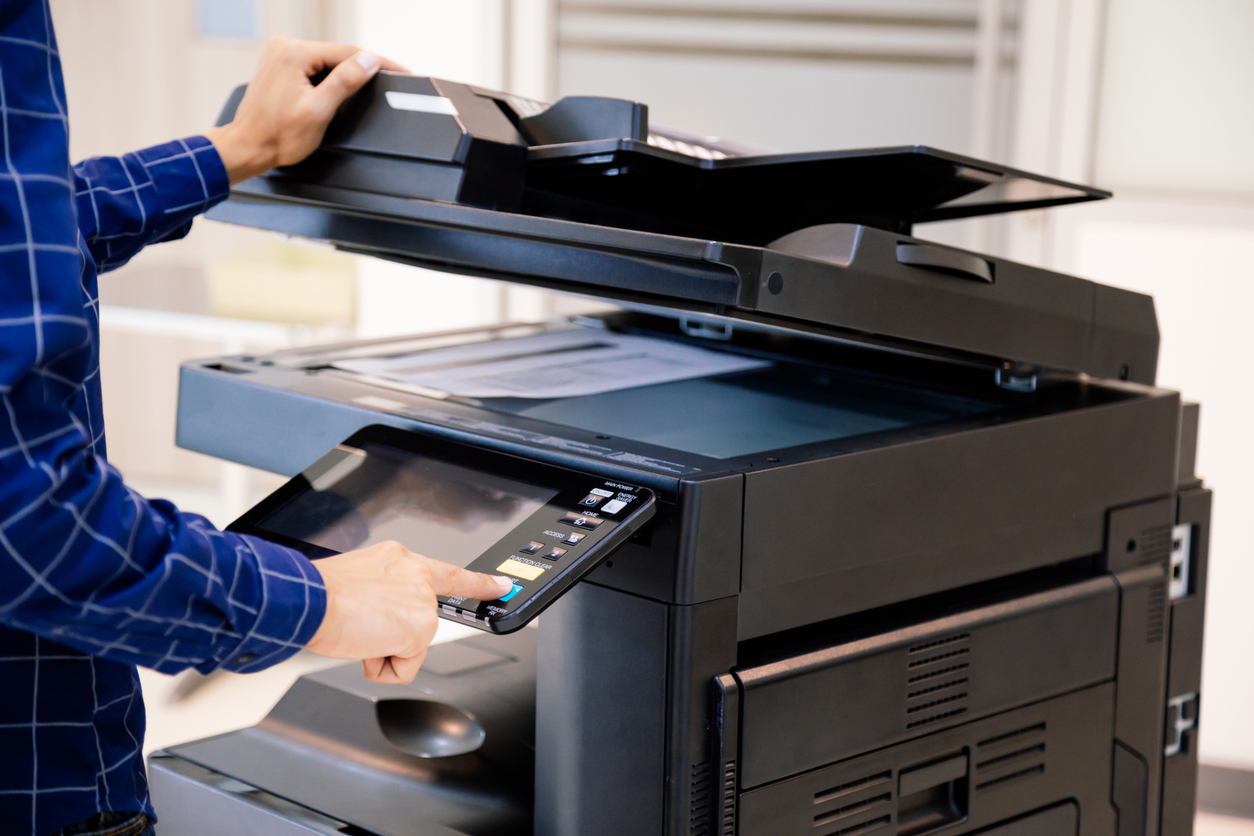
Nigeria’s printing industry continues to expand, driven by demand from packaging, publishing, advertising, FMCG labeling, and commercial printing. For many Nigerian businesses, sourcing equipment internationally is often the most cost-effective option. Understanding how to import printing machine from China to Nigeria is therefore essential for printers, packaging companies, and industrial manufacturers seeking competitive pricing and modern technology.
China is one of the world’s largest producers of printing machinery, offering a wide range of offset, flexographic, digital, screen, and gravure printing machines. However, importing heavy industrial equipment requires careful planning, regulatory compliance, and reliable logistics coordination.
This guide explains the process, key considerations, and how businesses can manage risks effectively.
Why Import Printing Machine from China to Nigeria?
When companies choose to import printing machine from China to Nigeria, cost efficiency is often the primary driver. Chinese manufacturers offer competitive pricing due to scale, advanced manufacturing ecosystems, and strong export infrastructure.
Beyond cost, Chinese suppliers provide a broad spectrum of printing technologies suited for various sectors, including:
-
Commercial printing and publishing
-
Flexible packaging and FMCG labeling
-
Textile and garment printing
-
Corrugated carton and packaging production
Many Nigerian businesses also benefit from customization options, spare parts availability, and scalable production lines. However, lower purchase prices should never overshadow due diligence and compliance requirements.
Choosing the Right Printing Machine for the Nigerian Market
Before initiating the import process, businesses must clearly define their operational needs. Printing machines vary widely in size, automation level, output capacity, and compatibility with local power supply standards.
When planning to import printing machine from China to Nigeria, consider:
- Production capacity requirements and expected growth
- Voltage compatibility (Nigeria operates on 230V, 50Hz)
- Availability of local technical support and spare parts
- Operator skill level and training needs
- Factory floor space and installation conditions
Heavy industrial machines may require reinforced flooring or specialized installation teams. Factoring in these details early helps avoid costly delays after arrival.
Regulatory Requirements When You Import Printing Machine from China to Nigeria
Nigeria’s import regulations for industrial machinery are structured but strict. Businesses must comply with the Nigeria Customs Service (NCS), Standards Organisation of Nigeria (SON), and other regulatory agencies.
Key requirements typically include:
-
Form M processing through an authorized Nigerian bank
-
Pre-Arrival Assessment Report (PAAR)
-
Bill of Lading
-
Commercial Invoice and Packing List
-
SONCAP (where applicable)
-
Customs duty and VAT payments
Printing machines generally fall under machinery HS codes and may attract import duty and 7.5% VAT, though rates vary depending on classification. Accurate HS code classification is critical to prevent disputes or penalties.
Professional trade facilitators such as Wigmore Trading can support businesses with proper documentation, classification, and compliance management, ensuring a smoother clearance process at Nigerian ports.
Shipping and Logistics When You Import Printing Machine from China to Nigeria
Printing machines are typically large, heavy, and sensitive to handling. Sea freight is the most common shipping method due to cost efficiency. Depending on machine size, shipments may be handled as:
- Full Container Load (FCL)
- Less than Container Load (LCL)
- Breakbulk cargo for oversized machinery
Major Nigerian entry ports include Apapa Port and Tin Can Island Port in Lagos. Transit time from major Chinese ports such as Shanghai, Ningbo, or Shenzhen usually ranges between 30 to 45 days.
Proper packaging and marine insurance are essential. Industrial machines can suffer mechanical damage if poorly secured. Comprehensive cargo insurance protects against financial loss during transit.
Wigmore Trading supports clients by coordinating freight forwarding, cargo consolidation, insurance, and port clearance, reducing the complexity associated with heavy equipment imports.
Managing Quality Control Before Shipment
One of the most important steps when you import printing machine from China to Nigeria is quality verification before shipment. Once machinery arrives in Nigeria, resolving manufacturing defects becomes significantly more difficult and expensive.
Businesses should arrange:
- Factory inspections
- Pre-shipment testing
- Video verification of operational performance
- Confirmation of spare parts inclusion
In some cases, hiring a third-party inspection agency in China helps ensure that the machine meets agreed specifications. Clear contracts outlining warranties, installation support, and after-sales service are also critical.
Installation and After-Sales Considerations
Importing the machine is only part of the process. Installation, calibration, and operator training are equally important for long-term performance.
Many Chinese manufacturers offer remote technical guidance, but businesses should evaluate whether on-site technician support is required. Spare parts planning is also crucial. Delays in sourcing replacement components can disrupt production schedules, particularly in packaging and FMCG sectors where output timelines are strict.
Working with experienced trade partners such as Wigmore Trading helps coordinate post-import logistics, warehouse handling, and inland transportation to the final factory destination.
Cost Breakdown When You Import Printing Machine from China to Nigeria
Understanding the full landed cost prevents underestimation of investment requirements. Expenses typically include:
Machine purchase price
- Freight charges
- Marine insurance
- Port handling fees
- Customs duties and VAT
- Inland transportation
- Installation and technician support
While Chinese suppliers may offer competitive ex-factory pricing, freight and customs costs can significantly influence total expenditure. Accurate cost forecasting ensures proper budgeting and avoids cash flow strain.
Common Challenges and How to Mitigate Them
Businesses that import printing machine from China to Nigeria may encounter challenges such as shipment delays, documentation discrepancies, customs valuation disputes, or technical mismatches.
Risk mitigation strategies include:
- Working with reputable, verified manufacturers
- Ensuring precise HS code classification
- Using professional freight forwarders
- Securing cargo insurance
- Conducting pre-shipment inspections
An experienced sourcing and logistics partner can simplify the entire supply chain process, from supplier negotiation to final delivery.
Conclusion
Choosing to import printing machine from China to Nigeria can provide Nigerian businesses with access to advanced technology at competitive prices. However, success depends on careful planning, regulatory compliance, quality assurance, and efficient logistics coordination.
From supplier sourcing and documentation processing to freight management and customs clearance, each stage must be handled with precision. With the right expertise and structured supply chain management, businesses can minimize risks and maximize long-term returns on investment.
Wigmore Trading can help. Contact Wigmore Trading today to streamline your sourcing.




Comments are closed.