
How to Import Mobile Phone Accessories from China to Nigeria

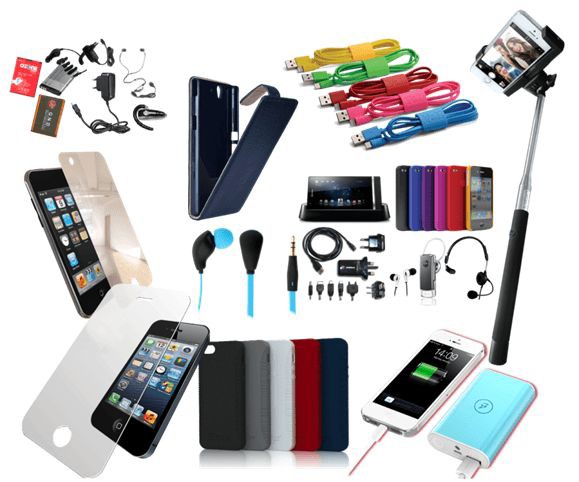
Nigeria’s demand for smartphones continues to grow, and with it, the market for chargers, power banks, earphones, phone cases, screen protectors, and other accessories. For wholesalers, distributors, and retailers, importing mobile phone accessories from China to Nigeria presents a strong commercial opportunity—if managed correctly.
China remains the global hub for mobile accessory manufacturing due to its competitive pricing, wide product variety, and scalable production capacity. However, successful importation requires careful supplier selection, quality control, regulatory compliance, and logistics coordination.
This guide explains how businesses can effectively manage mobile phone accessories from import China to Nigeria, while minimizing risk and maximizing profitability.
Why Import Mobile Phone Accessories from China to Nigeria?
China dominates global electronics manufacturing, particularly in cities like Shenzhen and Guangzhou. Manufacturers offer a wide range of accessories across price tiers—from budget generic products to OEM and branded-compatible items.
For Nigerian importers, the advantages include:
-
Competitive factory pricing
-
Large production capacity
-
Custom branding and packaging options
-
Access to the latest product trends
Because mobile accessories are relatively lightweight and high-margin products, they are well-suited for international trade. However, profit margins depend heavily on controlling product quality and managing total landed costs.
Understanding the Nigerian Market for Mobile Accessories
Before importing mobile phone accessories from China to Nigeria, businesses must understand local demand patterns.
The Nigerian market is price-sensitive but highly volume-driven. Popular products include:
-
Fast-charging cables (Type-C and Lightning)
-
Power banks (10,000mAh–30,000mAh)
-
Wireless earbuds and Bluetooth headsets
-
Tempered glass screen protectors
-
Shockproof and branded phone cases
Counterfeit and low-quality products are common in the market. While cheaper goods may sell quickly, substandard electronics can lead to customer complaints, reputational damage, and regulatory issues. Importers must strike a balance between affordability and acceptable quality standards.
Finding Reliable Suppliers in China
Supplier selection is one of the most critical steps when importing mobile phone accessories from China to Nigeria.
Businesses often source through:
-
Direct factory visits
-
Verified online B2B platforms
-
Trade fairs such as the Canton Fair
-
Sourcing agents
Key due diligence measures include verifying business licenses, requesting product samples, reviewing certifications, and confirming production capacity. Electrical accessories such as chargers and power banks should comply with international safety standards to reduce risk.
Working with an experienced sourcing partner like Wigmore Trading can help Nigerian importers identify reliable manufacturers, negotiate pricing, conduct quality inspections, and manage supplier relationships effectively.
Product Quality and Certification Requirements
When importing electronics into Nigeria, compliance is essential. The Standards Organisation of Nigeria (SON) regulates product safety standards for electrical goods. Many mobile accessories require SONCAP (Standards Organisation of Nigeria Conformity Assessment Programme) certification before shipment.
Importers must ensure:
-
Products meet relevant safety standards
-
Documentation is complete before shipping
-
Labels and packaging meet regulatory requirements
-
Batteries comply with transport regulations
Failure to comply can result in shipment delays, penalties, or confiscation.
Because battery-powered accessories such as power banks and wireless earbuds fall under hazardous cargo categories, they may require special documentation and shipping arrangements. Professional logistics coordination significantly reduces the risk of clearance issues.
Shipping Mobile Phone Accessories from China to Nigeria
Shipping options depend on shipment size, urgency, and cost considerations.
Air freight is suitable for small, high-value consignments or urgent restocking. It is faster but more expensive.
Sea freight is more economical for bulk shipments and full container loads. For growing distributors, consolidating orders into shared containers can reduce per-unit freight costs.
When calculating total import cost, businesses must factor in:
-
Product price
-
Freight charges
-
Insurance
-
Customs duties
-
Clearing and handling fees
-
Inland transport within Nigeria
Many importers underestimate these additional costs, which can significantly affect final margins. A professional freight forwarder ensures accurate cost planning and proper documentation management.
Wigmore Trading supports importers by coordinating international freight, handling documentation, managing customs clearance, and ensuring timely delivery to warehouses or distribution centers across Nigeria.
Customs Clearance and Import Duties in Nigeria
Customs clearance is a critical stage in mobile phone accessories from import China to Nigeria.
Importers must register with the Nigeria Customs Service and ensure correct HS codes are applied. Incorrect classification can lead to disputes, delays, or additional duties.
Electronics and accessories may attract customs duty, VAT, and other port charges depending on classification and value.
Pre-shipment documentation typically includes:
-
Commercial invoice
-
Packing list
-
Bill of lading or airway bill
-
SONCAP certificate (if applicable)
-
Form M and Pre-Arrival Assessment Report (PAAR)
Accurate documentation reduces the risk of demurrage and storage costs at Nigerian ports.
Managing Risks in Mobile Phone Accessories Importation
Importing mobile phone accessories from China to Nigeria carries several risks, including:
-
Quality inconsistencies
-
Delayed shipments
-
Regulatory non-compliance
-
Exchange rate fluctuations
-
Counterfeit goods
To mitigate these risks, businesses should conduct pre-shipment inspections, work with verified suppliers, secure cargo insurance, and partner with experienced logistics and compliance specialists.
Additionally, diversifying suppliers can reduce dependence on a single manufacturer and protect supply continuity.
Building a Sustainable Distribution Strategy in Nigeria
Importing is only part of the business. Successful wholesalers focus on strong local distribution networks, inventory management, and after-sales service.
Retail demand shifts quickly due to new smartphone releases and changing consumer preferences. Importers must monitor trends closely and avoid overstocking outdated models.
By combining reliable sourcing from China with efficient warehousing and distribution within Nigeria, businesses can build sustainable growth in the competitive mobile accessory market.
Wigmore Trading supports businesses not only in sourcing mobile phone accessories from China to Nigeria but also in handling logistics, compliance, and distribution planning to ensure smooth operations across the supply chain.
Conclusion
The trade in mobile phone accessories from import China to Nigeria remains a profitable opportunity for wholesalers and distributors. However, success depends on supplier verification, regulatory compliance, accurate cost planning, and efficient logistics management.
With proper due diligence and structured supply chain coordination, businesses can reduce risk and protect margins in a highly competitive market.
Wigmore Trading can help. Contact Wigmore Trading today to streamline your sourcing.






Comments are closed.