
How to Successfully Manage Electrical Cables Import from China to Nigeria

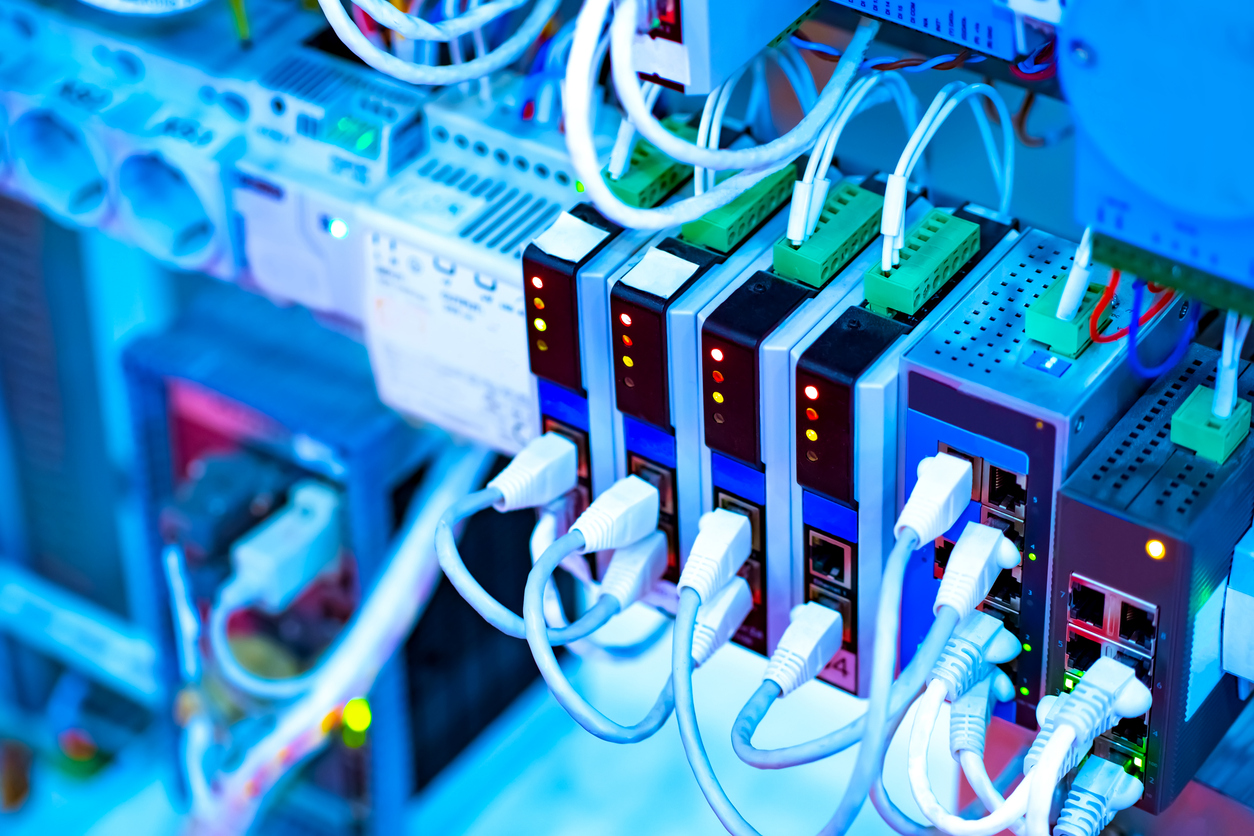
Nigeria’s infrastructure growth, expanding construction sector, and rising industrial activity continue to drive demand for electrical materials. Among these, cables remain one of the most critical components across residential, commercial, and industrial projects. As local production struggles to meet volume and pricing demands, many businesses are turning to electrical cables import from China to Nigeria as a strategic sourcing solution.
However, importing electrical cables requires more than simply finding a low-cost supplier. Quality standards, regulatory compliance, shipping logistics, and currency considerations all play important roles in determining whether an import venture succeeds.
This guide outlines the key considerations for businesses looking to import electrical cables from China into Nigeria efficiently and responsibly.
Why Electrical Cables Import from China to Nigeria Is Growing
China remains one of the world’s largest producers of electrical cables, offering a wide range of products including:
-
Low-voltage building wires
-
Armoured power cables
-
Control cables
-
Flexible cables
-
Industrial and high-voltage cables
For Nigerian importers, China offers competitive pricing, large-scale manufacturing capacity, and the ability to customize cable specifications according to project requirements.
With Nigeria’s increasing investments in housing developments, renewable energy projects, telecommunications infrastructure, and manufacturing facilities, the demand for reliable cable supply chains continues to grow. Importing from China helps wholesalers, contractors, and distributors maintain inventory availability and competitive pricing.
Key Product Specifications to Consider When Importing Electrical Cables
When handling electrical cables import from China to Nigeria, technical accuracy is essential. Electrical cables must meet both project requirements and Nigerian regulatory standards.
Critical specifications include:
-
Conductor material (copper or aluminium)
-
Cross-sectional area (measured in mm²)
-
Voltage rating
-
Insulation material (PVC, XLPE, etc.)
-
Flame retardant or fire-resistant properties
-
Armouring type (if required)
Importers must verify that products comply with relevant Nigerian standards, including SONCAP (Standards Organisation of Nigeria Conformity Assessment Programme). Failure to meet regulatory requirements can result in port delays, fines, or product seizure.
Working with experienced sourcing partners such as Wigmore Trading helps ensure supplier documentation, product testing certificates, and SONCAP requirements are properly managed before shipment.
Supplier Verification for Electrical Cables Import from China to Nigeria
Quality inconsistency is one of the main risks in the electrical cable trade. Substandard cables can lead to overheating, fire hazards, or premature system failure, exposing distributors and contractors to significant liability.
Before confirming orders, importers should:
-
Conduct supplier background checks
-
Request product samples
-
Verify factory certifications (ISO, CE where applicable)
-
Confirm copper purity and conductor thickness
-
Review third-party inspection reports
Because cables are technical products, price alone should never determine supplier selection. Reliable manufacturers may not always offer the lowest quotation, but they provide consistency in conductor quality and insulation thickness, which directly affects performance and safety.
Wigmore Trading supports Nigerian businesses by identifying reputable manufacturers, coordinating inspections, and ensuring specifications match contractual requirements.
Shipping and Logistics Considerations
Electrical cables are heavy and bulky, particularly armoured or high-voltage types. Freight planning is therefore crucial in any electrical cables import from China to Nigeria.
Importers must consider:
-
Full Container Load (FCL) vs Less than Container Load (LCL)
-
Port selection (Lagos ports are typically primary entry points)
-
Customs clearance timelines
-
Insurance coverage for high-value cargo
-
Inland transportation to warehouses or project sites
Because copper prices fluctuate globally, shipment timing can also affect overall import cost. Coordinating procurement and freight booking carefully helps avoid unexpected price increases or port congestion delays.
Wigmore Trading assists with freight coordination, customs documentation, and last-mile distribution, helping importers streamline the entire supply chain.
Regulatory Compliance for Electrical Cables in Nigeria
Compliance remains one of the most important aspects of electrical cables import from China to Nigeria. Nigerian authorities enforce strict quality control measures to protect consumers and infrastructure projects.
Importers must ensure:
-
SONCAP certification is secured prior to shipment
-
Product labeling meets Nigerian requirements
-
Technical documentation matches actual specifications
-
Customs declarations accurately reflect cargo details
Failure to manage compliance properly can result in shipment detention, additional inspection fees, or reputational damage.
A structured compliance process, supported by experienced import professionals, reduces risk and protects long-term business relationships.
Managing Currency and Cost Risks
Exchange rate volatility between the naira and foreign currencies directly impacts import margins. Since most Chinese suppliers transact in US dollars, currency risk management becomes essential.
Importers should:
-
Secure competitive foreign exchange rates
-
Negotiate payment terms carefully
-
Consider partial advance payments with balance upon inspection
-
Monitor copper market trends
Strategic procurement planning allows businesses to maintain stable pricing for Nigerian customers, even in volatile economic conditions.
Wigmore Trading works closely with clients to plan sourcing cycles efficiently, ensuring cost visibility from supplier negotiation through final delivery.
Building a Sustainable Electrical Cable Supply Chain
Successful electrical cables import from China to Nigeria requires a long-term approach. Rather than relying on opportunistic buying, importers benefit from building structured supplier relationships and maintaining consistent quality standards.
Reliable supply chains allow distributors to:
-
Maintain stock availability
-
Meet contractor deadlines
-
Protect brand reputation
-
Reduce product returns and warranty claims
By combining supplier verification, regulatory compliance, freight coordination, and quality control, businesses can create a stable import framework that supports Nigeria’s growing infrastructure needs.
Conclusion
The demand for reliable electrical infrastructure in Nigeria continues to rise, making electrical cables import from China to Nigeria a critical trade channel. While the opportunity is substantial, success depends on careful supplier selection, compliance management, and efficient logistics coordination.
Importers who prioritize quality assurance, regulatory adherence, and structured procurement processes position themselves for sustainable growth in Nigeria’s competitive electrical market.
Wigmore Trading can help. Contact Wigmore Trading today to streamline your sourcing.




Comments are closed.