

A Complete Business Guide to Rubber Products Import from China to Nigeria

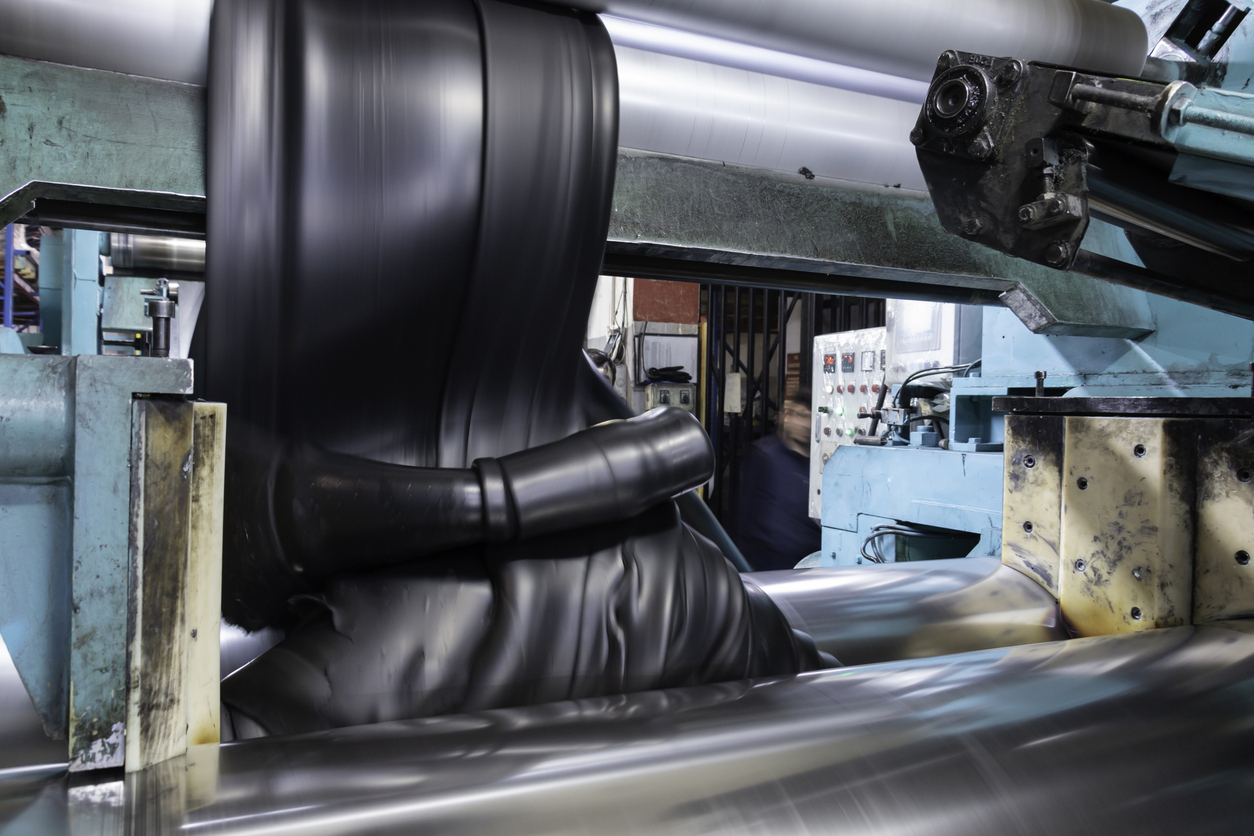
Importing rubber products from China to Nigeria can be a profitable venture if it is approached with the right sourcing strategy, quality controls, and logistics planning. Demand for rubber-related goods in Nigeria continues to grow across sectors such as automotive, construction, manufacturing, healthcare and consumer goods. This creates opportunities for importers who can reliably move products from Chinese manufacturers into the Nigerian market.
Below is a structured guide on how to manage rubber products import from China to Nigeria efficiently, with a focus on sourcing, compliance, logistics and market distribution.
Understanding the Market for Rubber Products in Nigeria
Before starting any rubber products import from China to Nigeria, it is critical to understand local demand. Key segments include:
-
Automotive and transport – tyres, tubes, belts, seals and gaskets
-
Construction and infrastructure – rubber hoses, flooring, insulation, expansion joints
-
Industrial and manufacturing – rubber rollers, components, conveyor belts, O-rings
-
Consumer and household – gloves, footwear, mats, seals and packaging items
Nigeria’s manufacturing and retail sectors rely heavily on imported rubber products due to limited local production capacity in specific categories. Importers who can provide consistent quality and steady supply often build long-term relationships with wholesalers, workshops, and industrial users.
Wigmore Trading supports businesses in assessing demand, identifying high-volume product categories and aligning supply with local market needs.
Sourcing Rubber Products from China: Quality and Supplier Selection
Successful rubber products import from China to Nigeria starts with disciplined supplier selection. China has thousands of rubber manufacturers and traders, but quality and reliability can vary widely.
Key sourcing considerations include:
-
Product specifications and standards
Clearly define hardness, tensile strength, temperature resistance, chemical resistance and any industry-specific standards (e.g. automotive or industrial requirements). -
Factory verification
Check whether you are dealing with a manufacturer or a trading company, review production capability, and request documentation such as ISO certifications and test reports. -
Sample and pre-shipment inspections
Always review physical samples and consider third-party inspections before shipment to avoid costly quality issues on arrival. -
Minimum order quantities and lead times
Understand production lead times, peak season capacity and flexibility for repeat orders.
Wigmore Trading can assist with supplier vetting, product specification checks and coordination of inspections to reduce risk and ensure the imported rubber products meet Nigerian buyers’ expectations.
Compliance and Documentation for Rubber Imports into Nigeria
Every rubber products import from China to Nigeria must comply with Nigerian regulations. Failing to prepare proper documentation can result in delays, penalties or cargo seizure.
Key compliance elements include:
-
Pro forma invoice and final commercial invoice – with accurate HS codes, unit prices, total values and terms
-
Packing list – detailing item descriptions, quantities, packaging type and weight
-
Bill of lading or airway bill – depending on sea or air shipment
-
Form M – opened via an authorised dealer bank in Nigeria before shipment
-
Where applicable, SONCAP (Standards Organisation of Nigeria Conformity Assessment Programme) or relevant product certification for regulated items
Understanding the correct HS codes for each rubber product category is essential because it affects duty rates and import requirements. A knowledgeable trading partner like Wigmore Trading can help ensure correct classification, documentation and alignment with Nigerian customs regulations.
Logistics and Shipping from China to Nigeria
Efficient logistics planning is at the core of profitable rubber products import from China to Nigeria. Rubber items can range from bulky tyres to small seals, each requiring different packing and shipping strategies.
Key logistics considerations:
-
Mode of transport
-
FCL (Full Container Load) for large volumes of tyres, hoses or industrial components
-
LCL (Less than Container Load) for mixed consignments or smaller trial orders
-
Air freight for urgent or high-value spare parts and components
-
-
Packaging and space utilisation
Proper stacking, bundling and palletisation can significantly reduce per-unit freight cost, particularly for bulky items like tyres or mats. -
Transit time and port selection
Popular routes typically move from major Chinese ports (e.g. Shanghai, Ningbo, Qingdao, Guangzhou) to Nigerian ports such as Lagos (Apapa/Tin Can). Transit time, congestion and local handling capacity should be factored into planning.
Wigmore Trading provides end-to-end logistics coordination, including consolidation, freight booking, customs clearance support and final delivery within Nigeria.
Managing Costs, Pricing and Risk
To keep a rubber products import from China to Nigeria commercially viable, importers must understand their full landed cost and manage risk.
Key cost elements include:
-
Product cost (ex-works or FOB price)
-
International freight and insurance
-
Nigerian port charges, customs duties and taxes
-
Local transport, warehousing and distribution expenses
Careful costing enables realistic pricing to wholesalers, retailers and industrial customers. Risk management is equally important, covering currency fluctuations, supplier performance, quality issues and potential regulatory changes.
Working with an experienced partner such as Wigmore Trading can help you model landed costs, plan appropriate margins and set up more resilient supply chains.
How Wigmore Trading Supports Rubber Product Importers
Throughout the rubber products import from China to Nigeria process, Wigmore Trading can support:
-
Identifying reliable rubber product manufacturers in China
-
Coordinating product specifications and quality checks
-
Managing logistics from Chinese ports to Nigeria
-
Assisting with customs documentation and regulatory compliance
-
Organising local distribution to wholesalers, retailers and industrial customers
By combining sourcing, logistics and local market knowledge, Wigmore Trading helps importers reduce risk, control costs and maintain consistent supply.
Conclusion
The rubber products import from China to Nigeria presents strong opportunities for traders and distributors who can balance quality, cost and reliability. With proper supplier selection, strict compliance, efficient logistics and clear understanding of the Nigerian market, importers can build a competitive position in segments such as tyres, hoses, seals, gaskets and other rubber components.
Partnering with an experienced trading and logistics company like Wigmore Trading can simplify this process and help you focus on growing your customer base.
Contact Wigmore Trading today to streamline your rubber product sourcing and distribution from China to Nigeria.




Comments are closed.