
Best Home Defence Options in Nigeria: A Practical Guide for Safety and Security

Talk to us about this service
Trade, import, logistics, sourcing — whatever you're planning, the fastest way to a quote is a WhatsApp message. Our team replies during Lagos business hours.
WhatsApp usYour message tells us which page you came from
Ensuring the safety of homes and businesses is a growing priority across Nigeria. With increasing urbanisation and expanding commercial activities, individuals and organisations are seeking reliable ways to protect their assets. While the idea of “best home defence weapons in Nigeria” is often discussed, it is essential to approach this topic responsibly—focusing on legal, practical, and effective security measures.
This article explores compliant home defence options, key considerations, and how structured supply chain and security support—such as services offered by Wigmore Trading—can help improve overall safety.
Understanding Home Defence in Nigeria
Home defence in Nigeria is governed by strict laws regarding weapons ownership and usage. Firearms, for example, are heavily regulated, and obtaining a licence involves extensive background checks and approvals. As a result, most individuals and businesses rely on non-lethal and legally permissible security solutions.
Rather than focusing solely on weapons, effective home defence should include a combination of deterrence, monitoring, and response systems.
Legal and Practical Home Defence Tools
1. Security Alarms and Surveillance Systems
Electronic security systems are among the most effective and widely used home defence tools in Nigeria. These include:
- Intruder alarms
- Motion sensors
- CCTV cameras with remote access
These systems act as both deterrents and monitoring tools, enabling property owners to respond quickly to threats. For businesses involved in import/export or warehousing, surveillance is especially critical for protecting inventory.
2. Reinforced Physical Barriers
Strengthening entry points is a foundational step in home defence. This includes:
- Reinforced doors and locks
- Security gates and burglar-proof windows
- Perimeter fencing with controlled access
Such measures reduce vulnerability and are often more reliable than reactive solutions.
3. Personal Safety Devices
Non-lethal personal safety tools are commonly used and generally permitted under Nigerian law. These may include:
- Personal alarms
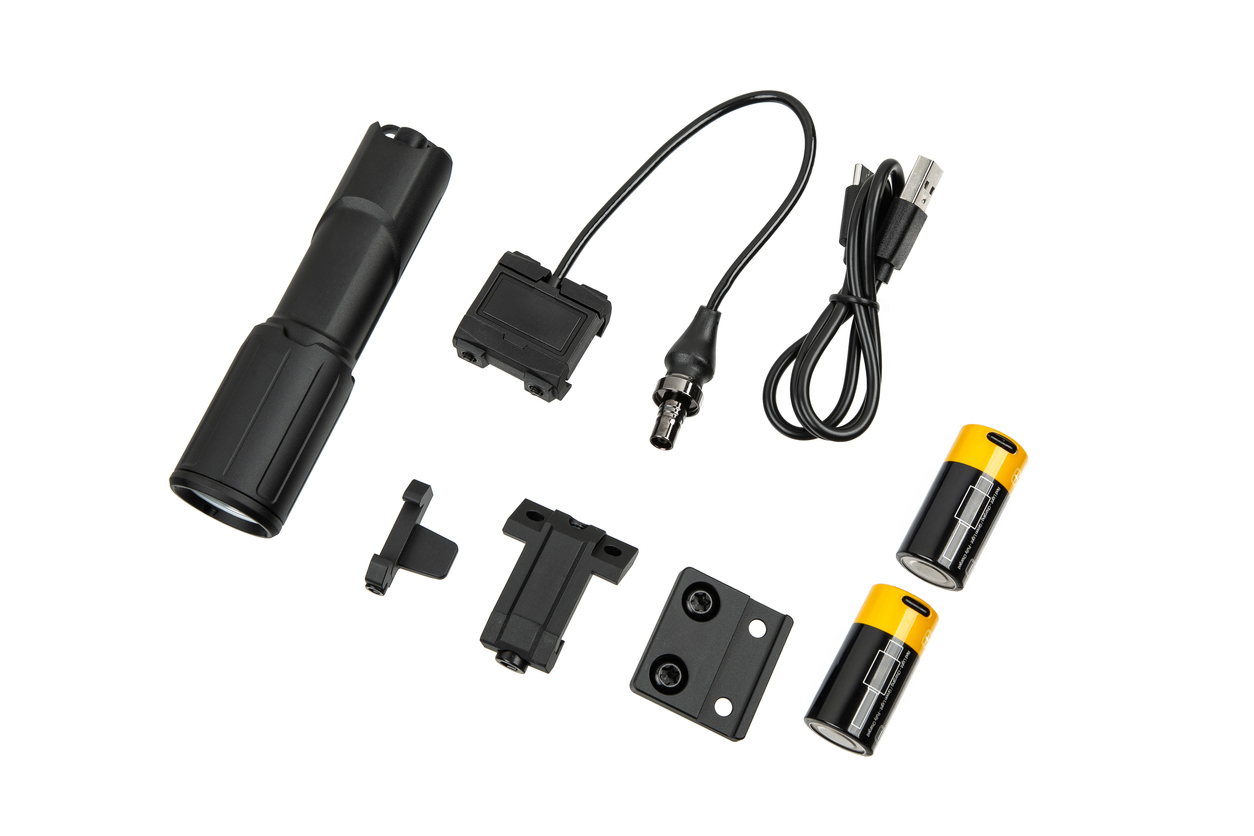
- Flashlights with strobe functions
- Communication devices for emergency alerts
These tools are designed to alert others and create opportunities to escape rather than confront threats.
4. Trained Security Personnel
For residential estates, warehouses, or commercial facilities, employing trained security guards is a common and effective approach. Professional guards provide:
- On-site monitoring
- Access control
- Rapid response to incidents
Businesses involved in logistics and distribution often integrate security personnel into their operations to safeguard goods in transit and storage.
Challenges in Sourcing Security Equipment
Sourcing reliable home defence equipment in Nigeria can present several challenges:
- Quality control issues: Substandard imported products may fail when needed
- Supply chain delays: Importing security systems can be affected by customs clearance and logistics bottlenecks
- Compliance requirements: Certain equipment must meet regulatory standards
These challenges highlight the importance of working with experienced sourcing and logistics partners.
How Wigmore Trading Supports Secure Supply Chains
Wigmore Trading plays a key role in helping businesses and individuals access high-quality security-related products through structured import and distribution channels.
By leveraging its expertise in African trade and logistics, Wigmore Trading can assist with:
- Sourcing compliant security equipment from trusted international suppliers
- Managing import processes, including documentation and customs clearance
- Ensuring timely delivery through efficient logistics networks
- Maintaining product quality standards across supply chains
For companies managing warehouses, retail outlets, or FMCG distribution, integrating reliable security infrastructure into operations is essential. Wigmore Trading helps streamline this process, reducing risk and improving operational continuity.
A Holistic Approach to Home Defence
Focusing solely on weapons is not the most effective strategy for home defence in Nigeria. A comprehensive approach should include:
- Preventive infrastructure (locks, barriers, lighting)
- Monitoring systems (CCTV, alarms)
- Human support (trained security personnel)
- Reliable supply chains for quality equipment
This layered strategy enhances safety while remaining compliant with local laws.
Conclusion
When considering the best home defence options in Nigeria, legality, practicality, and reliability should guide decision-making. Non-lethal tools, surveillance systems, and strong physical security measures offer effective protection without the risks associated with restricted weapons.
For businesses and individuals seeking dependable sourcing and logistics support for security equipment, Wigmore Trading provides structured solutions tailored to the Nigerian market.
Wigmore Trading can help. Contact Wigmore Trading today to streamline your sourcing.
No Comments Yet.




Comments are closed.