

Smart Ways to Import Tiles from China to Nigeria and Cut Costs

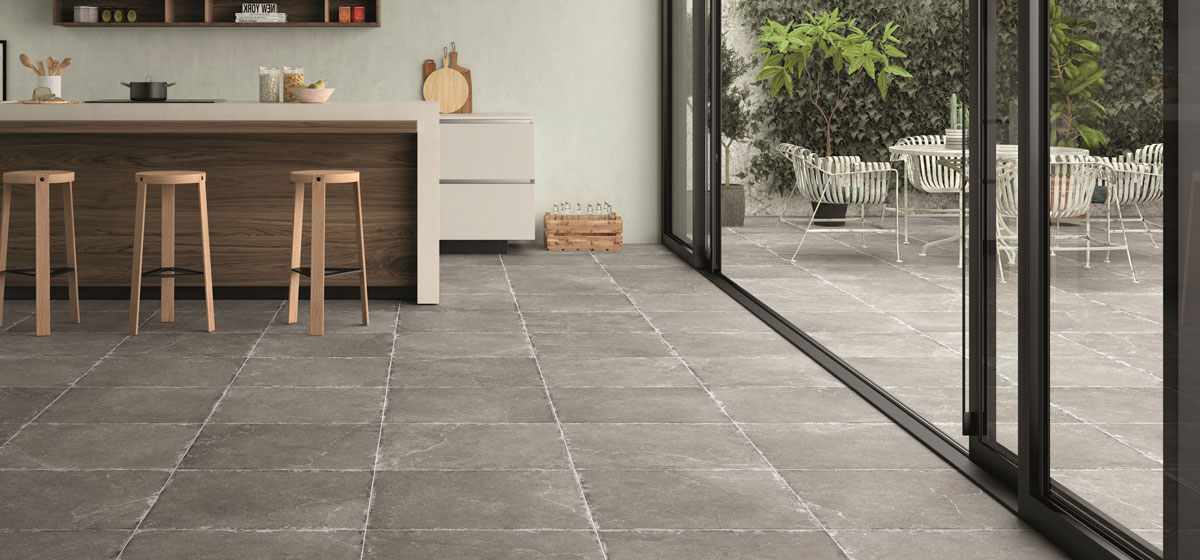
Importing ceramic and porcelain tiles from China into Nigeria has become a core strategy for builders, property developers, and wholesalers looking to stay competitive on price and design.
This guide explains how to import tiles from China to Nigeria efficiently, manage risks, and structure your supply chain. It also highlights how a specialist partner like Wigmore Trading can support sourcing, quality control, and logistics.
Why Import Tiles from China to Nigeria?
China is a global manufacturing hub for floor and wall tiles, offering:
-
Wide product range – from low-cost basic tiles to premium porcelain, marble-effect, and anti-slip ranges
-
Competitive pricing – economies of scale and efficient production reduce unit costs
-
Design variety – constant innovation in patterns, sizes, and finishes to match Nigerian market trends
For Nigerian importers and distributors, this means:
-
Better margins when buying in bulk
-
Ability to serve diverse customer segments (budget to premium)
-
More leverage to compete with local and regional suppliers
Wigmore Trading supports importers by connecting them with reliable Chinese tile manufacturers, negotiating pricing on bulk orders, and coordinating end-to-end shipment into Nigeria.
Planning to Import Tiles from China to Nigeria: Key Steps
Before placing any order, a structured plan will prevent costly delays.
1. Define your target market and product mix
Clarify who you are importing for:
-
Retailers / dealers
-
Construction companies and developers
-
Project-based buyers (hotels, malls, estates)
From there, determine:
-
Tile types: ceramic vs porcelain, wall vs floor
-
Sizes: 30×30, 60×60, 60×120, etc.
-
Finishes: glossy, matte, anti-slip, marble-effect
Wigmore Trading can help you translate Nigerian market demand into a clear product specification sheet for Chinese suppliers.
2. Choose reliable tile suppliers in China
Supplier reliability is critical when you import tiles from China to Nigeria at scale. Focus on:
-
Factory certifications and production capacity
-
Export experience to African markets
-
Consistency of quality across batches
-
Willingness to provide samples and product test reports
Instead of dealing with unknown factories, businesses can work through Wigmore Trading’s vetted supplier network to reduce supplier risk and communication gaps.
3. Calculate landed cost and profit margins
Your landed cost should include:
-
Factory price per square metre or per carton
-
Inland transport in China (factory to port)
-
Ocean freight or other shipping modes
-
Marine insurance
-
Nigerian import duties, taxes, and port charges
-
Local logistics in Nigeria (port to warehouse, distribution)
Only after understanding full landed cost can you price tiles competitively while protecting your margins. Wigmore Trading assists clients with cost breakdowns and logistics scenarios so they can forecast profits accurately.
Shipping Options to Import Tiles from China to Nigeria
Tiles are heavy and fragile, so the logistics plan must balance cost, lead time, and safety.
Ocean freight for tile imports
Most importers use FCL (Full Container Load) or LCL (Less than Container Load):
-
FCL – ideal for large volumes; better control over loading and reduced damage risk
-
LCL – suitable for smaller shipments or test orders, though handling may be higher
Key decisions include:
-
Port of loading in China (e.g. Foshan via nearby major ports)
-
Port of discharge in Nigeria (e.g. Lagos ports)
-
Transit time and sailing frequency
Wigmore Trading coordinates container booking, loading supervision, and shipping documentation, helping ensure the tiles arrive in Nigeria in good condition.
Packaging and handling considerations
To reduce breakage:
-
Use strong cartons, shrink wrapping, and pallets
-
Ensure proper labelling (fragile, up-right arrows)
-
Verify that packing lists and counts match physical goods
A logistics partner like Wigmore Trading can arrange pre-shipment inspections and packing checks before containers leave China.
Customs, Compliance, and Documentation in Nigeria
When you import tiles from China to Nigeria, compliance is as important as price.
Key documentation typically includes:
-
Commercial invoice and packing list
-
Bill of lading
-
Certificates of origin and quality
-
Any required regulatory or conformity documents
Errors or omissions can lead to delays, storage charges, or fines at Nigerian ports. Wigmore Trading works with clients to ensure documentation is complete and aligned with Nigerian customs requirements, and can liaise with clearing agents to speed up the process.
Managing Risks When Importing Tiles
Tile imports carry specific risks:
-
Quality issues – colour differences, surface defects, or incorrect sizes
-
Breakages during loading, transit, or unloading
-
Delays from documentation problems or congestion at ports
Practical ways to reduce risk include:
-
Ordering samples and, where possible, conducting factory visits (or appointing an inspection agent)
-
Including clear quality specifications in contracts
-
Taking out marine insurance for the shipment
-
Working with experienced partners for logistics and customs clearance
Wigmore Trading offers on-the-ground checks, supplier coordination, and logistics management so Nigerian importers can focus on sales and distribution rather than operational firefighting.
Building a Sustainable Tile Import and Distribution Business
To build a long-term business importing tiles from China to Nigeria:
-
Develop strong relationships with a few reliable suppliers
-
Maintain steady inventory levels tailored to your sales cycle
-
Invest in warehousing and safe storage conditions
-
Build a distribution network of dealers, contractors, and project clients
By combining sound import planning with a reliable supply chain, you can turn tile imports into a consistent revenue stream. With its experience in African trade, FMCG and building materials distribution, Wigmore Trading can support at every stage—from supplier selection in China to warehousing and distribution in Nigeria.
Conclusion
Importing tiles from China to Nigeria can significantly improve product range and profitability, but success depends on careful planning, reliable suppliers, and efficient logistics. By understanding product requirements, calculating landed costs, and managing customs and shipping risks, Nigerian businesses can create a sustainable tile import operation.
Wigmore Trading can help. Contact Wigmore Trading today to streamline your tile sourcing, logistics, and distribution between China and Nigeria.




Comments are closed.