

Yiwu Market Sourcing for Nigeria: A Strategic Approach for Distributors

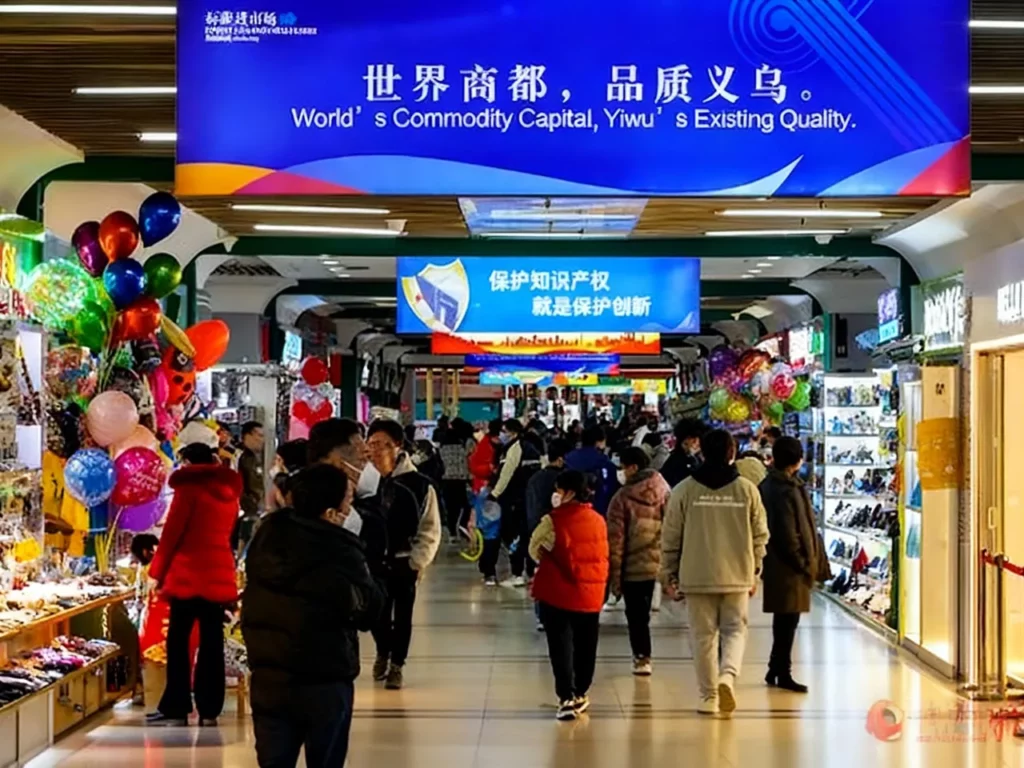
Yiwu Market sourcing for Nigeria has become an increasingly strategic approach for importers, wholesalers, and distributors looking to access affordable consumer goods at scale. Located in Zhejiang Province, China, the Yiwu International Trade Market is one of the world’s largest wholesale markets, offering millions of product lines across categories such as household goods, electronics accessories, textiles, fashion items, toys, stationery, and seasonal products.
For Nigerian businesses operating in FMCG, wholesale distribution, retail, and e-commerce, Yiwu presents both opportunity and complexity. Understanding how to source effectively, manage quality, handle logistics, and comply with Nigerian import regulations is critical to achieving sustainable margins.
This guide explains how Yiwu Market sourcing for Nigeria works, the benefits and risks involved, and how structured supply chain support can improve outcomes.
Why Yiwu Market Sourcing for Nigeria Is Attractive to Importers
Yiwu is known for its wide product selection and relatively low minimum order quantities (MOQs). This makes it especially attractive to:
-
Nigerian wholesalers serving open markets and supermarkets
-
Importers supplying consumer goods to regional distributors
-
E-commerce sellers seeking private-label products
-
Retail chains sourcing non-food FMCG and general merchandise
Key advantages include:
Product Variety: Thousands of suppliers offer similar product categories, allowing buyers to compare prices and quality easily.
Competitive Pricing: Direct factory and wholesale pricing structures enable better profit margins when properly negotiated.
Low MOQs: Compared to many large factories, Yiwu suppliers often allow smaller mixed-container shipments.
Trend Responsiveness: The market reacts quickly to seasonal and consumer trends, making it useful for fast-moving retail sectors in Nigeria.
However, these benefits only materialize when sourcing is handled professionally and systematically.
Key Product Categories in Yiwu Market Sourcing for Nigeria
Nigerian importers commonly source the following product groups from Yiwu:
-
Household and kitchenware
-
Fashion accessories and footwear
-
Personal care accessories
-
Toys and children’s items
-
Stationery and school supplies
-
Phone accessories and small electronics
-
Packaging materials
-
Seasonal and promotional goods
Because many Nigerian markets are price-sensitive but volume-driven, Yiwu’s cost structure can support competitive retail pricing while maintaining distributor margins.
Challenges in Yiwu Market Sourcing for Nigeria
Despite its advantages, Yiwu Market sourcing for Nigeria comes with operational risks.
Supplier Verification and Quality Control
Yiwu hosts thousands of small and medium suppliers. Not all operate at the same quality standard. Without factory audits or third-party inspection, buyers may face:
-
Inconsistent product quality
-
Substandard packaging
-
Incorrect labeling
-
Shipment discrepancies
For Nigerian importers, this can result in delayed sales, product returns, or regulatory issues at port.
Product Compliance for Nigerian Imports
Certain goods require compliance with Nigerian import regulations, including SON (Standards Organisation of Nigeria) requirements and applicable certifications. Failure to meet documentation or labeling standards can lead to clearance delays or additional costs.
Understanding documentation requirements before shipment is critical in Yiwu Market sourcing for Nigeria.
Logistics and Freight Management
Shipping from Yiwu to Nigeria typically involves:
-
Inland transport to major ports such as Ningbo or Shanghai
-
Sea freight to Nigerian ports (Apapa, Tin Can Island, or Onne)
-
Customs clearance
-
Inland haulage to warehouses
Poor freight planning can increase landed costs significantly. Consolidation errors, container mismanagement, or inaccurate documentation often lead to avoidable demurrage and port charges.
Payment Risks
Many Yiwu suppliers require partial or full advance payments. Without structured payment protection and contract clarity, buyers risk disputes or non-performance.
Best Practices for Effective Yiwu Market Sourcing for Nigeria
To minimize risk and maximize returns, Nigerian importers should adopt a structured sourcing model.
Conduct Thorough Supplier Due Diligence
Before confirming orders:
-
Verify business licenses
-
Confirm production capabilities
-
Review product samples
-
Conduct factory or warehouse inspections
-
Clarify packaging specifications
Where possible, use third-party inspection services before shipment.
Standardize Product Specifications
Clearly define:
-
Material standards
-
Dimensions and tolerances
-
Packaging requirements
-
Branding and labeling details
-
Barcode and compliance markings
Written specifications reduce misunderstandings and improve consistency.
Plan for Consolidation and Container Optimization
Yiwu sourcing often involves multiple small suppliers. Consolidating goods efficiently into a single shipment reduces freight cost per unit.
Professional logistics coordination ensures:
-
Proper palletization
-
Accurate cargo measurement
-
Optimized container loading
-
Correct export documentation
Understand Total Landed Cost
Yiwu Market sourcing for Nigeria should always be evaluated based on total landed cost, not just product price. This includes:
-
Product cost
-
Inland China transport
-
Freight
-
Insurance
-
Nigerian customs duties
-
Port charges
-
Clearing and haulage
Accurate landed cost analysis protects margins and supports better pricing decisions in Nigeria’s competitive wholesale market.
How Wigmore Trading Supports Yiwu Market Sourcing for Nigeria
For Nigerian businesses seeking structured and reliable sourcing solutions, professional support can significantly reduce risk.
Wigmore Trading assists importers with:
-
Supplier identification and verification
-
Product sourcing and negotiation
-
Quality control inspections
-
Consolidation management
-
Freight coordination and shipping
-
Regulatory guidance for Nigerian imports
-
Customs and supply chain advisory
By integrating sourcing, logistics, and compliance expertise, businesses can move from opportunistic buying to a more strategic procurement model.
This is particularly important for FMCG distributors and large-volume wholesalers who require consistent product quality and predictable delivery schedules.
Strategic Considerations for Nigerian Distributors
Yiwu Market sourcing for Nigeria works best when aligned with long-term business strategy. Importers should consider:
-
Building repeat supplier relationships rather than one-off purchases
-
Standardizing core SKUs for consistency
-
Monitoring currency fluctuations (RMB to USD to NGN)
-
Planning seasonal inventory cycles
-
Maintaining buffer stock to manage shipping lead times
Lead times from Yiwu to Nigeria typically range from 6 to 10 weeks, depending on production and shipping schedules. Effective inventory planning prevents stockouts and protects market share.
Conclusion: Making Yiwu Market Sourcing for Nigeria Work
Yiwu Market sourcing for Nigeria offers strong commercial potential for importers, wholesalers, and retailers seeking affordable, diverse product ranges. However, success depends on disciplined supplier selection, quality control, compliance management, and freight planning.
With the right sourcing structure and logistics coordination, Nigerian businesses can leverage Yiwu’s scale while protecting margins and minimizing operational risk.
Wigmore Trading can help. Contact Wigmore Trading today to streamline your sourcing.





Comments are closed.