

Why Every Trade Business Needs a Financial Recovery Expert in Nigeria


A disrupted supply chain, delayed payments, and volatile currency can quickly turn a profitable business into one struggling to survive. This is the reality for many importers, wholesalers, and FMCG distributors across Nigeria and wider Africa.
In this environment, working with a financial recovery expert in Nigeria is no longer a luxury – it is a strategic necessity for businesses that trade at scale, manage inventory across multiple markets, or rely heavily on cross-border logistics.
What a financial recovery expert in Nigeria actually does
A financial recovery expert in Nigeria focuses on stabilising and restoring a company’s financial health. For asset-light service companies this may be relatively simple, but for import/export, wholesale and FMCG operations, it is more complex.
Typical responsibilities include:
-
Assessing cash flow, outstanding receivables, and supplier terms
-
Identifying unprofitable contracts, products, or routes
-
Structuring repayment plans with creditors and financial institutions
-
Recommending cost-optimisation measures across procurement, warehousing, and logistics
-
Designing realistic recovery and growth plans aligned with market conditions
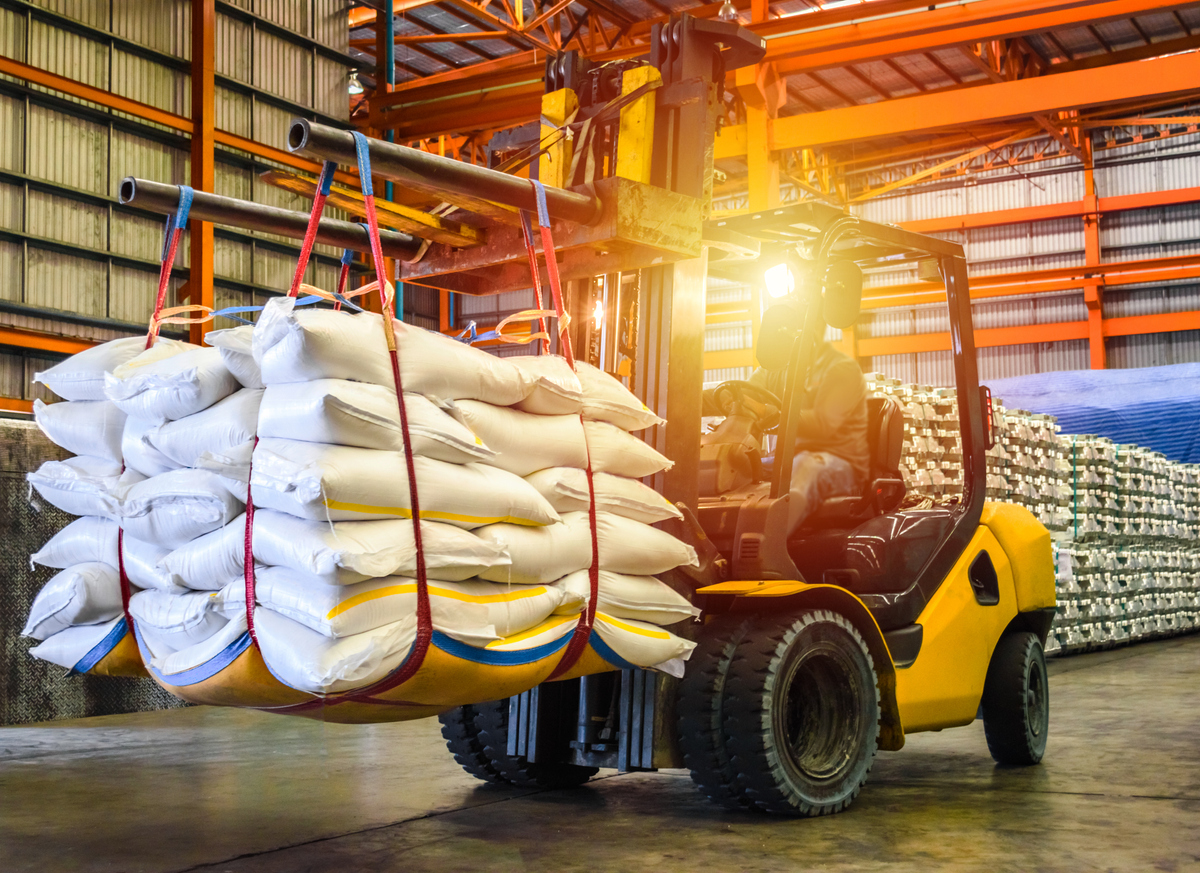
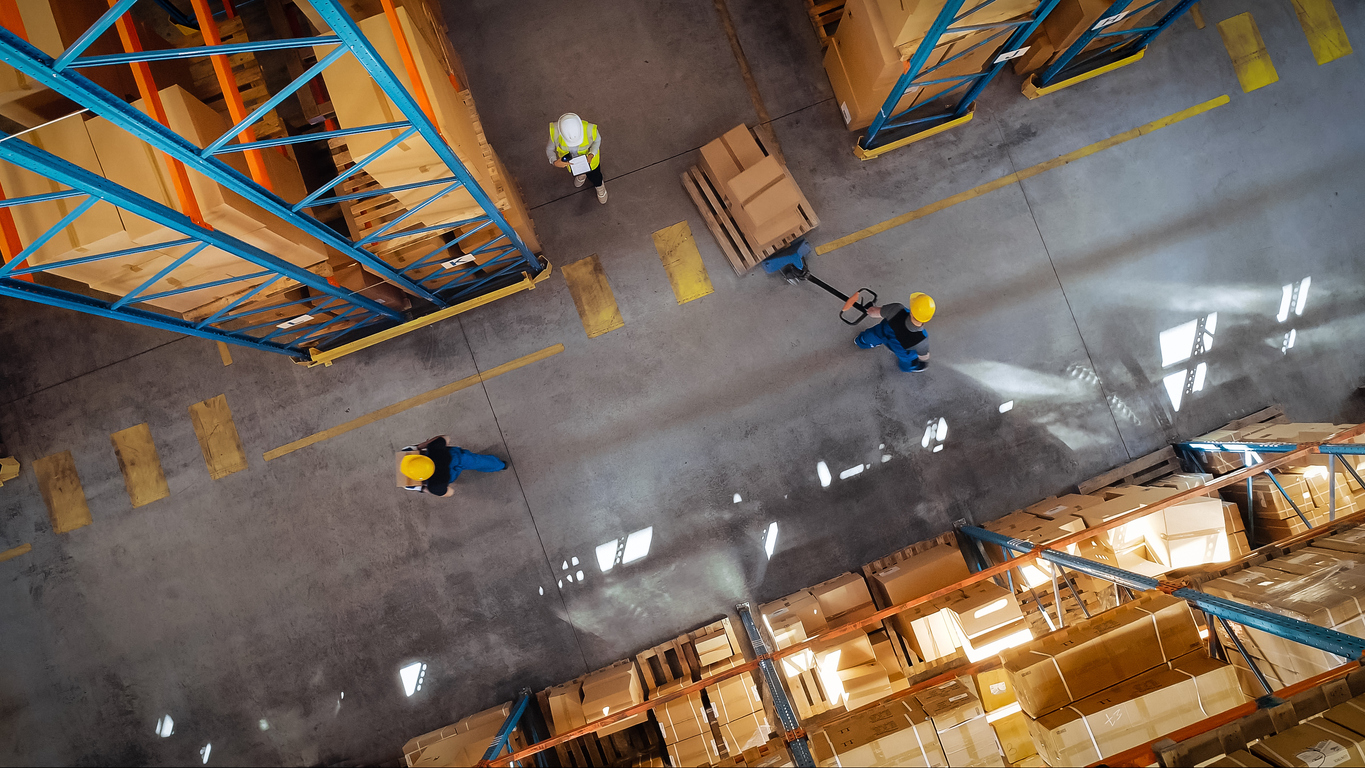
For trading and distribution businesses, this often means mapping the entire supply chain – from overseas suppliers to Nigerian warehouses and last-mile distribution – and understanding where capital is being tied up or lost.
Why importers and distributors need a financial recovery expert in Nigeria
Trade-focused businesses in Nigeria face specific pressures:
-
Foreign exchange volatility affecting landed costs
-
Long lead times for imported goods
-
High logistics and warehousing costs
-
Credit terms extended to retailers and sub-distributors
-
Regulatory and customs-related delays
A financial recovery expert in Nigeria helps management see how these factors combine to affect liquidity. For example, slow-moving inventory or poorly negotiated freight contracts may be consuming working capital that could be redirected to higher-margin lines or faster-selling SKUs.
Wigmore Trading, as a trading and distribution partner, often supports clients facing exactly these pressures. While a financial recovery expert focuses on the numbers and restructuring, Wigmore Trading can adjust sourcing strategies, optimise shipment consolidation, and improve distribution efficiency to make recovery plans practical on the ground.
How a financial recovery expert in Nigeria supports cash flow and trade
For companies in import/export, wholesale distribution, and FMCG, financial recovery is not only about cutting costs. It is about improving the overall economics of the supply chain.
A financial recovery expert may:
-
Review payment terms with suppliers and customers to balance risk and liquidity
-
Prioritise high-margin, fast-moving products across Nigeria and regional markets
-
Align inventory levels with realistic demand forecasts
-
Highlight where outsourcing logistics or partnering with an established distributor like Wigmore Trading can reduce fixed costs
When combined with Wigmore Trading’s capabilities in sourcing, bulk purchasing, and efficient cross-border logistics, these measures can free up cash, reduce losses on obsolete stock, and improve the predictability of trade flows.
Partnering with a financial recovery expert in Nigeria and Wigmore Trading
No recovery plan works in isolation. The recommendations of a financial recovery expert in Nigeria must be supported by partners who understand trade operations in detail.
Wigmore Trading can:
-
Support strategic sourcing to reduce landed costs without compromising quality
-
Consolidate shipments and optimise container loads to lower freight cost per unit
-
Provide reliable warehousing and distribution across Nigeria and other African markets
-
Help rationalise product ranges and focus on the most profitable lines
-
Assist with documentation, customs compliance, and efficient border crossings
By collaborating with a financial recovery expert, Wigmore Trading helps turn financial recommendations into operational changes – ensuring the recovery plan translates into real-world improvements in margins and cash flow.
First steps to engage a financial recovery expert in Nigeria
For business owners and finance leaders considering this route, a structured approach helps:
-
Gather accurate data
Prepare recent financial statements, stock reports, aged receivables, and supplier contracts. This gives the financial recovery expert a clear starting point. -
Define realistic objectives
Goals might include reducing debt, improving cash flow stability, restructuring supplier relationships, or exiting unprofitable product segments. -
Map your supply chain
Document your key suppliers, freight routes, warehousing locations, and main customer segments. Wigmore Trading can assist in analysing where operational adjustments can support financial recovery. -
Align finance and operations
Financial recovery decisions must be practical. Involving your logistics, procurement, and sales teams – alongside partners such as Wigmore Trading – makes implementation more effective. -
Monitor, adjust, and scale
Recovery is an ongoing process. Regular reviews with the financial recovery expert, supported by trading and logistics partners, help keep the business on track as market conditions evolve.
Conclusion
For Nigerian importers, exporters, wholesale distributors, and FMCG businesses, the pressures on margins and cash flow are not going away. A financial recovery expert in Nigeria can provide the financial insight and structure needed to stabilise the business, but sustainable recovery depends on strong operational partners.
By combining expert financial guidance with Wigmore Trading’s experience in sourcing, bulk distribution, and African logistics, businesses can move from short-term crisis management to long-term resilience and growth.
Wigmore Trading can help. Contact Wigmore Trading today to streamline your sourcing, distribution, and logistics as part of your financial recovery strategy.




Comments are closed.