

Buy and Export Forging Machines from China with Wigmore Trading

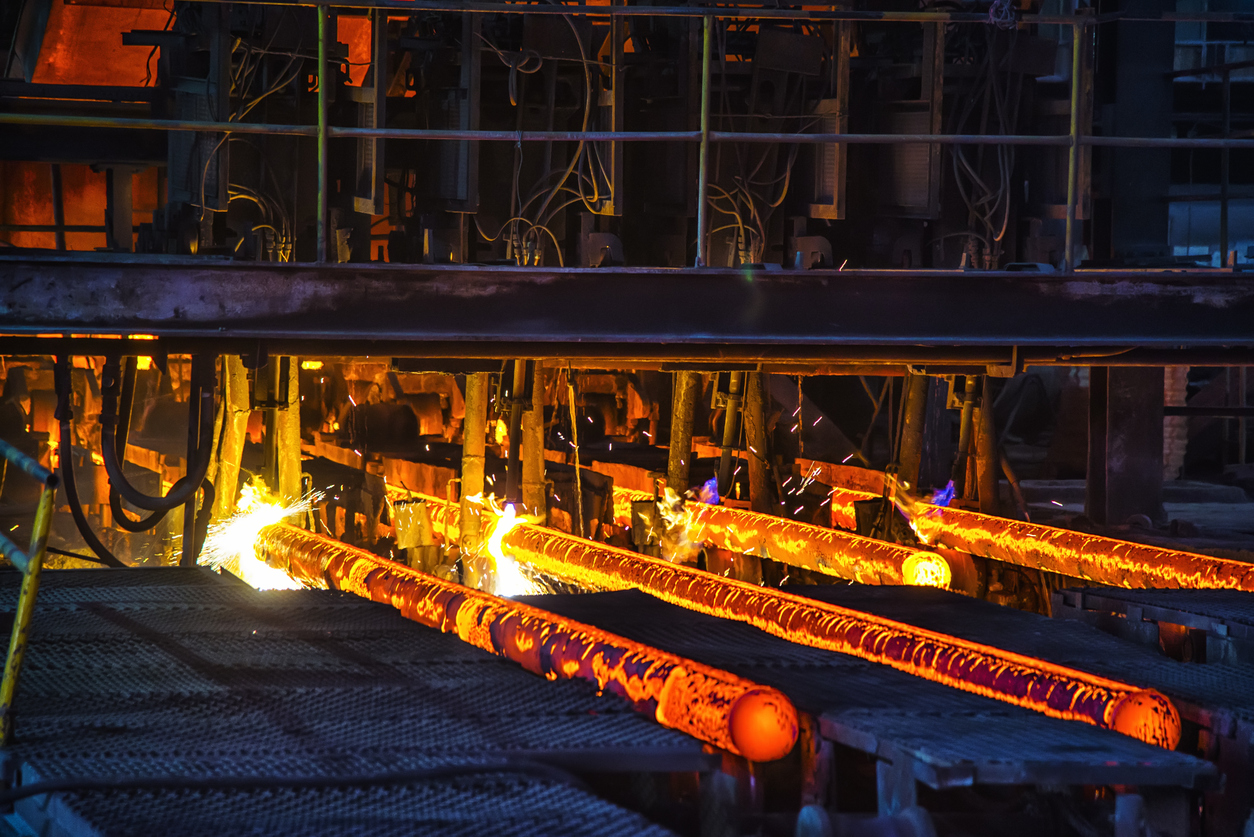
China has become one of the world’s leading manufacturers of industrial machinery, including advanced forging equipment used in automotive, aerospace, construction, oil and gas, and heavy engineering industries. For businesses seeking cost-effective and high-capacity production solutions, the decision to export forging machines from China offers significant advantages.
However, sourcing heavy industrial machinery internationally requires careful supplier verification, technical due diligence, compliance management, and logistics planning. This guide explains how to buy and export forging machines from China efficiently, and how Wigmore Trading supports businesses throughout the process.
Why Export Forging Machines from China?
China’s forging machinery sector has evolved significantly over the past two decades. Today, Chinese manufacturers produce a wide range of forging equipment, including:
-
Hydraulic forging presses
-
Mechanical forging presses
-
Screw presses
-
Ring rolling machines
-
Hot and cold forging machines
-
Upsetting machines
-
Automated forging production lines
The main reasons companies choose to export forging machines from China include:
-
Competitive pricing compared to European and North American suppliers
-
Large production capacity for bulk or custom orders
-
Increasing technological sophistication and automation
-
Availability of customized solutions
-
Integration with CNC systems and smart manufacturing platforms
For importers in Africa, the Middle East, and emerging markets, Chinese forging machines often provide a balance between performance and affordability.
Key Considerations Before You Export Forging Machines from China
Purchasing industrial forging equipment is a major capital investment. Before placing an order, buyers must evaluate several critical factors.
Technical Specifications and Production Requirements
When planning to export forging machines from China, clearly define:
-
Required tonnage capacity
-
Forging type (open-die, closed-die, hot, cold)
-
Production output targets
-
Automation level
-
Energy consumption requirements
-
Spare parts availability
Matching machine capacity to your operational needs prevents underperformance or unnecessary overspending.
Supplier Verification and Quality Assurance
China has thousands of machinery manufacturers, ranging from large state-owned enterprises to smaller private factories. Not all suppliers operate at the same technical or quality standards.
Due diligence should include:
-
Factory audits
-
Verification of ISO certifications
-
Review of CE or other compliance documentation
-
Inspection of previous export history
-
Reference checks
Wigmore Trading assists buyers by conducting supplier screening, factory assessments, and third-party inspections to reduce procurement risk.
Compliance and Import Regulations
Heavy machinery imports are subject to:
-
Safety standards
-
Electrical compliance regulations
-
Customs documentation requirements
-
Import duties and taxes
-
Environmental and industrial certifications
Failure to manage documentation correctly can result in costly delays at port. When you export forging machines from China, all shipping documents, commercial invoices, packing lists, certificates of origin, and inspection reports must align with the destination country’s requirements.
Wigmore Trading supports clients by ensuring regulatory compliance and preparing accurate export documentation.
Logistics and Freight When You Export Forging Machines from China
Forging machines are large, heavy, and often oversized cargo. Transportation planning must consider:
-
Machine dimensions and weight
-
Disassembly requirements
-
Containerized vs breakbulk shipping
-
Port handling capabilities
-
Inland transport at destination
Improper packaging or loading can damage sensitive hydraulic or mechanical systems.
Professional freight coordination includes:
-
Secure crating and protective packaging
-
Load balancing
-
Marine insurance coverage
-
Customs brokerage coordination
-
Port-to-site delivery management
Wigmore Trading manages international freight, customs clearance, and last-mile logistics to ensure machinery arrives safely and on schedule.
Cost Structure When Exporting Forging Machines from China
Understanding the full landed cost is essential before finalizing a purchase. Costs typically include:
-
Machine base price
-
Tooling and customization
-
Export packaging
-
Inland transport in China
-
Ocean freight
-
Insurance
-
Import duties and VAT
-
Installation and commissioning
Buyers should also factor in:
-
Spare parts inventory
-
Operator training
-
After-sales technical support
A transparent procurement partner helps calculate total landed cost and avoid hidden expenses.
Risk Management in Industrial Machinery Sourcing
When businesses export forging machines from China without professional oversight, common risks include:
-
Incorrect technical specifications
-
Delayed production schedules
-
Substandard materials
-
Miscommunication on customization
-
Incomplete documentation
Structured project management reduces these risks. Wigmore Trading coordinates communication between buyer and manufacturer, monitors production timelines, arranges inspections, and ensures pre-shipment verification.
This integrated approach strengthens supply chain reliability and protects capital investment.
After-Sales Support and Spare Parts Planning
Industrial forging equipment requires long-term maintenance planning. Before export, buyers should confirm:
-
Warranty coverage
-
Spare parts lead times
-
Technical manuals in English
-
Remote troubleshooting availability
-
On-site installation support options
Wigmore Trading helps clients negotiate clear service agreements and secure spare parts supply to minimize operational downtime.
Export Forging Machines from China to African Markets
Many African manufacturers are upgrading production capabilities in sectors such as automotive components, agricultural equipment, construction materials, and infrastructure fabrication.
Exporting forging machines from China can:
-
Strengthen local manufacturing capacity
-
Reduce dependence on imported finished metal products
-
Improve production efficiency
-
Support industrialization initiatives
With experience in African trade logistics and compliance procedures, Wigmore Trading facilitates smooth machinery imports into regional markets.
Conclusion
Choosing to export forging machines from China can offer substantial cost savings and production advantages for manufacturers worldwide. However, heavy industrial machinery procurement demands careful supplier verification, technical clarity, compliance management, and logistics coordination.
A structured sourcing and logistics strategy reduces risk and ensures equipment performs as expected once installed.
Wigmore Trading can help. Contact Wigmore Trading today to streamline your sourcing.



Comments are closed.