
Understanding Laws on Carrying Weapons in Nigeria: A Practical Guide for Businesses and Individuals
Talk to us about this service
Trade, import, logistics, sourcing — whatever you're planning, the fastest way to a quote is a WhatsApp message. Our team replies during Lagos business hours.
WhatsApp usYour message tells us which page you came from
Navigating the laws on carrying weapons in Nigeria is essential for businesses, logistics operators, and individuals involved in trade, security, and distribution. Nigeria maintains strict regulations on weapons possession to ensure public safety, and non-compliance can result in serious legal consequences. For companies operating across supply chains—especially in import/export, FMCG distribution, and logistics—understanding these laws is critical for compliance and risk management.
Overview of Weapons Regulations in Nigeria
Nigeria’s primary legal framework governing weapons is the Firearms Act (Cap F28 Laws of the Federation of Nigeria). This law regulates the possession, use, and transfer of firearms and other weapons. It applies to individuals, private security firms, and businesses operating in sensitive environments.
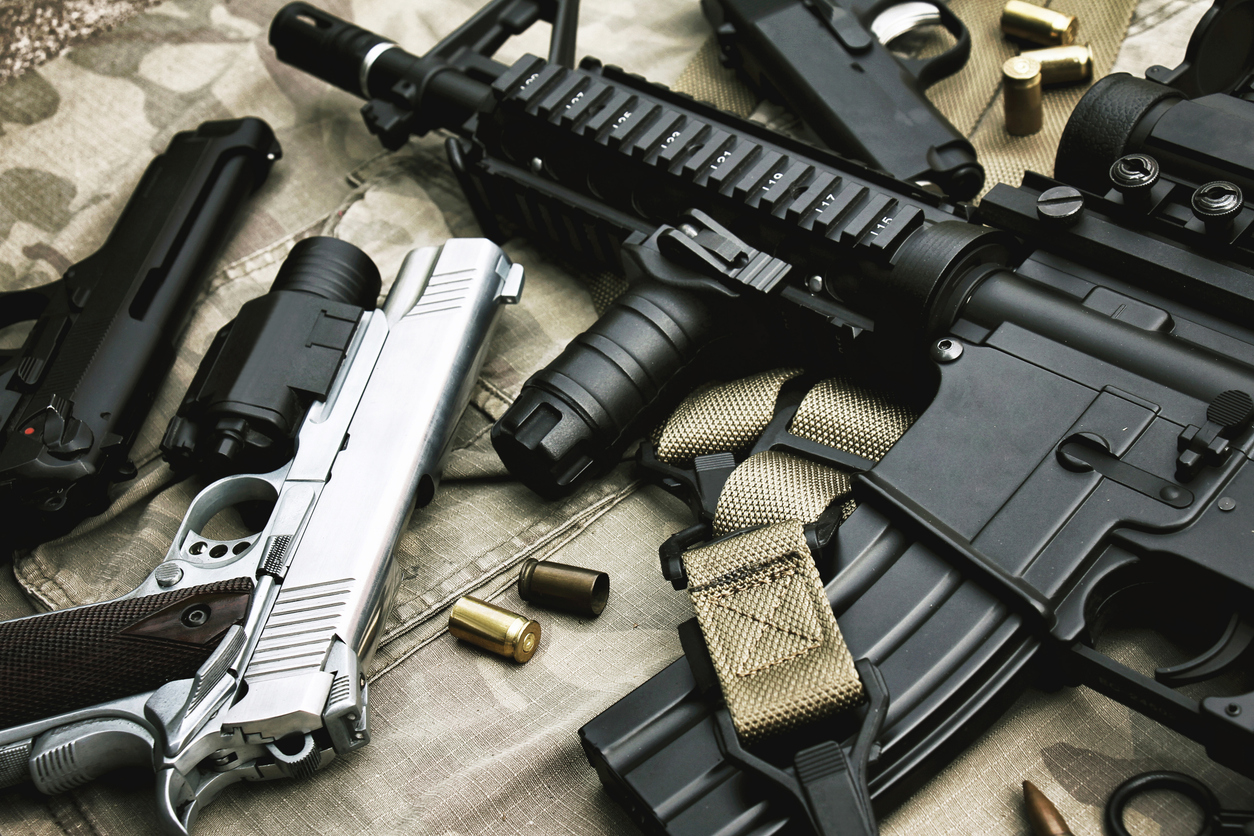
Under Nigerian law, weapons are broadly categorised into:
- Prohibited firearms (e.g., automatic weapons, military-grade arms)
- Controlled firearms (e.g., shotguns, hunting rifles)
- Other offensive weapons (e.g., knives, machetes, and improvised weapons when carried with intent to harm)
Possession of prohibited firearms is illegal under all circumstances, while controlled firearms require proper licensing.
Licensing Requirements for Carrying Weapons
Legal Process for Firearm Ownership
To legally carry certain firearms in Nigeria, individuals or entities must obtain a license from the Inspector-General of Police. The process typically involves:
- Submitting a formal application
- Providing valid identification and background checks
- Demonstrating a legitimate reason (e.g., security, hunting)
- Undergoing police vetting and approval
Licenses are granted selectively and must be renewed periodically. Carrying a firearm without a valid license is a criminal offence.
Restrictions for Businesses and Logistics Operators
Companies involved in transportation, warehousing, or distribution are not permitted to arm staff independently. Instead, they must rely on:
- Licensed private security firms
- Police escorts for high-value or sensitive cargo
- Approved security protocols for risk mitigation
For example, logistics firms moving goods across regions with security concerns must coordinate with law enforcement rather than equipping drivers or staff with weapons.
Laws on Carrying Weapons in Nigeria in Public Spaces
Carrying weapons in public—whether firearms or other offensive tools—is tightly controlled. Even items like knives or machetes can be considered illegal if carried without a legitimate purpose.
Key Legal Considerations
- Intent matters: Carrying tools for trade (e.g., agricultural use) is generally acceptable, but possession in public without justification may lead to arrest.
- Concealed weapons: Unauthorized concealed carry is prohibited.
- Urban vs rural context: Enforcement may vary, but the law applies uniformly across Nigeria.
For businesses operating in urban distribution networks, ensuring that staff do not carry unauthorized items is part of compliance and corporate responsibility.
Penalties for Non-Compliance
Violating Nigeria’s weapons laws can lead to severe consequences, including:
- Imprisonment
- Heavy fines
- Confiscation of goods or vehicles
- Reputational damage for businesses
For importers and distributors, legal violations can disrupt supply chains, delay shipments, and affect regulatory standing with authorities.
Compliance Strategies for Businesses
Risk Management in Supply Chains
Companies operating in Nigeria should adopt structured security and compliance strategies:
- Conduct risk assessments for transport routes and storage facilities
- Engage licensed security providers rather than informal arrangements
- Train staff on legal boundaries and safety protocols
- Maintain documentation for all security operations
Role of Professional Trade Partners
Working with experienced partners can significantly reduce compliance risks. Wigmore Trading, for example, supports businesses with:
- Secure sourcing and distribution planning
- Coordination with licensed logistics and security providers
- Guidance on regulatory compliance in Nigerian trade environments
This ensures that companies focus on operational efficiency without violating local laws.
Import and Export Considerations
The laws on carrying weapons in Nigeria also extend to import/export activities. Importing firearms or related equipment requires:
- Special permits from Nigerian authorities
- Compliance with customs regulations
- Documentation verifying end-use and ownership
Unauthorized importation of weapons is strictly prohibited and treated as a serious offence. Businesses involved in international trade must ensure all shipments comply with Nigerian customs and security laws.
Conclusion
Understanding the laws on carrying weapons in Nigeria is essential for maintaining legal compliance and operational continuity. Whether you are an individual, logistics provider, or trading company, adherence to these regulations helps prevent legal risks and supports safer business environments.
For companies operating in Nigeria’s dynamic trade and distribution sectors, working with experienced partners can simplify compliance and enhance security planning.
Wigmore Trading can help. Contact Wigmore Trading today to streamline your sourcing and ensure compliant, secure operations.
No Comments Yet.




Comments are closed.