
Cross-Border Banking Advisory in West Africa: Managing Financial Complexity in Regional Trade

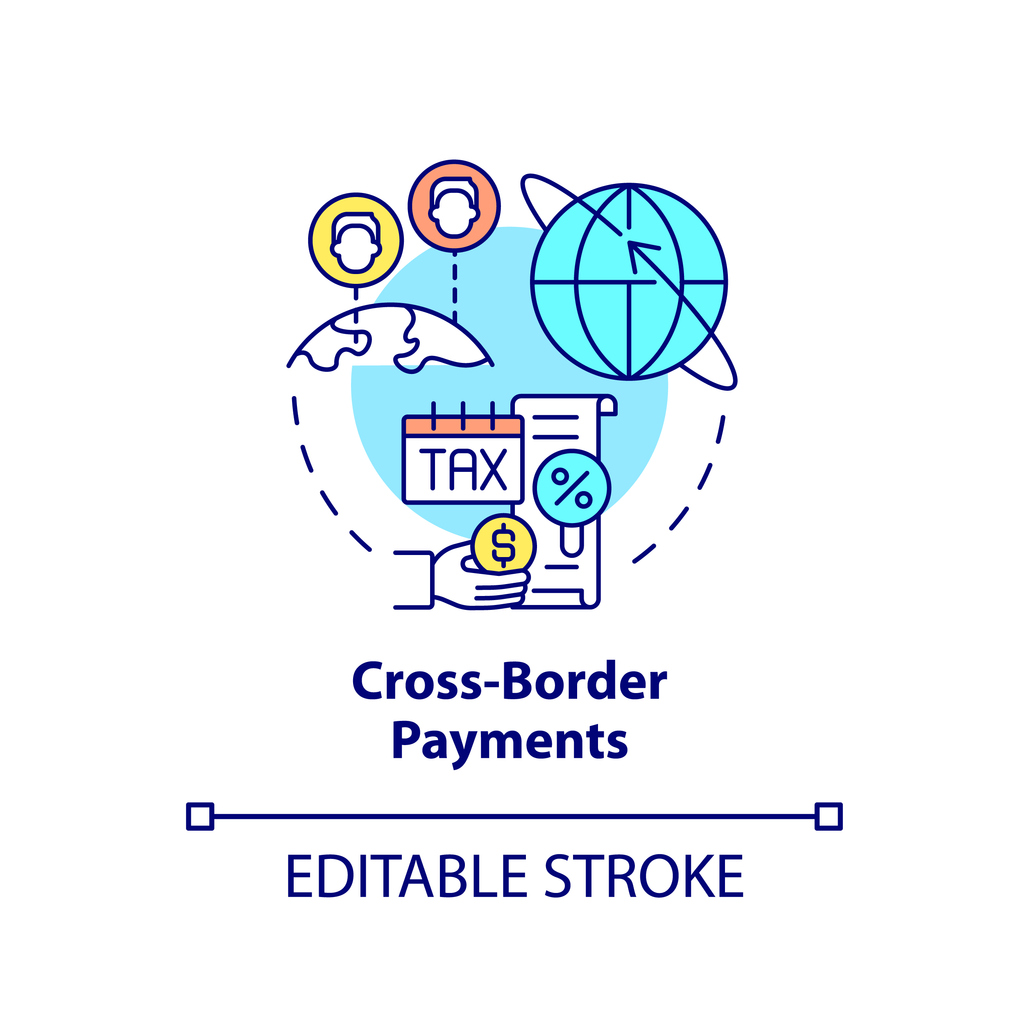
Expanding across borders in West Africa presents significant commercial opportunity. With regional trade increasing under ECOWAS frameworks and the African Continental Free Trade Area (AfCFTA), businesses are actively pursuing multi-country operations. However, managing financial flows across jurisdictions requires specialist expertise.
Cross-border banking advisory in West Africa plays a critical role in helping importers, exporters, distributors, and investors navigate regulatory, currency, and compliance challenges efficiently.
Understanding Cross-Border Banking Advisory in West Africa
Cross-border banking advisory in West Africa refers to professional financial guidance that helps businesses structure, manage, and optimise banking relationships across multiple countries within the region.
West Africa consists of diverse financial systems. Eight countries operate under the West African Economic and Monetary Union (WAEMU) using the CFA franc, while others such as Nigeria and Ghana maintain independent currencies and central banking regulations. This creates differences in:
-
Foreign exchange controls
-
Capital repatriation rules
-
Banking documentation requirements
-
Trade finance regulations
-
Anti-money laundering (AML) compliance standards
Without informed advisory support, businesses can face delays in payments, blocked transactions, unexpected fees, or regulatory breaches.
Key Challenges in Cross-Border Banking in West Africa
Currency and Foreign Exchange Restrictions
Foreign exchange controls vary significantly across West African markets. Nigeria, for example, maintains strict FX management policies, while WAEMU countries benefit from currency stability tied to the euro.
Businesses involved in import/export operations must manage:
-
Currency conversion risks
-
Access to hard currency for trade payments
-
Repatriation of profits
-
Exchange rate volatility
Cross-border banking advisory in West Africa helps companies design FX strategies, structure trade payments efficiently, and minimise currency exposure.
Regulatory and Compliance Complexity
Each country maintains its own banking compliance framework. Differences in Know Your Customer (KYC) requirements, documentation standards, and reporting obligations can complicate regional operations.
For distributors operating across Nigeria, Ghana, Côte d’Ivoire, and Senegal, aligning banking documentation with multiple regulators requires careful coordination.
An experienced advisory approach ensures compliance while avoiding unnecessary operational delays.
Trade Finance and Payment Structuring
Importers and exporters rely on letters of credit, documentary collections, and open account terms. However, not all banking institutions across West Africa offer consistent trade finance instruments.
Cross-border banking advisory in West Africa assists businesses in:
-
Selecting suitable banking partners
-
Structuring letters of credit properly
-
Managing correspondent banking relationships
-
Reducing transaction costs
This is particularly important for FMCG distributors, agricultural exporters, and commodity traders managing large transaction volumes.
Why Cross-Border Banking Advisory Matters for Importers and Distributors
For wholesale distributors and supply chain operators, banking inefficiencies can directly affect inventory flow. Delayed supplier payments may disrupt shipments. Currency shortages may affect procurement schedules.
Businesses sourcing goods from Asia, Europe, or intra-African markets require structured payment timelines and reliable banking coordination.
Wigmore Trading supports clients not only in sourcing and logistics but also in ensuring that payment structures align with shipment schedules, customs documentation, and supplier agreements. Coordinating financial processes with physical supply chains reduces risk and improves operational stability.
Risk Mitigation Through Structured Banking Strategy
Effective cross-border banking advisory in West Africa is not limited to opening accounts in multiple countries. It involves designing a structured financial strategy that addresses:
-
Multi-currency account management
-
Treasury centralisation
-
Cash flow forecasting
-
Cross-border tax considerations
-
Banking partner diversification
Businesses expanding into multiple ECOWAS markets benefit from consolidating treasury oversight while maintaining local compliance.
Advisory services can also support due diligence when selecting local banking partners, ensuring reliability and regulatory standing.
Supporting Regional Expansion Under AfCFTA
The African Continental Free Trade Area is encouraging regional integration, but financial systems remain fragmented. Businesses expanding under AfCFTA frameworks must ensure their banking infrastructure can support:
-
Increased transaction volumes
-
Regional supplier networks
-
Multi-country warehousing and distribution
-
Cross-border capital allocation
Wigmore Trading works with clients expanding across West Africa by aligning sourcing strategies, logistics planning, and compliance management with structured financial coordination. While banking remains a specialised function, supply chain and financial operations must operate in sync to prevent bottlenecks.
Choosing the Right Cross-Border Banking Advisory Partner in West Africa
When selecting cross-border banking advisory in West Africa, businesses should look for:
-
Regional regulatory expertise
-
Experience with trade finance instruments
-
Strong knowledge of FX management
-
Understanding of import/export documentation
-
Practical coordination with logistics operations
Advisory solutions must be commercially grounded and aligned with real trade flows, not theoretical frameworks.
For companies involved in wholesale distribution, FMCG imports, commodity exports, and infrastructure projects, integrated financial planning reduces operational risk and improves competitiveness.
Conclusion
Cross-border banking advisory in West Africa is essential for businesses operating across multiple jurisdictions. With varying currency systems, regulatory requirements, and foreign exchange controls, structured financial guidance ensures compliance, liquidity stability, and smooth trade execution.
For importers, exporters, and distributors navigating regional expansion, financial strategy must align with supply chain operations. Integrated advisory support reduces payment delays, mitigates currency risk, and strengthens banking relationships across borders.
Wigmore Trading can help. Contact Wigmore Trading today to streamline your sourcing.






Comments are closed.