
How Cuba Can Replace Venezuelan Oil Supply: Strategic Pathways for Energy Stability

Talk to us about this service
Trade, import, logistics, sourcing — whatever you're planning, the fastest way to a quote is a WhatsApp message. Our team replies during Lagos business hours.
WhatsApp usYour message tells us which page you came from
Cuba’s long-standing reliance on Venezuelan oil has created a structural vulnerability in its energy sector. As Venezuela’s production capacity has declined due to economic and operational challenges, Cuba faces increasing pressure to diversify its energy sources. Understanding how Cuba can replace Venezuelan oil supply is essential for ensuring energy security, stabilising domestic industries, and maintaining economic resilience.
This article explores practical strategies Cuba can adopt, alongside how international trade partners such as Wigmore Trading can support sourcing, logistics, and supply chain efficiency.
Understanding Cuba’s Dependence on Venezuelan Oil Supply
For years, Venezuela has been Cuba’s primary oil supplier under preferential agreements. These arrangements allowed Cuba to import crude oil on favourable terms, supporting electricity generation, transportation, and industrial activity.
However, reduced Venezuelan output and shifting geopolitical conditions have disrupted this supply. As a result, Cuba must now identify alternative energy partners and strengthen its procurement strategies.
Diversifying Oil Import Sources
A key step in addressing how Cuba can replace Venezuelan oil supply is diversification. Relying on a single supplier increases exposure to external shocks.
Cuba can explore partnerships with:
- Russia and Algeria, both established oil exporters with existing ties to Cuba
- Mexico, which has periodically supplied fuel to Caribbean nations
- West African producers such as Nigeria or Angola, offering competitive crude options
Diversification requires efficient sourcing, contract negotiation, and logistics coordination. Wigmore Trading can assist by facilitating supplier identification, managing procurement processes, and ensuring reliable delivery across international routes.
Expanding Renewable Energy Capacity
Reducing dependency on imported oil is equally important. Cuba has significant potential in renewable energy, particularly in:
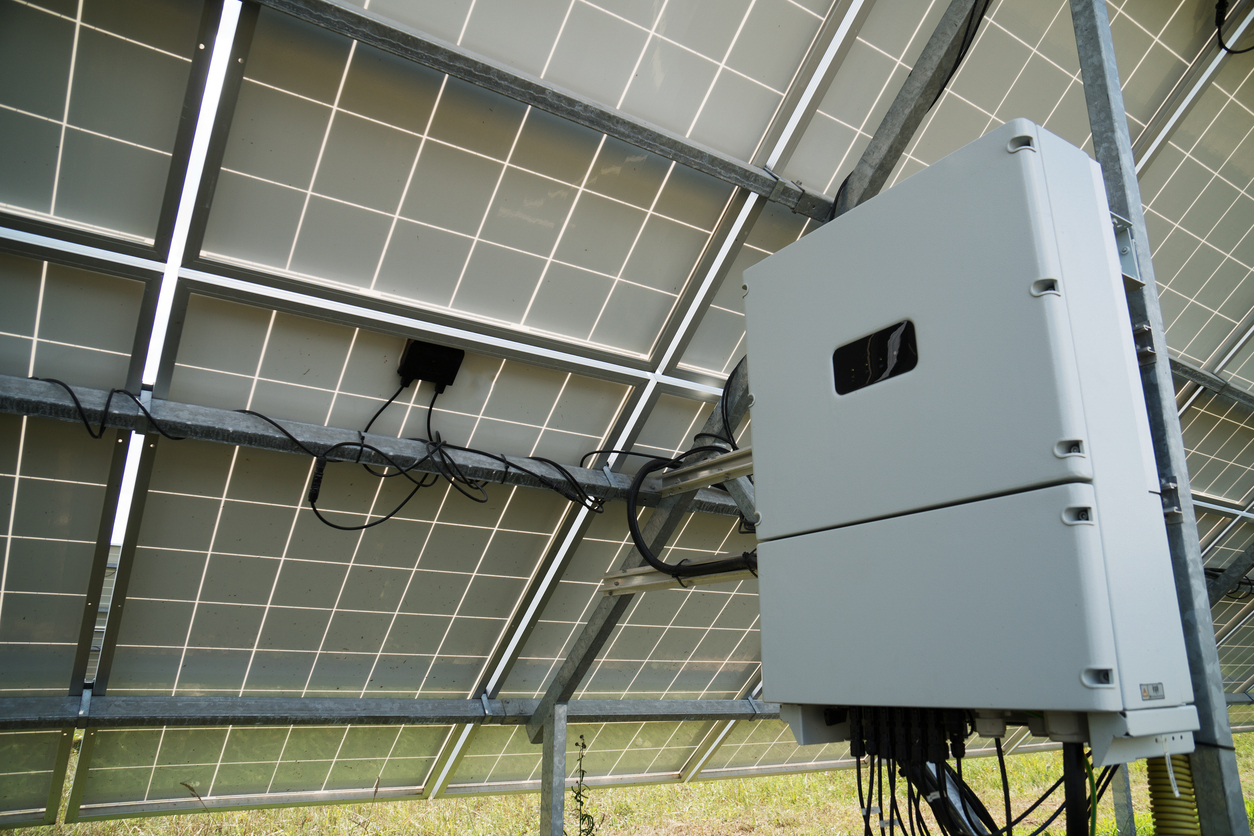
- Solar power, given its high levels of sunshine
- Wind energy, especially in coastal regions
- Biomass, leveraging sugarcane by-products
Investing in renewables helps reduce long-term import costs and improves energy independence. While the transition requires upfront investment and infrastructure development, it offers a sustainable solution to supply instability.
From a supply chain perspective, sourcing renewable energy equipment and managing imports of solar panels, turbines, and related components requires careful logistics planning—areas where Wigmore Trading can provide structured support.
Improving Energy Efficiency Across Industries
Another practical approach to replacing Venezuelan oil supply is reducing overall demand. Energy efficiency measures can significantly lower consumption without compromising productivity.
Key sectors to target include:
- Manufacturing, through modernised equipment
- Transport, via fuel-efficient vehicles and systems
- Residential energy use, by upgrading appliances and infrastructure
Efficient distribution of energy resources also plays a role. Strengthening logistics networks ensures fuel is used optimally and reduces waste across the supply chain.
Strengthening Regional Trade and Partnerships
Cuba can benefit from deeper engagement with regional trade networks. Caribbean and Latin American partnerships can provide access to shared resources, storage facilities, and coordinated supply chains.
Regional cooperation may include:
- Joint fuel procurement agreements
- Shared shipping and storage infrastructure
- Cross-border energy projects
Working with experienced trading partners ensures that these arrangements are structured effectively. Wigmore Trading’s expertise in cross-border logistics and compliance can help streamline such partnerships, ensuring consistent and compliant fuel imports.
Addressing Logistics and Infrastructure Challenges
Replacing Venezuelan oil supply is not only about sourcing crude—it also involves efficient transportation, storage, and distribution.
Cuba faces several logistical challenges:
- Limited port capacity and storage facilities
- Aging infrastructure affecting fuel distribution
- Complex import regulations and compliance requirements
Addressing these issues requires coordinated supply chain management. Reliable partners can support:
- Freight forwarding and shipping coordination
- Customs clearance and regulatory compliance
- Warehousing and distribution optimisation
Wigmore Trading can help bridge these gaps by offering end-to-end logistics solutions tailored to energy imports and industrial supply chains.
Ensuring Financial and Contractual Stability
Securing alternative oil supplies often involves negotiating new payment terms and contracts. Cuba must balance affordability with reliability, particularly when engaging with multiple suppliers.
Structured procurement strategies—such as long-term contracts or blended sourcing—can reduce price volatility and ensure consistent supply. Experienced trading partners can assist in structuring these agreements and managing supplier relationships effectively.
Conclusion
Understanding how Cuba can replace Venezuelan oil supply requires a multi-faceted approach. Diversifying import sources, investing in renewable energy, improving efficiency, and strengthening logistics infrastructure are all critical components of a sustainable energy strategy.
While the transition presents challenges, it also creates opportunities to build a more resilient and diversified energy system. With the right sourcing strategies and supply chain support, Cuba can reduce its dependence on a single supplier and secure long-term energy stability.
Wigmore Trading can help. Contact Wigmore Trading today to streamline your sourcing.
No Comments Yet.





Comments are closed.