
How Dubai DIFC Fund Formation is Unlocking Investment Opportunities in Nigeria

Nigeria is one of Africa’s largest economies and a key destination for private capital, infrastructure funding, and cross-border investment. As global investors seek structured and internationally recognised frameworks for managing capital flows into African markets, Dubai DIFC fund formation in Nigeria has become an increasingly relevant topic.
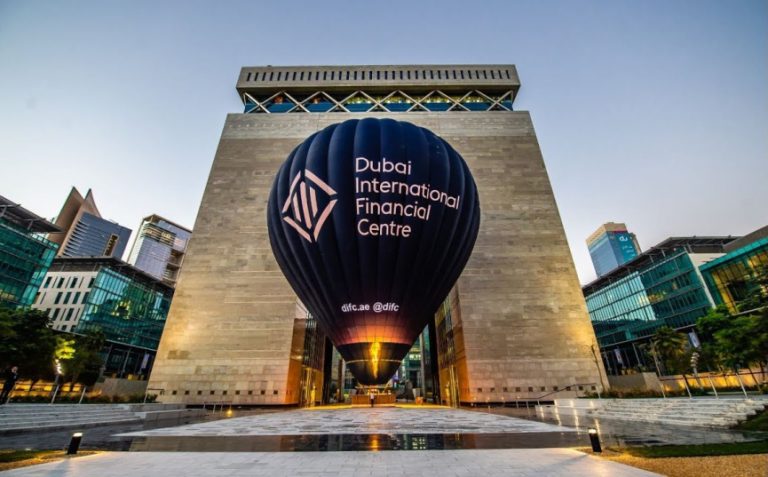
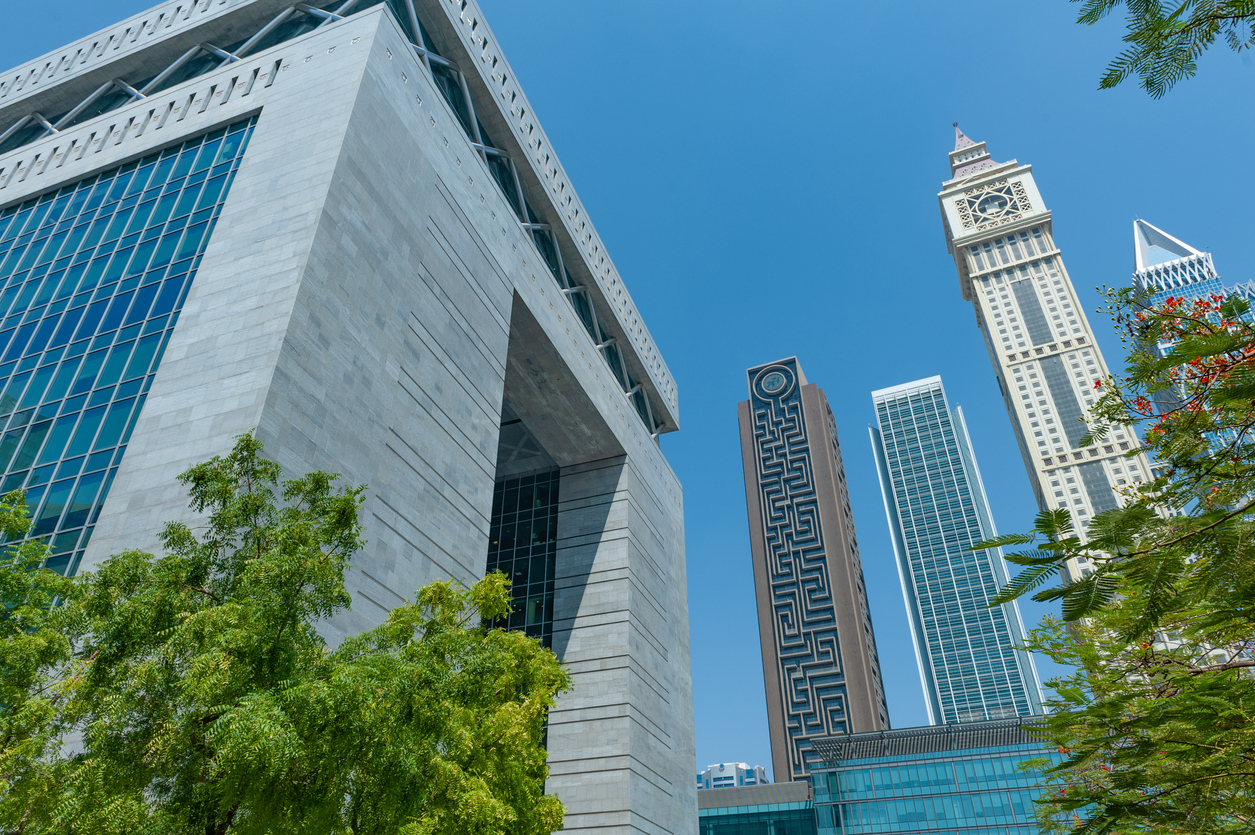
The Dubai International Financial Centre (DIFC) offers a sophisticated regulatory environment for investment funds, asset managers, and financial institutions. When combined with Nigeria’s growing demand for capital in sectors such as FMCG, logistics, agriculture, and trade, DIFC-based fund structures can provide an effective gateway for international investment into the Nigerian market.
Understanding how DIFC fund structures work and how they can support investment activity in Nigeria is essential for investors, asset managers, and businesses seeking scalable capital solutions.
Understanding Dubai DIFC Fund Formation in Nigeria
DIFC is one of the leading financial hubs connecting the Middle East, Africa, and South Asia. It provides a well-regulated financial ecosystem governed by the Dubai Financial Services Authority (DFSA), offering fund structures that are attractive to global investors.
In the context of Dubai DIFC fund formation in Nigeria, the concept typically involves establishing a regulated investment fund within DIFC that allocates capital to Nigerian businesses, projects, or trade opportunities.
These funds can take several forms, including:
-
Private equity funds targeting Nigerian growth sectors
-
Venture capital funds supporting startups and emerging industries
-
Trade finance funds facilitating import/export activities
-
Infrastructure or logistics investment vehicles
The advantage of this structure is that investors benefit from a stable international financial framework while gaining exposure to opportunities within Nigeria’s expanding economy.
Why Investors Are Considering Dubai DIFC Fund Formation in Nigeria
Several factors are driving interest in DIFC-based funds targeting Nigeria.
Access to Global Capital
DIFC is home to a large network of institutional investors, family offices, and sovereign wealth funds. Structuring funds through DIFC allows fund managers to attract international capital while directing investment toward Nigerian opportunities.
Strong Regulatory Framework
The DFSA provides a transparent regulatory system that many global investors prefer when deploying funds into emerging markets. This regulatory confidence is one reason Dubai DIFC fund formation in Nigeria is gaining attention among cross-border investors.
Strategic Gateway to African Markets
Dubai has positioned itself as a financial bridge between global capital markets and Africa. For investors seeking diversified exposure to sectors such as agriculture, consumer goods distribution, and logistics in Nigeria, DIFC-based structures provide an efficient route.
Key Investment Sectors for DIFC Funds Targeting Nigeria
Nigeria offers strong potential across several industries where structured funds can play a significant role.
Trade and Import/Export
Nigeria imports large volumes of consumer goods, industrial inputs, and food products. Funds structured through DIFC can provide working capital financing for importers and distributors operating across West Africa.
Companies involved in sourcing and distributing goods must also manage logistics, customs compliance, and supplier relationships. This is where experienced trade partners such as Wigmore Trading can support businesses with sourcing, procurement, and distribution across African markets.
FMCG and Consumer Distribution
Nigeria’s population of over 200 million people creates significant demand for consumer products. Investment funds targeting FMCG distribution networks, warehousing, and wholesale operations can benefit from strong long-term growth.
Through structured trade partnerships, companies can ensure that imported goods move efficiently through supply chains and reach wholesale and retail markets across the region.
Logistics and Infrastructure
Nigeria’s logistics sector continues to expand as demand grows for efficient port handling, inland transportation, and distribution infrastructure. DIFC-backed funds may invest in logistics companies, freight networks, or warehousing facilities that improve supply chain efficiency.
These investments are particularly important for businesses engaged in international trade and regional distribution.
Challenges in Structuring Dubai DIFC Fund Formation in Nigeria
While the opportunity is significant, investors must also consider practical challenges when structuring cross-border funds.
Regulatory and Compliance Requirements
Investors must comply with DFSA regulations in DIFC while also navigating Nigerian financial and investment regulations. Careful structuring and professional advisory support are essential.
Supply Chain Complexity
Investments targeting trade, import/export, and distribution must consider Nigeria’s logistics environment, customs processes, and supplier management.
Working with experienced trade partners can help mitigate operational risks and streamline sourcing and distribution processes.
Market Entry Strategy
Funds targeting Nigerian businesses should have a clear operational strategy that includes local partnerships, distribution capabilities, and supply chain expertise.
Companies like Wigmore Trading play an important role by helping investors and businesses source products, manage import processes, and establish reliable distribution channels within Nigeria.
The Role of Trade Partners in DIFC Investment Strategies
For investment funds targeting Nigeria’s trade and consumer sectors, operational execution is just as important as financial structuring.
Trade partners provide essential services including:
-
Global product sourcing
-
Import and export coordination
-
Supply chain management
-
Distribution and wholesale support
-
Compliance with local trade regulations
These capabilities allow investors to move from capital deployment to real commercial activity within the Nigerian market.
Wigmore Trading works with international suppliers, distributors, and investors to ensure that goods move efficiently from source markets to African consumers.
Conclusion
The increasing interest in Dubai DIFC fund formation in Nigeria reflects the growing connection between global financial centres and African economic opportunities. DIFC provides a strong regulatory platform for investment funds, while Nigeria offers substantial growth potential across trade, logistics, consumer goods, and infrastructure sectors.
However, successful investment strategies require more than capital. They depend on efficient sourcing, reliable supply chains, and experienced trade partners who understand the complexities of African markets.
By combining structured investment vehicles with strong operational support, investors can unlock significant opportunities within Nigeria’s expanding economy.
Wigmore Trading can help. Contact Wigmore Trading today to streamline your sourcing, logistics, and distribution across African markets.





Comments are closed.