

Oil and Gas Trade Structuring in Nigeria: Key Considerations for Successful Transactions


Nigeria remains one of Africa’s most significant energy markets, with vast reserves of crude oil and natural gas. As global demand continues to shift and regulatory frameworks evolve, oil and gas trade structuring in Nigeria has become increasingly important for companies seeking to manage risk, ensure compliance, and maintain efficient supply chains.
Proper trade structuring helps businesses navigate regulatory requirements, financing arrangements, logistics challenges, and international trade considerations. For importers, exporters, and commodity traders, understanding how to structure oil and gas transactions effectively is essential to operating successfully in Nigeria’s complex energy sector.
Understanding Oil and Gas Trade Structuring in Nigeria
Oil and gas trade structuring in Nigeria refers to the financial, contractual, and logistical framework used to facilitate transactions involving crude oil, refined petroleum products, and natural gas. This includes designing agreements that define pricing mechanisms, payment terms, delivery conditions, regulatory compliance, and risk allocation between parties.
Trade structures often involve multiple stakeholders such as producers, traders, financial institutions, shipping companies, regulators, and distributors. Each transaction must account for international commodity pricing, local licensing requirements, and operational realities such as port infrastructure and transportation logistics.
A well-structured transaction ensures that all parties clearly understand their responsibilities while minimizing potential disputes or regulatory issues.
Regulatory Framework Affecting Oil and Gas Trade Structuring in Nigeria
Nigeria’s oil and gas sector is governed by a comprehensive regulatory framework designed to ensure transparency, environmental protection, and economic participation. The Petroleum Industry Act (PIA) has significantly reshaped the industry by introducing new regulatory bodies and clearer rules for licensing, production, and revenue management.
For companies involved in oil and gas trade structuring in Nigeria, compliance with regulatory agencies such as the Nigerian Upstream Petroleum Regulatory Commission (NUPRC) and the Nigerian Midstream and Downstream Petroleum Regulatory Authority (NMDPRA) is essential.
Key regulatory considerations typically include:
-
Import and export permits
-
Product quality and safety standards
-
Local content requirements
-
Tax and royalty obligations
-
Environmental compliance
Failure to address these requirements during the structuring phase can lead to delays, financial penalties, or shipment disruptions.
Financing and Risk Management in Oil and Gas Transactions
Energy trading often involves large transaction values, making financing arrangements a central component of oil and gas trade structuring in Nigeria. Traders and suppliers frequently rely on instruments such as letters of credit, structured trade finance, or prepayment agreements.
Risk management is also critical due to factors such as price volatility, shipping risks, and currency fluctuations. Common risk mitigation tools include:
-
Hedging through commodity markets
-
Performance guarantees
-
Insurance for cargo and shipping
-
Clear contractual terms governing delivery and pricing
Carefully structured contracts help protect all parties from financial losses while maintaining operational stability.
Logistics and Supply Chain Considerations
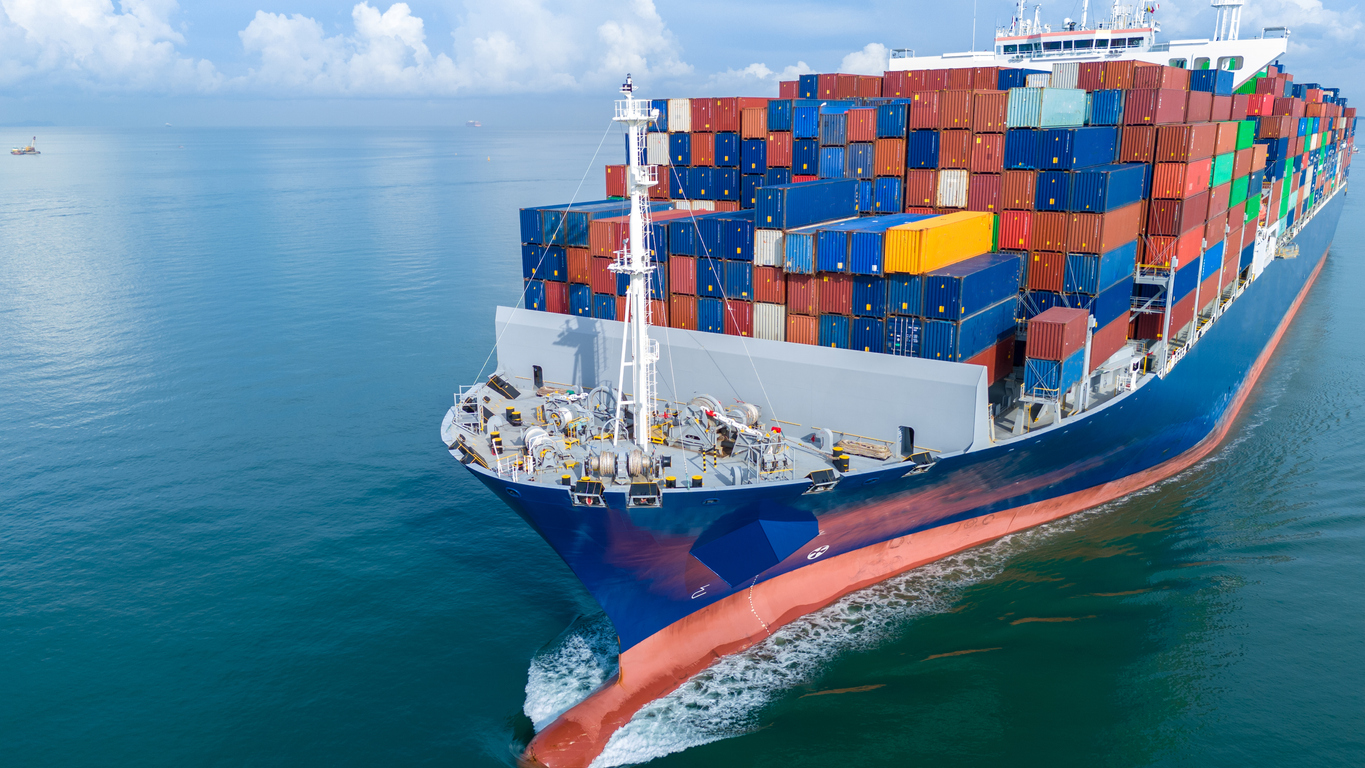
Efficient logistics planning is a key element of successful oil and gas trade structuring in Nigeria. Energy products must move through complex supply chains that include terminals, storage facilities, pipelines, and maritime transport.
Common logistical challenges in Nigeria include port congestion, limited storage capacity, and infrastructure bottlenecks. These factors can affect delivery timelines and increase operational costs if not addressed early in the transaction design.
Companies involved in international trade must also consider shipping documentation, customs procedures, and cargo handling requirements. Proper planning ensures that shipments move smoothly from origin to final destination.
The Role of Experienced Trade Partners
Because of the operational and regulatory complexity of the sector, many companies rely on experienced partners to support oil and gas trade structuring in Nigeria. Professional trading and supply chain partners can assist with sourcing products, managing logistics, and coordinating documentation across multiple jurisdictions.
For example, businesses entering the Nigerian market may require support with supplier verification, compliance procedures, and reliable product distribution networks. Working with established trading companies can reduce operational risks and improve transaction efficiency.
Wigmore Trading works with international partners and local stakeholders to help businesses navigate sourcing, logistics coordination, and supply chain management within Nigeria’s energy market.
Conclusion
Oil and gas trade structuring in Nigeria plays a crucial role in enabling efficient and compliant transactions within one of Africa’s most important energy sectors. Successful trade structures must account for regulatory requirements, financing arrangements, risk management strategies, and logistical realities.
Companies that approach these transactions with careful planning and experienced partners are better positioned to manage operational risks and capitalize on opportunities in Nigeria’s evolving energy market.
Wigmore Trading can help companies navigate sourcing, logistics coordination, and trade execution across Nigeria’s oil and gas supply chains.
Contact Wigmore Trading today to streamline your sourcing.




Comments are closed.