

Japan Long-Term Ammonia Fuel Import Security Planning in the Utilities Sector

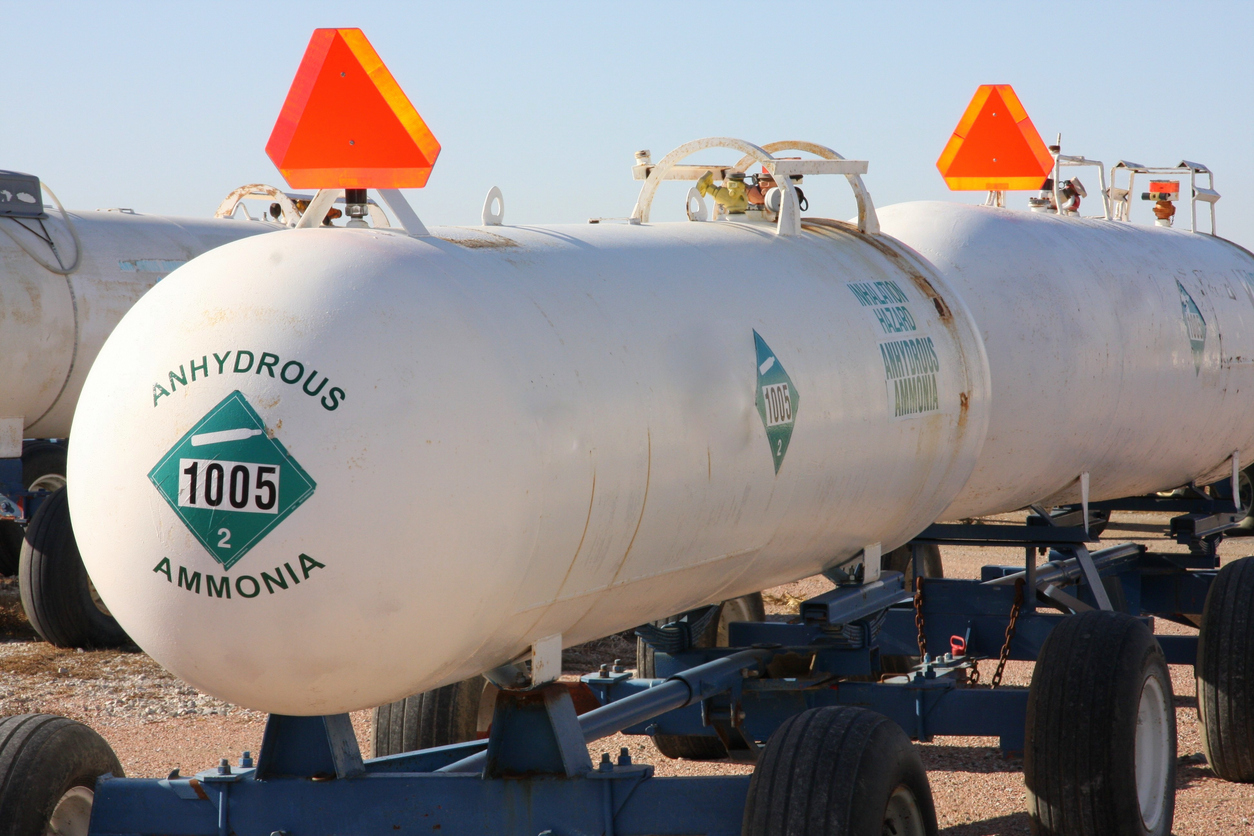
Japan’s utilities sector is accelerating efforts to secure long-term ammonia fuel imports as part of its broader energy transition strategy. With limited domestic fossil fuel resources and a strong commitment to decarbonisation, Japan is exploring ammonia as a stable, low-carbon fuel for power generation.
For utilities, the challenge is not only technological adoption but also securing reliable supply chains. Long-term ammonia fuel import security planning is therefore becoming a strategic priority for Japanese power companies, energy traders, and logistics partners.
Why Japan Is Investing in Ammonia Fuel Imports
Ammonia is gaining attention as a clean energy carrier because it can be co-fired with coal or used in dedicated power plants without producing carbon dioxide at the point of combustion. Japan’s government and utilities are investing heavily in ammonia infrastructure as part of the country’s carbon neutrality goals.
Several factors are driving the push toward ammonia imports:
-
Energy security concerns
-
Decarbonisation targets
-
Reduced reliance on LNG and coal
-
Growing international ammonia production capacity
Japan currently relies heavily on imported energy resources. Diversifying its energy mix through ammonia reduces exposure to supply disruptions in traditional fuel markets.
Utilities such as JERA and other large power producers are developing ammonia co-firing technologies while negotiating long-term supply agreements with producers in regions like the Middle East, Southeast Asia, and Australia.
Long-Term Ammonia Fuel Import Security Planning for Utilities
For Japan’s utilities sector, ammonia import security planning involves several interconnected factors: production partnerships, transportation logistics, storage infrastructure, and regulatory alignment.
Long-Term Supply Contracts
Utilities are prioritising multi-decade supply contracts with ammonia producers. These agreements ensure predictable fuel availability while supporting large-scale investment in production facilities abroad.
Countries with strong renewable energy potential are emerging as key ammonia exporters. Green ammonia production projects in Australia, Saudi Arabia, and Indonesia are expected to supply Japanese utilities over the coming decades.
Strategic Shipping and Logistics
Ammonia transportation requires specialised carriers and port infrastructure. Utilities and trading companies must therefore coordinate with global logistics providers to secure safe and reliable transport routes.
Efficient logistics planning includes:
-
Dedicated ammonia tankers
-
Specialised storage terminals
-
Safety compliance at receiving ports
-
Integrated supply chain monitoring
Companies involved in international commodity logistics, including firms experienced in chemical and energy product distribution, play a critical role in supporting these supply chains.
Wigmore Trading, for example, supports international trade flows by helping businesses manage sourcing, shipping coordination, and compliance processes across complex global supply networks.
Infrastructure Development in Japan
Domestic infrastructure is another critical element of ammonia fuel import security planning. Utilities are investing in:
-
Ammonia storage terminals
-
Import terminals at major ports
-
Power plant retrofits for ammonia co-firing
-
Safety and handling systems
These infrastructure investments help ensure that imported ammonia can be stored safely and distributed efficiently to power generation facilities across the country.
Lessons from Global Energy Security Challenges
Global energy shocks have demonstrated the importance of diversified supply chains. For example, recent discussions around India emergency energy procurement strategies highlighted how quickly countries may need to secure alternative energy sources during supply disruptions.
Japan is applying similar lessons to ammonia supply planning. By building diversified import partnerships and long-term agreements, utilities aim to reduce vulnerability to geopolitical risks or fuel shortages.
This proactive approach ensures that ammonia can serve as a stable transition fuel while renewable energy capacity continues to expand.
The Role of Global Trade and Supply Chain Partners
Large-scale ammonia imports require coordination between multiple stakeholders:
-
Energy producers
-
Commodity traders
-
Shipping companies
-
Storage terminal operators
-
Regulatory authorities
Supply chain partners that understand international commodity trade, port operations, and regulatory compliance can significantly reduce operational risks.
Companies operating in global trading and logistics sectors help facilitate smoother procurement and transportation processes. Wigmore Trading, for instance, assists businesses with sourcing strategies, international distribution planning, and compliance across complex cross-border supply chains.
This kind of support is particularly valuable in emerging energy markets where infrastructure, regulations, and logistics networks continue to evolve.
Outlook for Japan’s Ammonia Import Strategy
Japan’s long-term ammonia import security planning reflects a broader shift in global energy systems. As countries transition toward lower-carbon fuels, new supply chains are emerging that require careful coordination and investment.
Over the next decade, the utilities sector is expected to:
-
Expand ammonia co-firing capacity
-
Increase import volumes significantly
-
Develop international production partnerships
-
Invest in dedicated ammonia shipping fleets
By securing diversified supply channels and strengthening logistics infrastructure, Japan aims to position ammonia as a reliable component of its future energy mix.
Conclusion
Japan’s utilities sector is moving rapidly to establish secure, long-term ammonia fuel import systems as part of its energy transition strategy. Through international supply partnerships, infrastructure investment, and robust logistics planning, utilities are working to ensure consistent fuel availability while reducing carbon emissions.
As global energy markets evolve, effective sourcing and supply chain management will remain essential for maintaining energy security and operational stability.
Wigmore Trading can help. Contact Wigmore Trading today to streamline your sourcing and global supply chain operations.






Comments are closed.