
Indonesia LNG Import Emergency Bidding Process: What Suppliers Need to Know

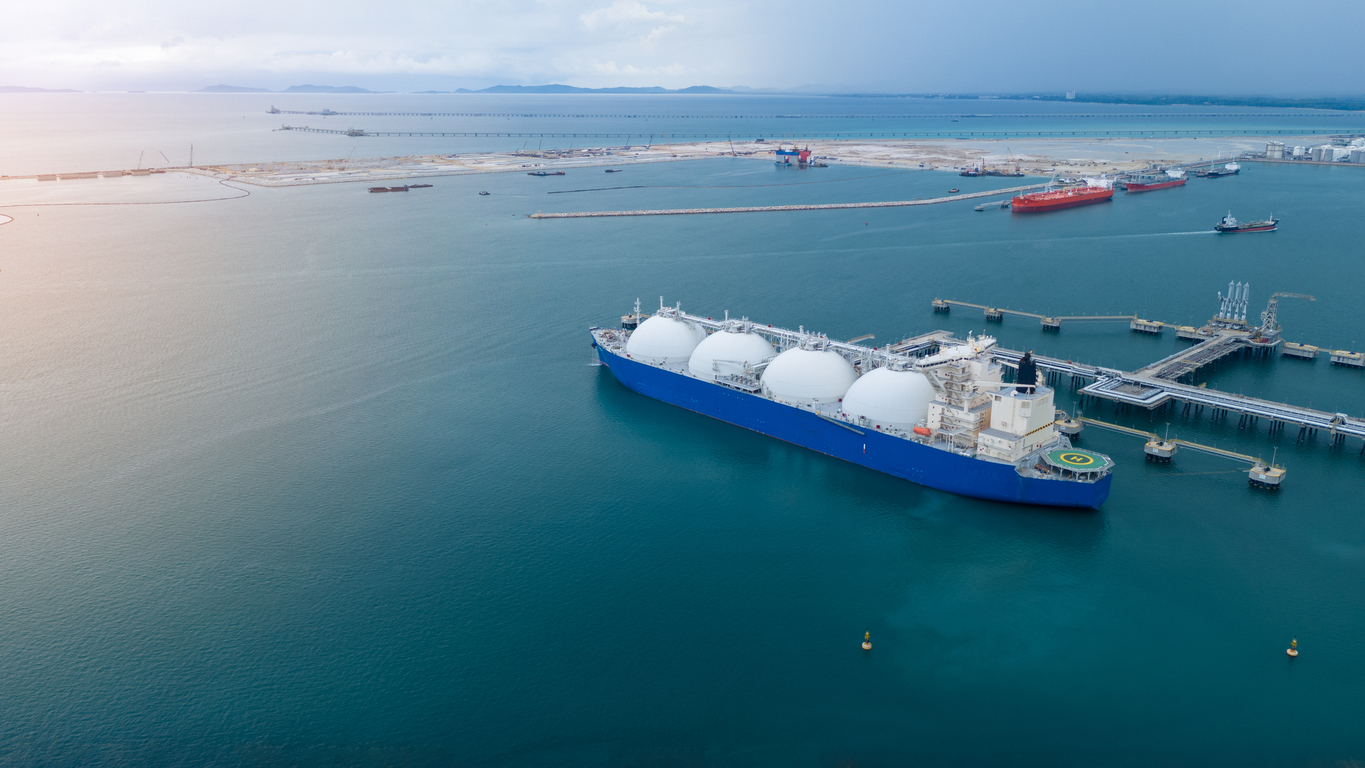
Indonesia is one of the world’s largest exporters of liquefied natural gas (LNG), yet the country is increasingly facing periods of domestic gas shortages. Rising power demand, declining natural gas production, and the expansion of gas-fired power plants have created situations where Indonesia may need to procure LNG imports on short notice.
In such cases, authorities may activate the Indonesia LNG import emergency bidding process, allowing state energy companies to rapidly source LNG cargoes through competitive tenders or spot market purchases. Understanding how this process works is essential for LNG suppliers, traders, and logistics providers looking to participate in the Indonesian energy market.
Why Indonesia May Need Emergency LNG Imports
Although Indonesia has historically been a major LNG exporter, domestic consumption has been growing rapidly. The country is expanding gas-fired power generation and replacing diesel fuel in many power plants to improve energy efficiency and reduce costs.
Several factors can trigger emergency LNG procurement:
-
Declining production from mature gas fields
-
Seasonal demand spikes in electricity consumption
-
Delays in domestic gas supply projects
-
Infrastructure constraints across Indonesia’s island network
-
Unexpected disruptions to local gas supply
Government officials have stated that LNG imports are generally considered only in emergency situations, with domestic supply prioritized whenever possible.
When shortages occur, Indonesia may procure LNG cargoes quickly through a competitive bidding or spot market process.
Key Institutions Involved in the Indonesia LNG Import Emergency Bidding Process
Several entities play critical roles in organizing and executing emergency LNG imports.
Ministry of Energy and Mineral Resources (ESDM)
The ministry oversees national energy policy and approves emergency LNG imports if domestic supply is insufficient. It may authorize procurement from international suppliers to maintain energy security.
PT PLN (Persero)
Indonesia’s state electricity company is the largest LNG buyer in the country. Through its fuel procurement arm, PT PLN Energi Primer Indonesia (PLN EPI), the company manages fuel supply for power plants and often leads LNG sourcing efforts.
PLN Energi Primer Indonesia (PLN EPI)
PLN EPI handles fuel procurement, logistics coordination, and tendering for LNG supplies used in electricity generation. It also works with international partners to strengthen LNG supply chains and ensure reliable delivery.
These organizations coordinate procurement strategies and determine whether LNG should be sourced domestically, through long-term contracts, or via emergency tenders.
How the Indonesia LNG Import Emergency Bidding Process Works
The emergency procurement framework is designed to secure LNG cargoes quickly while maintaining transparency and competitive pricing.
1. Supply Shortfall Assessment
The process begins when PLN or government agencies identify a gap between available gas supply and projected demand. This could be due to infrastructure disruptions, production declines, or rapid increases in electricity consumption.
Energy authorities then assess whether the shortfall can be addressed through domestic LNG allocations before considering imports.
2. Government Authorization
If domestic options are insufficient, the Ministry of Energy may approve emergency imports. In many cases, this authorization allows PLN EPI to procure LNG through short-term contracts or spot market purchases.
3. Tender Announcement or Direct Bidding
PLN EPI typically invites LNG suppliers to submit bids for cargo deliveries. Depending on urgency, this may take the form of:
-
A rapid competitive tender
-
Invitations to selected global LNG traders
-
Spot market cargo procurement
Suppliers must specify delivery windows, cargo volumes, and pricing formulas.
4. Bid Evaluation and Supplier Selection
Bids are evaluated based on several factors:
-
LNG price competitiveness
-
Delivery timeline and reliability
-
Shipping and logistics capability
-
Compliance with Indonesian energy regulations
Suppliers offering the most reliable and cost-effective cargo delivery are selected.
5. Contracting and Delivery
Once the winning supplier is chosen, a short-term purchase agreement is executed. LNG cargoes are then shipped to Indonesian receiving terminals or floating storage and regasification units (FSRUs) for distribution to power plants.
Logistics Challenges in Emergency LNG Imports
Executing LNG imports quickly can be complex due to Indonesia’s geography and infrastructure.
The country consists of thousands of islands, and LNG must often be delivered through a hub-and-spoke distribution system where major terminals supply smaller regasification facilities serving regional power plants.
Key logistics challenges include:
-
Limited LNG receiving capacity in remote areas
-
Coordinating shipping schedules across multiple terminals
-
Ensuring safe regasification and distribution infrastructure
-
Managing costs associated with small-scale LNG delivery
These factors make efficient supply chain coordination critical when emergency cargoes are required.
Opportunities for LNG Suppliers and Traders
The Indonesia LNG import emergency bidding process creates opportunities for:
-
Global LNG producers
-
Commodity trading firms
-
Shipping and chartering companies
-
LNG logistics providers
Suppliers with flexible cargo availability and strong maritime logistics capabilities are especially well positioned to participate in emergency tenders.
Because emergency procurement often occurs through short lead-time tenders or spot market deals, companies that can respond quickly with competitive pricing and reliable delivery schedules have a significant advantage.
How Wigmore Trading Supports LNG Procurement and Logistics
Participating in energy commodity procurement—especially in emergency situations—requires efficient coordination across sourcing, logistics, and regulatory compliance.
Wigmore Trading supports international commodity supply chains by helping businesses manage:
-
Supplier sourcing and contract negotiation
-
International trade documentation and compliance
-
Shipping coordination and freight logistics
-
Import and distribution support across global markets
For companies supplying LNG or related energy commodities, working with an experienced trade partner can help streamline procurement and ensure reliable delivery across complex international supply chains.
Conclusion
The Indonesia LNG import emergency bidding process is designed to ensure the country can maintain energy security when domestic gas supplies fall short. Through rapid tenders or spot market purchases, state energy companies can secure LNG cargoes quickly to support power generation across the archipelago.
As Indonesia’s electricity demand continues to grow and domestic gas production faces long-term challenges, emergency LNG procurement may become an increasingly important tool for maintaining supply stability.
Companies involved in LNG trading, shipping, and logistics should understand how these emergency tenders work in order to respond quickly when opportunities arise.
Wigmore Trading can help. Contact Wigmore Trading today to streamline your sourcing.





Comments are closed.