

North Africa Bread Subsidy Risk Assessment: What Wheat Importers Need to Know

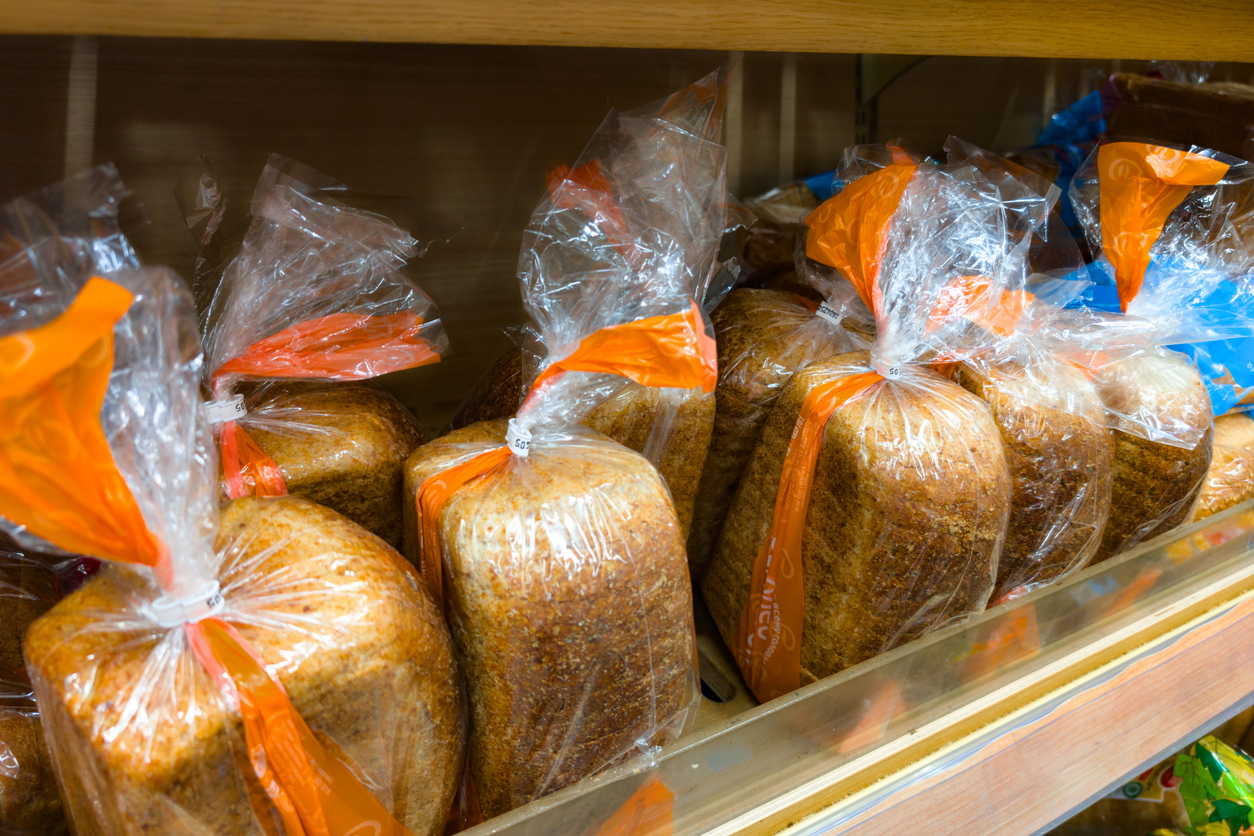
Bread subsidies play a critical role in maintaining food affordability and social stability across North Africa. Countries such as Egypt, Algeria, Morocco, and Tunisia have long relied on subsidy programs to ensure access to staple foods, particularly wheat-based bread. However, rising global grain prices, fiscal pressure on governments, and supply chain disruptions are forcing policymakers to reconsider the sustainability of these systems.
A North Africa bread subsidy risk assessment is increasingly important for food importers, distributors, and international trading partners. Understanding the risks tied to subsidy reforms, wheat imports, and supply logistics can help businesses navigate uncertainty and maintain stable supply chains.
Understanding the Importance of Bread Subsidies in North Africa
Bread is one of the most heavily subsidized food products in North Africa. Governments often regulate prices to ensure that basic bread remains affordable for the population. In countries like Egypt, subsidized bread programs support millions of households daily.
These subsidies typically work by:
-
Importing wheat through state purchasing agencies
-
Providing flour to bakeries at controlled prices
-
Selling bread to consumers below market cost
While this system helps prevent food insecurity, it places a significant financial burden on government budgets. Rising wheat prices and currency fluctuations can dramatically increase subsidy costs, making long-term sustainability difficult.
For businesses involved in agricultural trade or food distribution, these dynamics make North Africa bread subsidy risk assessment a key factor when planning supply strategies.
Key Drivers Behind North Africa Bread Subsidy Risk
Several economic and geopolitical factors are increasing pressure on bread subsidy systems across the region.
Global Wheat Price Volatility
North African countries are among the world’s largest wheat importers. Egypt alone imports more wheat than any other country globally. When global wheat prices rise due to weather disruptions, export restrictions, or geopolitical conflict, subsidy costs increase significantly.
Events such as the Russia–Ukraine war demonstrated how fragile wheat supply chains can be, as both countries are major exporters to North Africa.
Currency Depreciation and Import Costs
Many North African economies face periodic currency devaluation. When local currencies weaken against the US dollar, the cost of importing wheat rises sharply.
Because wheat purchases are typically made in international markets, governments must absorb the higher cost if they wish to keep bread prices stable.
Fiscal Pressure on Government Budgets
Bread subsidies represent a substantial portion of public spending in some countries. During periods of economic stress, governments may consider reforms such as:
-
Reducing subsidy coverage
-
Adjusting bread prices
-
Targeting subsidies toward lower-income households
These reforms can carry social and political risks, making policy decisions complex.
Supply Chain Risks Identified in North Africa Bread Subsidy Risk Assessment
Beyond fiscal pressure, logistical challenges also influence the stability of bread subsidy systems.
Wheat Supply Concentration
North Africa relies heavily on a limited number of wheat-exporting countries. When supply disruptions occur in those regions, governments must quickly secure alternative sources, often at higher prices.
Diversifying sourcing partners can reduce this vulnerability, but it requires strong international trade networks.
Port Congestion and Storage Capacity
Efficient port infrastructure and grain storage facilities are essential for maintaining consistent wheat supply. Delays at ports or inadequate storage capacity can disrupt flour production and bakery operations.
Countries investing in grain silos and port upgrades are attempting to mitigate these risks.
Transportation and Milling Logistics
After wheat arrives at port facilities, it must be transported to mills and bakeries across the country. Inefficiencies in domestic logistics can lead to bottlenecks that affect bread production.
Reliable distribution networks are therefore essential for ensuring stable supply.
Market Implications for Importers and Distributors
A comprehensive North Africa bread subsidy risk assessment provides valuable insights for companies involved in wheat trade, flour distribution, and food supply chains.
Key implications include:
-
Increased demand for diversified wheat sourcing
-
Greater importance of reliable logistics providers
-
Opportunities for private-sector participation in food supply chains
Businesses operating in the region must stay informed about policy changes, procurement strategies, and international grain market trends.
Companies that can provide stable sourcing and efficient distribution will be better positioned to support both government procurement programs and private-sector food markets.
Managing Risk Through Strategic Supply Partnerships
For businesses trading agricultural commodities in Africa, managing supply risk requires a combination of sourcing expertise, logistics coordination, and regulatory awareness.
Working with experienced trading partners can help businesses:
-
Secure wheat and grain from multiple international suppliers
-
Navigate import regulations and customs procedures
-
Coordinate shipping, storage, and distribution
-
Maintain reliable supply during market disruptions
Companies with established trade networks and regional expertise can play a key role in stabilizing food supply chains during periods of uncertainty.
Wigmore Trading, for example, supports businesses across Africa by facilitating sourcing, logistics coordination, and supply chain management for essential commodities.
The Future of Bread Subsidy Systems in North Africa
While bread subsidies are unlikely to disappear entirely, many governments are exploring ways to reform their systems to improve efficiency and reduce fiscal pressure.
Potential reforms include:
-
Digitizing subsidy programs through smart cards
-
Targeting subsidies toward vulnerable households
-
Improving wheat procurement strategies
-
Investing in domestic agriculture and storage infrastructure
These changes could reshape the region’s wheat trade and food supply landscape over the coming decade.
Businesses that monitor these developments through ongoing North Africa bread subsidy risk assessment will be better equipped to adapt their sourcing and distribution strategies.
Conclusion
Bread subsidies remain a cornerstone of food security policy across North Africa. However, rising wheat prices, currency volatility, and fiscal pressures are creating new risks for governments and supply chain partners.
Conducting a thorough North Africa bread subsidy risk assessment helps businesses understand how policy changes, global grain markets, and logistics challenges may affect trade in the region.
For importers, distributors, and commodity traders, proactive risk management and diversified supply networks are essential to maintaining stable operations in this evolving environment.
Wigmore Trading can help. Contact Wigmore Trading today to streamline your sourcing.





Comments are closed.