
Global Bunker Fuel Alternative Ports: How Ship Operators Can Plan Reliable, Compliant Fuel Stops

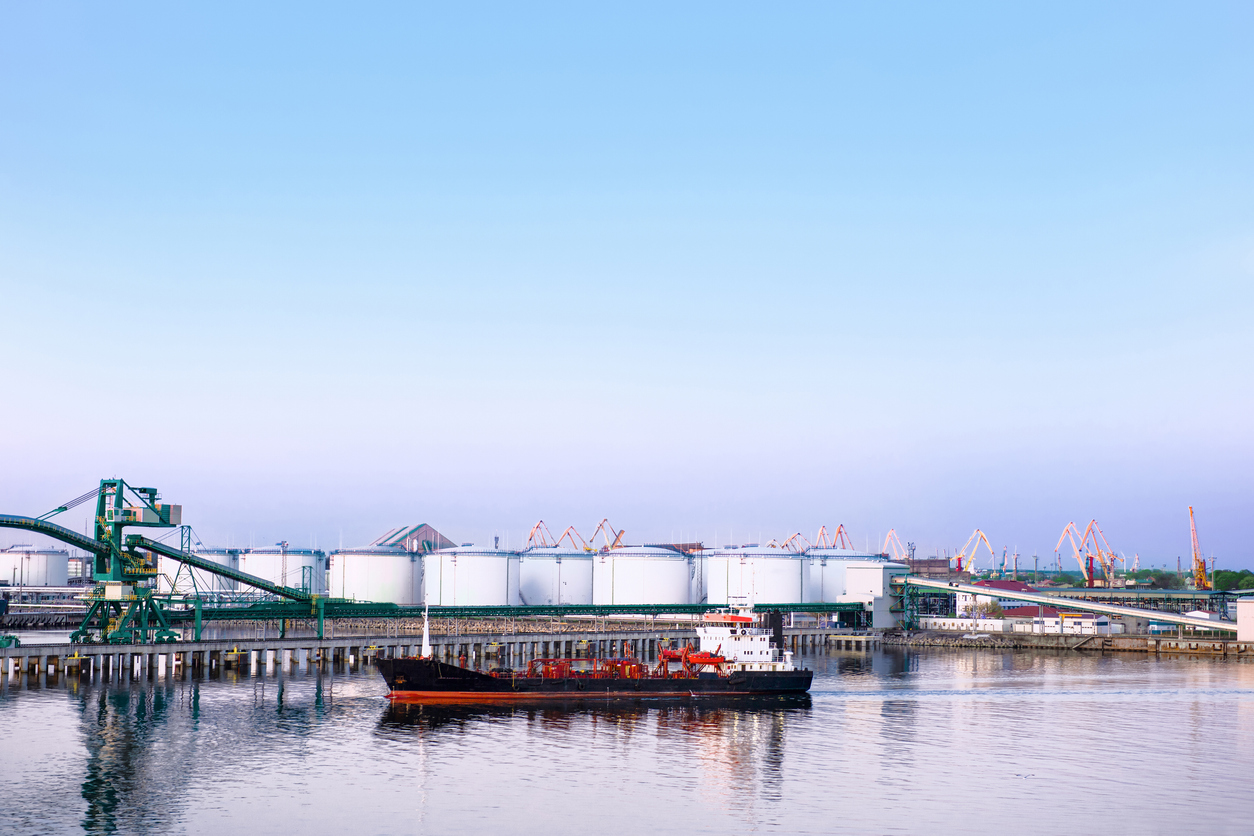
Shipping’s fuel landscape is changing fast. From tighter emissions rules to customer pressure on decarbonisation, operators increasingly need alternative bunkering options alongside conventional very low sulphur fuel oil (VLSFO) and marine gasoil (MGO). That’s where global bunker fuel alternative ports come in—ports that can safely supply fuels such as LNG, methanol, biofuels and, increasingly, future options like ammonia and hydrogen.
For importers, exporters, shipowners, and freight planners, the practical question is not “which fuel will win?” but “where can we bunker the fuel our vessels need—without delays, quality risks, or compliance surprises?” This guide explains how to evaluate alternative-fuel ports and build resilient bunkering plans, with real-world examples and procurement considerations.
What qualifies as a global bunker fuel alternative port?
A global bunker fuel alternative port is a port with verified capability to supply one or more non-traditional marine fuels at scale, with the safety procedures, metering, and documentation required for commercial operations. In practice, that means:
-
Fuel availability (consistent supply, not just one-off trials)
-
Bunkering method (ship-to-ship, barge-to-ship, truck-to-ship, terminal supply)
-
Standards and measurement (mass flow metering, custody transfer procedures, traceable documentation)
-
Safety and permitting (port authority rules for handling and SIMOPS—simultaneous bunkering and cargo operations)
-
Operational reliability (slot availability, turnaround time, weather constraints, congestion patterns)
As alternative fuels expand, ports are also differentiating themselves through “multi-fuel” strategies—supporting multiple pathways rather than betting on a single solution.
Why alternative bunkering decisions are harder than conventional fuel planning
Traditional bunkering is largely a price-and-timing problem. Alternative fuels add new layers of risk:
-
Compatibility and engine constraints (dual-fuel vs dedicated-fuel systems, tank arrangements, onboard handling)
-
Fuel specification variability (especially for biofuels and blends)
-
Documentation and claims integrity (proof of sustainability, chain-of-custody, and regulatory reporting)
-
Supply chain maturity (limited suppliers, fewer bunker barges, and constrained storage)
-
Port-by-port procedures (permits, safety zones, SIMOPS restrictions)
These factors can turn an apparently “available” fuel option into a schedule risk—unless the port’s processes and suppliers are proven.
Global bunker fuel alternative ports for LNG, methanol, and emerging fuels
Rather than relying on generic port lists, it helps to identify known alternative-fuel hubs and understand what makes them credible:
Rotterdam: multi-fuel capability and early adoption
The Port of Rotterdam positions itself as a leading multi-fuel bunkering hub, highlighting both LNG and methanol capabilities, including early methanol bunkering support and a growing range of alternative options.
Singapore: moving methanol from trials to scalable supply
Singapore has conducted methanol bunkering operations at Tuas Port, including simultaneous methanol bunkering and cargo activity, supported by the Maritime and Port Authority of Singapore (MPA).
MPA has also formalised a licensing framework for methanol bunkering—an important indicator that supply is moving beyond pilots toward repeatable, regulated service.
Antwerp-Bruges / Zeebrugge: established bunkering with alternative-fuel focus
Port of Antwerp-Bruges indicates alternative fuels such as LNG and hydrogen among its bunkering services—useful for operators building flexible routing options in Northwest Europe.
Emerging corridors and new hubs: Kandla’s renewable methanol ambitions
Some ports are positioning themselves around specific trade corridors. For example, Kandla (Deendayal Port Authority) has been reported as planning a renewable methanol bunkering hub aligned with the Singapore–Rotterdam route—showing how new supply nodes may develop along major lanes.
How to evaluate a global bunker fuel alternative port before you commit
When selecting global bunker fuel alternative ports, use a structured checklist that focuses on execution—not marketing claims:
-
Confirm fuel pathway and product form
“Methanol” and “LNG” are not interchangeable categories—ask whether the fuel is fossil-based, bio-derived, or e-fuel, and whether documentation supports your reporting needs. -
Assess supplier depth and operational redundancy
A port with one licensed supplier is higher risk than a port with multiple qualified suppliers, bunker craft options, and backup storage. -
Validate measurement and documentation
Accurate custody transfer matters for cost control and dispute prevention. Prioritise ports with clear metering standards and digital documentation practices (where available). Rotterdam, for instance, notes requirements and procedures linked to metering expectations for certain fuels. -
Check SIMOPS readiness and turnaround impact
If bunkering cannot be performed alongside cargo operations, you may lose a full shift or more—especially at congested hubs. -
Model total landed fuel cost (not just posted bunker price)
Include deviation distance, waiting time, port fees, barge availability, and any compliance/testing costs.
Where Wigmore Trading fits into alternative marine fuel and port readiness planning
For shipping-linked supply chains—especially import/export flows into Africa and other high-growth markets—alternative fuel decisions affect more than vessel operations. They influence lead times, landed costs, and cargo reliability.
Wigmore Trading can support clients by:
-
Sourcing and procurement coordination across suppliers and regions, helping align cargo schedules with reliable fuel and logistics plans
-
Supply chain and documentation support, especially where compliance paperwork and cargo timing must stay tightly controlled
-
Distribution and logistics planning that accounts for port performance, route constraints, and operational risk—reducing delays that can ripple into FMCG and wholesale distribution networks
This approach keeps the focus on continuity: the right product, the right documentation, and the right delivery windows—without overexposing the business to avoidable port or fuel risks.
Conclusion
The rise of global bunker fuel alternative ports is reshaping route planning. The best strategy is practical and evidence-based: prioritise ports with proven operations, clear standards, reliable suppliers, and procedures that protect your schedule. Whether you’re planning LNG and methanol today or preparing for the next wave of fuels, disciplined port selection and supplier validation will be key to cost control and compliance.
Wigmore Trading can help. Contact Wigmore Trading today to streamline your sourcing.


Comments are closed.