
Understanding Long Term LNG Offtake Agreements in Africa

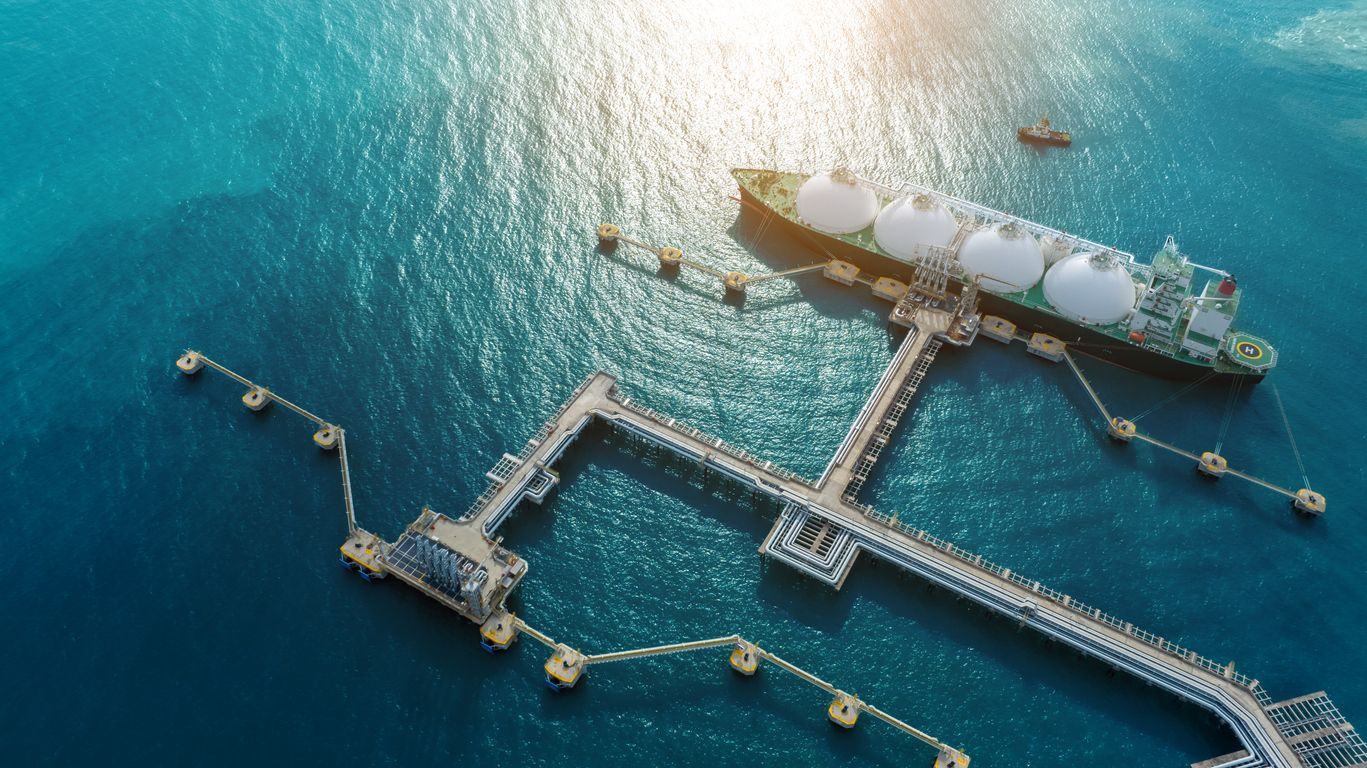
Liquefied natural gas (LNG) is becoming an increasingly important part of Africa’s energy landscape. As countries seek reliable power generation, industrial fuel sources, and export revenue, LNG projects are gaining momentum across the continent. A critical component of these projects is the long term LNG offtake agreements in Africa, which help ensure financial viability and stable supply relationships between producers and buyers.
These agreements play a central role in enabling large-scale LNG investments, particularly in emerging energy markets where infrastructure development requires significant capital. Understanding how these agreements work is essential for investors, energy companies, and governments involved in Africa’s evolving gas sector.
What Are Long Term LNG Offtake Agreements in Africa?
Long term LNG offtake agreements in Africa are contractual arrangements in which a buyer commits to purchasing a specified volume of liquefied natural gas from a producer over an extended period, typically ranging from 10 to 25 years.
These agreements provide several key assurances:
-
Guaranteed demand for LNG producers
-
Predictable energy supply for buyers
-
Revenue stability for project financing
-
Long-term market security for both parties
In many cases, these contracts form the foundation of LNG project financing. Banks and investors often require long-term offtake commitments before funding liquefaction facilities, pipelines, or export terminals.
Because LNG projects involve multi-billion-dollar investments, stable commercial arrangements are essential for risk mitigation.
Why Long Term LNG Offtake Agreements Matter for African Energy Development
Africa holds some of the world’s largest untapped natural gas reserves. Countries such as Mozambique, Nigeria, Senegal, Mauritania, and Tanzania are developing LNG projects aimed at both domestic energy supply and international exports.
Long term LNG offtake agreements in Africa are vital because they support the large-scale infrastructure required to unlock these resources.
Key benefits include:
Project Financing Support
Financial institutions are far more likely to fund LNG infrastructure when long-term purchase agreements are secured. These contracts demonstrate reliable revenue streams over decades.
Energy Security
For importing countries or power producers, long-term LNG agreements guarantee consistent fuel supply, reducing exposure to volatile spot markets.
Industrial Growth
Stable LNG supply helps power manufacturing, petrochemical production, fertilizer plants, and other industrial sectors across Africa.
Export Revenue Stability
Export-oriented LNG producers rely on long-term agreements to stabilize income from global energy markets.
Major LNG Projects Driving Long Term Offtake Agreements in Africa
Several large-scale LNG developments are shaping the future of the continent’s gas sector.
Mozambique LNG
Mozambique’s Rovuma Basin hosts one of the largest natural gas discoveries in recent decades. Long-term LNG offtake agreements linked to the Mozambique LNG project involve international buyers in Europe and Asia, helping secure financing for multi-billion-dollar infrastructure.
Senegal and Mauritania’s GTA Project
The Greater Tortue Ahmeyim (GTA) project between Senegal and Mauritania includes long-term LNG sales arrangements that support offshore production and liquefaction facilities.
Nigeria LNG Expansion
Nigeria, Africa’s largest LNG exporter, continues to rely on long-term offtake contracts to support the expansion of the Nigeria LNG facility and maintain its role in global LNG markets.
These projects demonstrate how long term LNG offtake agreements in Africa enable large-scale development and international energy partnerships.
Key Contract Structures in Long Term LNG Offtake Agreements
LNG offtake agreements typically include several commercial structures designed to manage pricing, delivery, and risk allocation.
Take-or-Pay Clauses
A common feature of LNG contracts, take-or-pay clauses require buyers to pay for a specified volume of gas whether or not they take delivery. This ensures predictable revenue for producers.
Pricing Mechanisms
LNG pricing in long-term agreements may be linked to:
-
Oil price benchmarks
-
Gas hub indices
-
Hybrid formulas combining multiple market indicators
Pricing flexibility has become increasingly important as LNG markets evolve.
Delivery and Logistics Terms
Contracts specify delivery methods such as:
-
Free on Board (FOB)
-
Delivered Ex Ship (DES)
These terms determine which party manages shipping and logistics responsibilities.
Efficient coordination between LNG producers, transport providers, and buyers is essential for successful contract execution.
Challenges Facing Long Term LNG Offtake Agreements in Africa
Despite the opportunities, several challenges can complicate the negotiation and implementation of LNG offtake contracts.
Market Price Volatility
Global LNG markets are increasingly influenced by short-term price fluctuations. Buyers may hesitate to commit to long-term pricing structures if spot market opportunities appear more attractive.
Infrastructure Gaps
Many African countries still require major investments in pipelines, storage facilities, and regasification terminals before LNG supply can reach domestic markets.
Regulatory and Political Risks
Unclear regulatory frameworks, taxation policies, or political instability can create uncertainty for long-term investors and LNG buyers.
Addressing these risks often requires strong partnerships between governments, energy companies, and logistics providers.
The Role of Supply Chain and Trade Expertise
Managing LNG supply agreements involves complex coordination across multiple sectors, including shipping, storage, regulatory compliance, and distribution.
Companies involved in African energy trade must ensure:
-
Efficient import/export logistics
-
Compliance with international energy regulations
-
Reliable supply chain management
-
Transparent contract execution
Experienced trading and logistics partners can help facilitate these processes, particularly when projects involve cross-border operations and large-scale infrastructure development.
Firms with expertise in commodity sourcing, international trade compliance, and logistics—such as Wigmore Trading—can support companies navigating complex energy supply chains across African markets.
The Future of Long Term LNG Offtake Agreements in Africa
As global demand for cleaner-burning fuels grows, LNG is expected to play a key role in Africa’s energy transition. Long-term contracts will continue to underpin major LNG investments, helping to finance infrastructure while providing stable supply to both domestic and international markets.
At the same time, new contract structures are emerging that combine long-term commitments with greater pricing flexibility, reflecting the evolving nature of global energy markets.
For African producers and energy consumers alike, long term LNG offtake agreements in Africa will remain central to the development of sustainable gas markets and long-term economic growth.
Conclusion
The expansion of Africa’s LNG sector depends heavily on stable commercial agreements between producers and buyers. Long term LNG offtake agreements in Africa provide the financial foundation for large energy projects, enabling infrastructure development, energy security, and international trade partnerships.
As LNG markets grow and evolve, strong supply chain management, regulatory understanding, and strategic partnerships will become increasingly important for successful project implementation.
Wigmore Trading can help companies navigate complex sourcing, logistics, and international trade requirements across African energy markets.
Contact Wigmore Trading today to streamline your sourcing.





Comments are closed.