

Where to Find Reliable Bulk Grain Suppliers for Import and Export

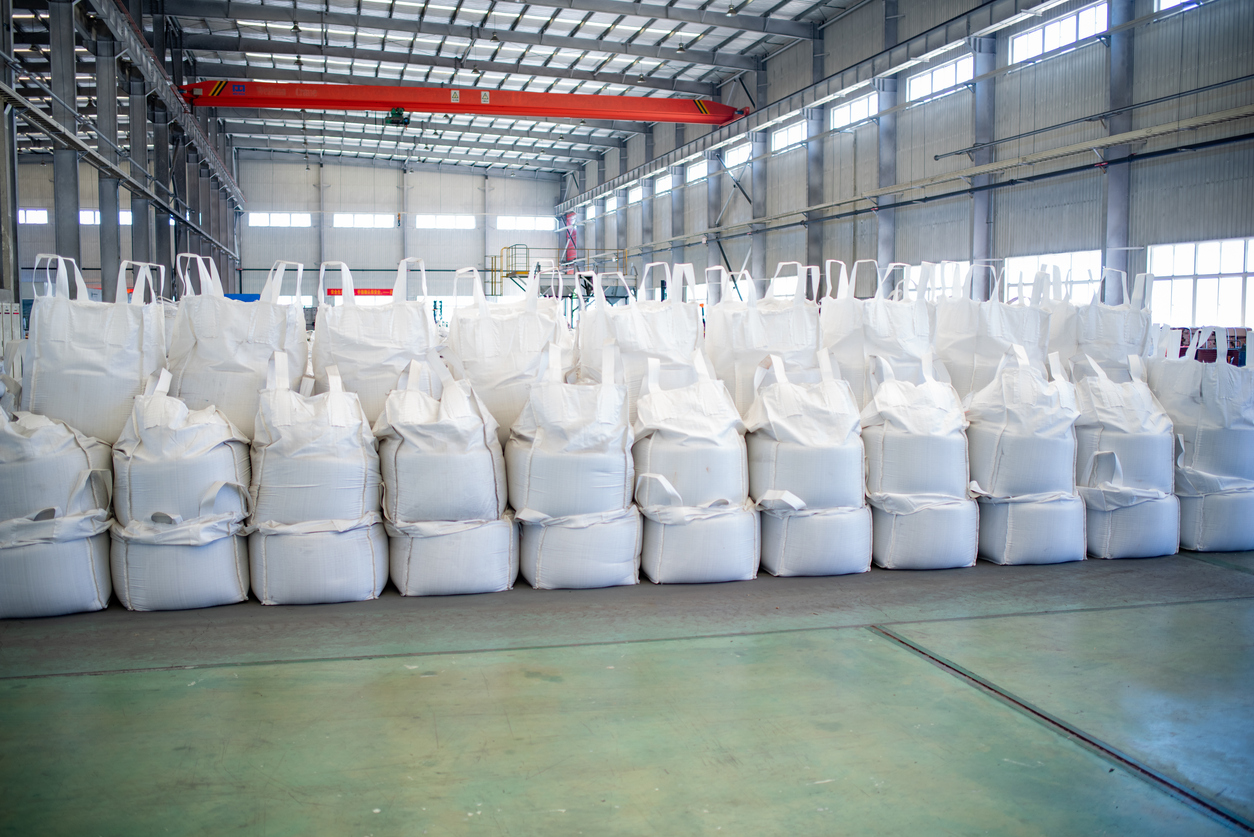
Grains are among the most widely traded agricultural commodities in the world. From wheat and maize to rice and sorghum, these staple products form the backbone of food production, animal feed manufacturing, and industrial processing. For businesses operating at scale, working with reliable bulk grain suppliers is critical to maintaining a stable and efficient supply chain.
Whether you are sourcing grains for food manufacturing, wholesale distribution, or export, understanding how bulk grain supply works can help reduce risk, improve cost efficiency, and ensure consistent quality.
Understanding the Role of Bulk Grain Suppliers
Bulk grain suppliers operate within a global agricultural trade network that connects farmers, storage facilities, exporters, processors, and distributors. Their primary role is to source, aggregate, store, and distribute large volumes of grains to commercial buyers.
Bulk supply differs significantly from retail or small-scale purchasing. Instead of bagged products sold in smaller quantities, grains are often transported in large shipments via containers, bulk vessels, or silo storage systems.
Typical buyers that rely on bulk grain suppliers include:
-
Food processing companies
-
Animal feed manufacturers
-
Flour mills and grain processors
-
Wholesale food distributors
-
Import/export traders
-
Government food programs
Because grain markets are highly influenced by seasonal harvests, global demand, and logistics infrastructure, businesses must work with suppliers that can provide consistent availability and transparent sourcing practices.
Types of Grains Commonly Sourced from Bulk Grain Suppliers
Different industries require different types of grains depending on their production needs. Bulk grain suppliers typically offer a wide range of commodities including:
Wheat
Used in flour production, baked goods manufacturing, and food processing industries.
Maize (Corn)
Widely used for livestock feed, food products, and industrial applications such as starch production.
Rice
An essential staple food product in many global markets, especially across Africa and Asia.
Sorghum and Millet
Commonly used in food production, brewing, and animal feed in many developing markets.
Barley
Often supplied to brewing companies and animal feed manufacturers.
Reliable bulk grain suppliers maintain quality standards across these products while ensuring consistent grading, moisture control, and proper storage conditions.
Key Factors to Consider When Choosing Bulk Grain Suppliers
Selecting the right supplier is a crucial decision for businesses that rely on high-volume agricultural commodities.
Quality Assurance and Grain Standards
Grain quality affects everything from food safety to processing efficiency. Reputable bulk grain suppliers follow international grading systems and maintain strict storage conditions to prevent contamination, mold, or pest infestation.
Buyers should look for suppliers that provide:
-
Laboratory testing reports
-
Moisture level documentation
-
Certification of origin
-
Quality grading standards
These measures help ensure that grain shipments meet the requirements of both local and international markets.
Supply Consistency and Volume Capacity
Businesses that rely on bulk grain sourcing often require large, recurring shipments. A supplier must have the capacity to maintain steady supply even during seasonal fluctuations.
Large-scale suppliers typically operate extensive sourcing networks across multiple agricultural regions. This diversification helps reduce the risk of shortages caused by poor harvests or weather disruptions.
Logistics and Export Capabilities
Grains are often transported across long distances, which makes logistics an important part of the supply chain. Reliable bulk grain suppliers should have established logistics systems that cover:
-
Bulk shipping and container loading
-
Port handling and export documentation
-
Warehousing and storage facilities
-
Inland transportation networks
Efficient logistics reduce delivery delays and help businesses maintain stable production schedules.
The Importance of Compliance in International Grain Trade
Agricultural commodities are subject to strict regulatory requirements, particularly when crossing international borders. Importers must comply with food safety regulations, phytosanitary certifications, and customs documentation.
Working with experienced bulk grain suppliers simplifies this process because they understand the regulatory requirements of different markets.
Common compliance requirements include:
-
Phytosanitary certificates
-
Inspection reports
-
Country-of-origin documentation
-
Import permits and customs clearance
Failure to meet these requirements can result in shipment delays or rejected cargo, which can significantly disrupt supply chains.
Supply Chain Challenges in Bulk Grain Sourcing
Despite strong global demand, the grain trade faces several ongoing challenges that businesses must navigate.
Price Volatility
Grain prices fluctuate due to weather conditions, geopolitical events, and shifts in global demand.
Storage and Handling Risks
Improper storage can lead to moisture damage, mold growth, or pest contamination.
Transportation Disruptions
Port congestion, freight rate increases, and logistics bottlenecks can delay shipments.
To manage these risks, companies often partner with experienced sourcing and distribution firms that can coordinate supply chains and maintain supplier relationships across multiple markets.
How Wigmore Trading Supports Businesses Sourcing from Bulk Grain Suppliers
For companies importing agricultural commodities, coordinating sourcing, logistics, and compliance can be complex. Working with a trusted trade partner can help simplify these processes.
Wigmore Trading works with established bulk grain suppliers across global agricultural markets to support businesses sourcing grains in large quantities. The company assists with supplier identification, product sourcing, logistics coordination, and international trade documentation.
By managing key aspects of the procurement and shipping process, businesses can focus on their core operations while maintaining reliable access to essential agricultural commodities.
Conclusion
Grains remain one of the most important commodities in global trade, supporting industries ranging from food manufacturing to animal feed production. Choosing the right bulk grain suppliers is essential for maintaining product quality, supply consistency, and cost efficiency.
Businesses must carefully evaluate supplier reliability, logistics capabilities, and compliance standards before entering into large-scale sourcing agreements. A well-managed supply chain can help reduce operational risks and ensure stable access to key agricultural commodities.
Wigmore Trading can help businesses source grains efficiently while navigating international logistics and compliance requirements.
Contact Wigmore Trading today to streamline your sourcing.






Comments are closed.