

Cobalt Alternative Sourcing for EV Manufacturers: Strategies for a Changing Battery Supply Chain

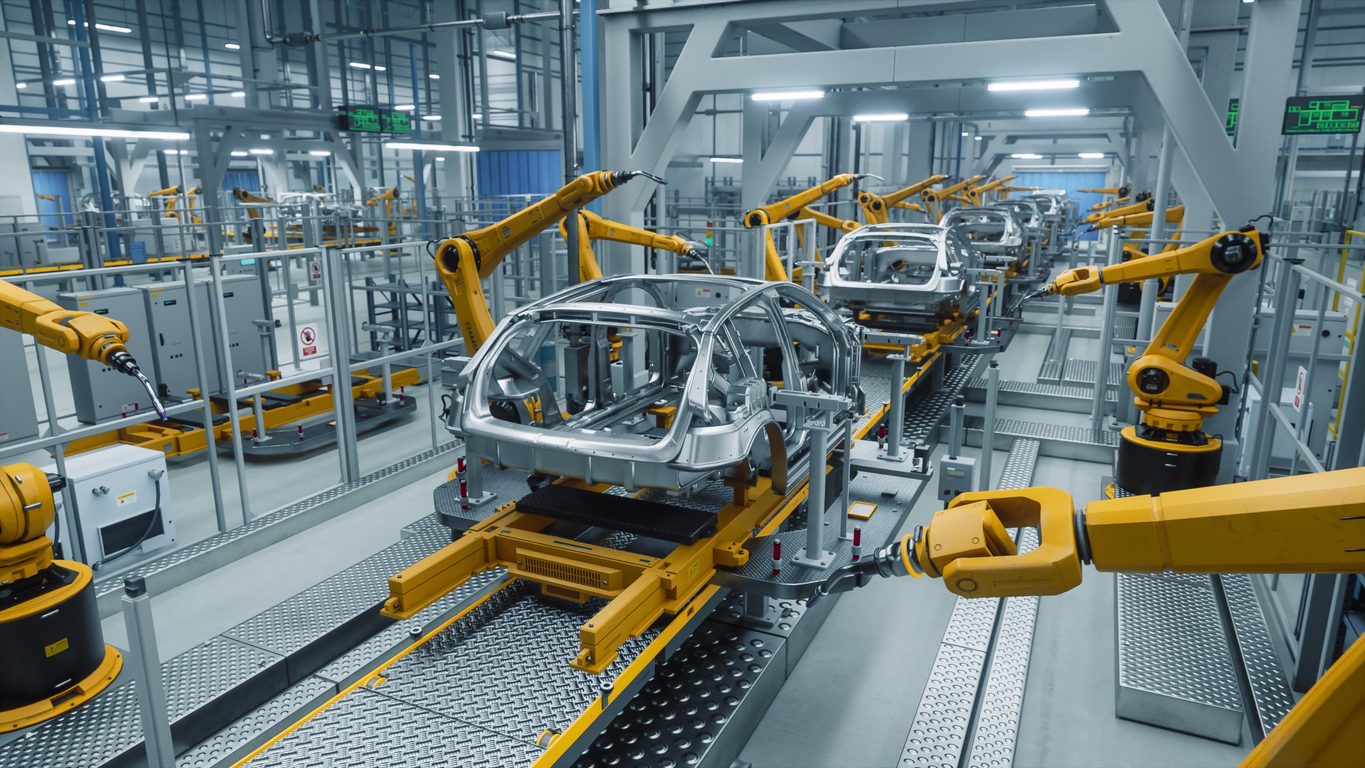
The rapid growth of the electric vehicle (EV) market has intensified demand for critical battery minerals. Among these, cobalt has long been essential for lithium-ion battery production due to its role in stabilizing battery chemistry and improving energy density. However, concerns about supply concentration, price volatility, and ethical sourcing have pushed manufacturers to explore cobalt alternative sourcing for EV manufacturers.
As the EV sector scales globally, securing reliable, sustainable raw materials is becoming a strategic priority. Companies are now investing in alternative battery chemistries, diversified mineral sourcing, and more resilient supply chains to reduce reliance on cobalt while maintaining battery performance.
Why Cobalt Dependence Is a Risk for EV Manufacturers
Cobalt plays a crucial role in many lithium-ion battery cathodes, particularly in nickel-manganese-cobalt (NMC) and nickel-cobalt-aluminum (NCA) chemistries. Despite its advantages, heavy reliance on cobalt presents several challenges.
First, global cobalt supply is highly concentrated. A significant portion of the world’s cobalt production originates from the Democratic Republic of Congo (DRC), creating geopolitical and supply chain risks for manufacturers.
Second, price volatility can significantly impact production costs. As EV adoption increases, fluctuations in cobalt prices can disrupt long-term planning for battery manufacturers and automakers.
Third, ethical and regulatory concerns surrounding mining practices have raised scrutiny from regulators, investors, and consumers. Companies must ensure responsible sourcing and compliance with international supply chain standards.
These factors are driving a shift toward cobalt alternative sourcing for EV manufacturers as part of a broader strategy to strengthen battery supply chains.
Battery Chemistries Reducing Cobalt Dependency
One of the most effective ways to address cobalt supply risks is through alternative battery chemistries that reduce or eliminate cobalt entirely.
Lithium Iron Phosphate (LFP) Batteries
LFP batteries have gained popularity because they do not require cobalt or nickel. They offer strong thermal stability, longer lifecycle performance, and lower production costs.
Although LFP batteries typically have lower energy density than cobalt-based chemistries, improvements in battery design are making them increasingly suitable for many EV applications, particularly mass-market vehicles and fleet transport.
High-Nickel Cathode Technologies
Some manufacturers are shifting toward high-nickel cathode materials, which significantly reduce cobalt content while maintaining energy density.
Chemistries such as NMC 811 (80% nickel, 10% manganese, 10% cobalt) lower cobalt requirements while supporting longer driving ranges. However, these batteries require careful supply chain management for nickel sourcing and processing.
Emerging Battery Technologies
Research into next-generation battery technologies is accelerating. Solid-state batteries, manganese-rich cathodes, and sodium-ion batteries are among the innovations that could further reduce cobalt reliance in the future.
While many of these technologies are still in development, they represent a long-term pathway for EV manufacturers seeking more stable raw material supply chains.
Diversifying Mineral Supply Chains
Beyond changing battery chemistry, cobalt alternative sourcing for EV manufacturers also involves diversifying global supply networks.
Companies are increasingly sourcing critical minerals from a wider range of regions to reduce supply concentration risks. Countries in Africa, Australia, and parts of Asia are expanding their roles in battery mineral extraction and processing.
Africa in particular holds significant untapped mineral resources that can support the EV transition. However, developing these resources requires strong logistics infrastructure, responsible mining practices, and transparent supply chains.
Reliable trading partners play an important role in bridging the gap between mining regions and international manufacturers.
The Role of Supply Chain Management in Alternative Mineral Sourcing
Managing complex mineral supply chains requires expertise in procurement, logistics, regulatory compliance, and risk mitigation.
For EV manufacturers and battery producers, working with experienced commodity sourcing partners can help ensure consistent access to essential battery materials and alternatives.
Companies such as Wigmore Trading support global manufacturers by facilitating responsible sourcing, managing cross-border logistics, and connecting suppliers with international buyers. Through established trade networks across Africa and global markets, Wigmore Trading helps streamline procurement and reduce supply chain complexity.
This type of supply chain support allows manufacturers to focus on battery innovation while ensuring that critical minerals and alternative materials move efficiently from source to production facilities.
Logistics and Compliance Challenges in Battery Mineral Trade
Transporting battery minerals and related materials involves strict regulatory oversight and complex logistics planning.
Minerals used in battery production must often meet environmental, safety, and traceability standards, especially when exported to markets such as the European Union and North America.
Challenges include:
-
Export compliance and customs documentation
-
Hazardous material handling regulations
-
Traceability requirements for responsible sourcing
-
Long-distance shipping and port infrastructure limitations
Experienced logistics partners can help manufacturers navigate these challenges by coordinating transportation, managing regulatory requirements, and ensuring proper documentation throughout the supply chain.
Wigmore Trading works with global partners to support efficient mineral trade flows, helping businesses overcome logistical and compliance barriers in international commodity sourcing.
Long-Term Outlook for Cobalt Alternatives in EV Manufacturing
The EV industry is evolving rapidly, and material innovation will play a central role in shaping the future of battery production.
While cobalt will likely remain part of certain battery chemistries in the near term, its share in global battery demand is expected to decline as manufacturers adopt alternative technologies and diversify mineral sourcing.
Manufacturers that invest early in cobalt alternative sourcing strategies—including supply chain diversification, advanced battery chemistries, and reliable sourcing partners—will be better positioned to scale EV production while managing risk.
Building resilient supply networks will be essential for supporting the global transition to electric mobility.
Conclusion
The push toward electric mobility is transforming global mineral supply chains. As demand for batteries grows, EV manufacturers are actively exploring cobalt alternative sourcing to reduce supply risks, stabilize costs, and strengthen sustainability commitments.
Alternative battery chemistries, diversified mineral supply chains, and improved logistics infrastructure are all part of this transition.
Reliable trade partners also play an important role in helping manufacturers secure responsibly sourced materials and navigate the complexities of global commodity markets.
Wigmore Trading can help. Contact Wigmore Trading today to streamline your sourcing.





Comments are closed.