

Find the Right Red Sea Alternative Freight Forwarders for Your Supply Chain


Global shipping routes are constantly influenced by geopolitical tensions, security concerns, and logistical disruptions. In recent years, instability in the Red Sea shipping corridor has forced many importers and exporters to reconsider their logistics strategies. As a result, businesses are increasingly working with Red Sea alternative freight forwarders to maintain reliable supply chains and reduce operational risks.
For companies trading between Africa, Europe, the Middle East, and Asia, understanding alternative freight solutions is essential for maintaining consistent deliveries and managing freight costs.
Why Businesses Are Seeking Red Sea Alternative Freight Forwarders
The Red Sea and Suez Canal corridor is one of the world’s most important shipping routes, linking Asia and Europe. However, disruptions in the region can create major challenges for global trade.
Some of the most common issues include:
-
Security risks affecting commercial vessels
-
Increased insurance premiums for ships entering high-risk areas
-
Vessel delays and rerouting costs
-
Congestion at alternative ports and routes
These disruptions can significantly affect businesses relying on timely imports of raw materials, consumer goods, or FMCG products.
As a result, many companies are turning to Red Sea alternative freight forwarders that can quickly adapt shipping routes and offer flexible logistics planning.
Key Alternative Shipping Routes to the Red Sea Corridor
When the Red Sea becomes difficult to navigate, freight forwarders typically recommend several alternative routes. Each option has different cost, transit time, and operational considerations.
Cape of Good Hope Route
One of the most widely used alternatives is rerouting vessels around the Cape of Good Hope at the southern tip of Africa.
Advantages include:
-
Avoiding high-risk maritime zones
-
Maintaining ocean freight continuity
-
Access to major African ports along the route
However, the main drawback is longer transit times, which can increase shipping costs and fuel consumption.
Multimodal Freight via the Middle East
Some logistics providers combine sea and land transportation through Middle Eastern logistics hubs.
For example:
-
Cargo may arrive at ports in the Gulf region
-
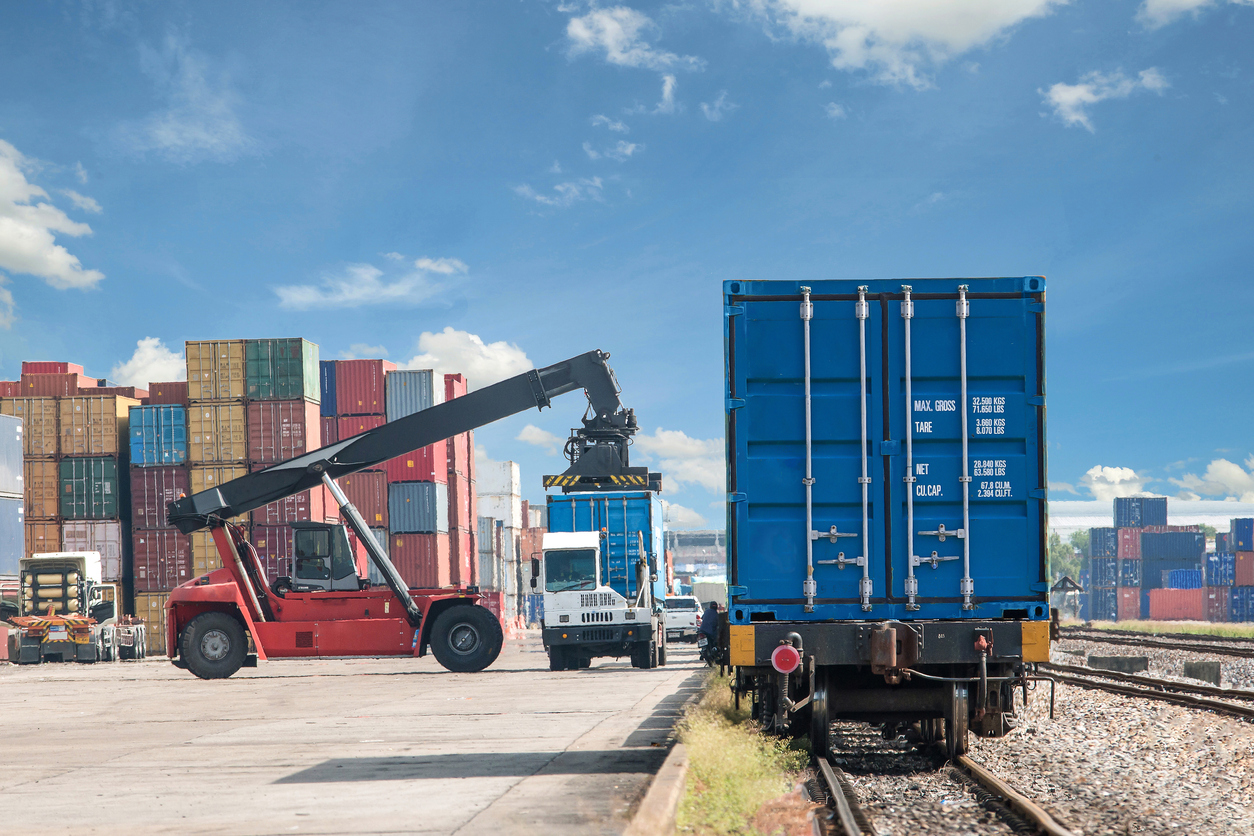
Goods are transferred via road or rail to Mediterranean ports
-
Final delivery continues by sea or land
Experienced Red Sea alternative freight forwarders coordinate these multimodal operations to reduce delays and maintain supply chain continuity.
East African Port Diversification
Ports in East Africa are becoming increasingly important as alternative logistics hubs. Major ports such as Mombasa, Dar es Salaam, and Djibouti can serve as strategic entry points for cargo.
These ports offer:
-
Access to inland African markets
-
Growing logistics infrastructure
-
Opportunities for regional distribution
Freight forwarders with experience in African trade are often better positioned to manage cargo flows through these emerging hubs.
The Role of Red Sea Alternative Freight Forwarders in Supply Chain Stability
Working with specialized freight forwarders provides businesses with the flexibility needed during shipping disruptions.
Reliable logistics partners can support companies by:
-
Monitoring geopolitical developments affecting shipping routes
-
Identifying cost-effective alternative corridors
-
Managing customs documentation and regulatory compliance
-
Coordinating multimodal transport solutions
-
Securing cargo insurance and risk management strategies
For companies importing into African markets, local expertise is particularly important. Freight forwarders familiar with regional infrastructure and port operations can minimize delays and improve delivery timelines.
How Wigmore Trading Supports Alternative Freight Solutions
Businesses navigating uncertain shipping conditions often benefit from working with partners experienced in African logistics and international trade.
Wigmore Trading works with suppliers, logistics providers, and distributors across global markets to help businesses maintain efficient supply chains. Through its sourcing, import management, and distribution services, the company helps clients move goods reliably even when traditional shipping routes face disruption.
This includes coordinating with trusted freight partners, managing customs procedures, and ensuring that products reach African markets efficiently.
For companies importing FMCG products, commodities, or wholesale goods into Africa, having a logistics partner that understands regional trade routes can make a significant difference when adapting to route changes.
Choosing the Right Red Sea Alternative Freight Forwarder
Selecting the right freight partner requires careful evaluation of several factors.
Businesses should consider:
-
Experience with African and Middle Eastern shipping corridors
-
Access to multiple ocean carriers and shipping alliances
-
Ability to coordinate multimodal logistics
-
Strong customs and regulatory expertise
-
Transparent pricing and freight risk management
Freight forwarders that maintain strong global networks are typically better positioned to respond quickly when shipping disruptions occur.
Conclusion
Shipping disruptions in the Red Sea corridor highlight the importance of flexible and resilient supply chains. Businesses that rely on international trade must be prepared to adapt quickly when geopolitical or security challenges affect major maritime routes.
By working with experienced Red Sea alternative freight forwarders, companies can identify alternative shipping corridors, reduce delays, and maintain consistent product availability.
With the right logistics strategy and trusted partners, businesses can continue moving goods efficiently across global markets despite changing shipping conditions.
Wigmore Trading can help. Contact Wigmore Trading today to streamline your sourcing and logistics operations.




Comments are closed.