
Distribution of Defence Products in Nigeria: Laws, Regulations, and Compliance Guide
Talk to us about this service
Trade, import, logistics, sourcing — whatever you're planning, the fastest way to a quote is a WhatsApp message. Our team replies during Lagos business hours.
WhatsApp usYour message tells us which page you came from
The distribution of defence products in Nigeria is a highly regulated activity governed by strict legal frameworks, national security policies, and international obligations. For importers, distributors, and logistics providers operating in this space, understanding these laws is not optional—it is critical for compliance, risk management, and sustainable business operations.
This guide breaks down the legal landscape, licensing requirements, and practical considerations for companies involved in the defence supply chain, while highlighting how Wigmore Trading can support compliant and efficient operations.
Understanding Defence Products in Nigeria
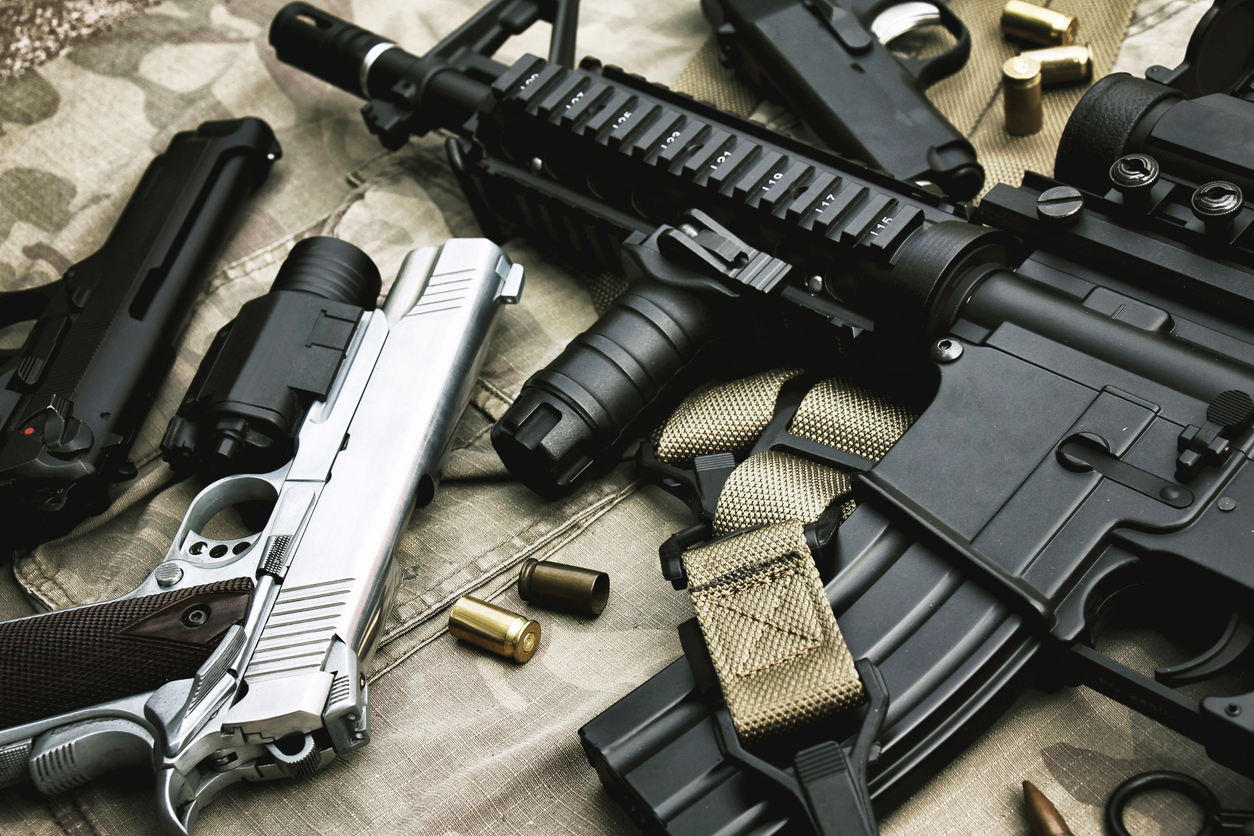
Defence products typically include:
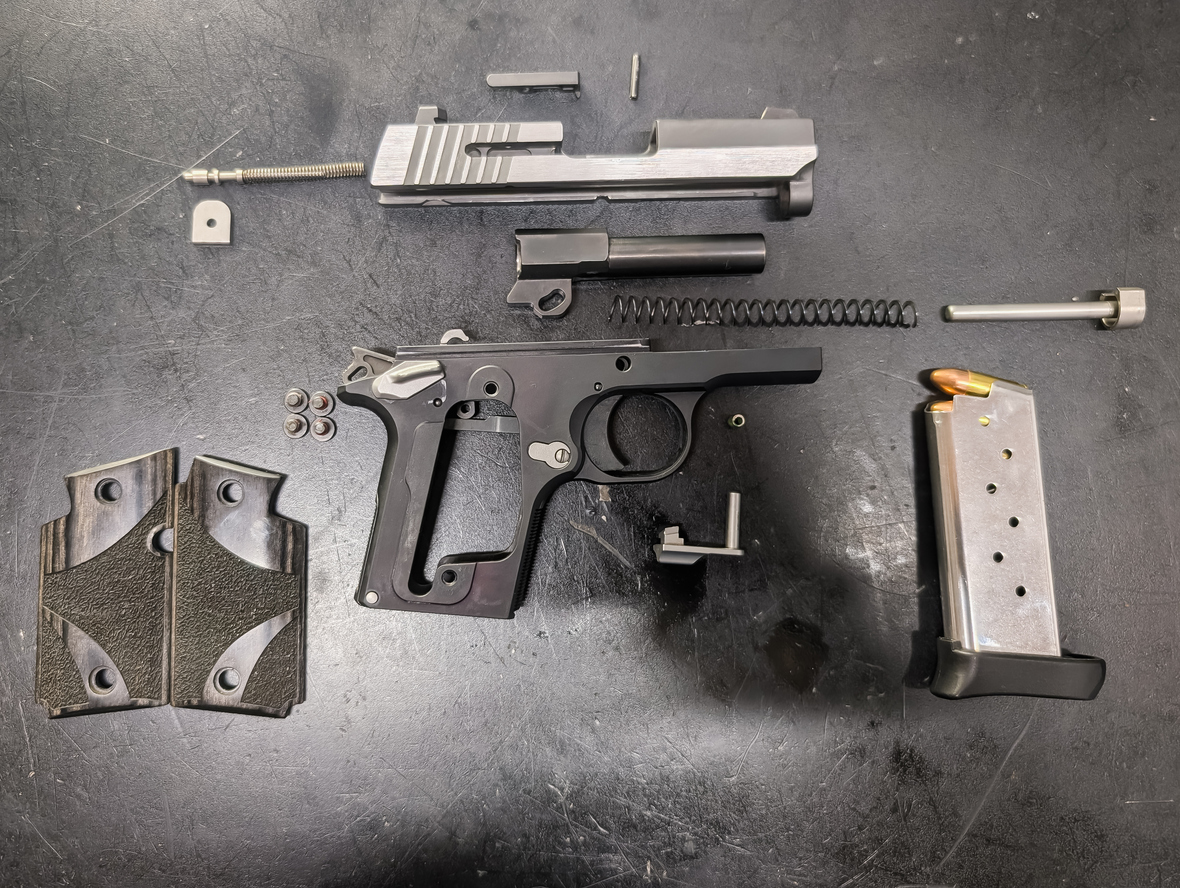
- Firearms and ammunition
- Military-grade vehicles and equipment
- Surveillance and security systems
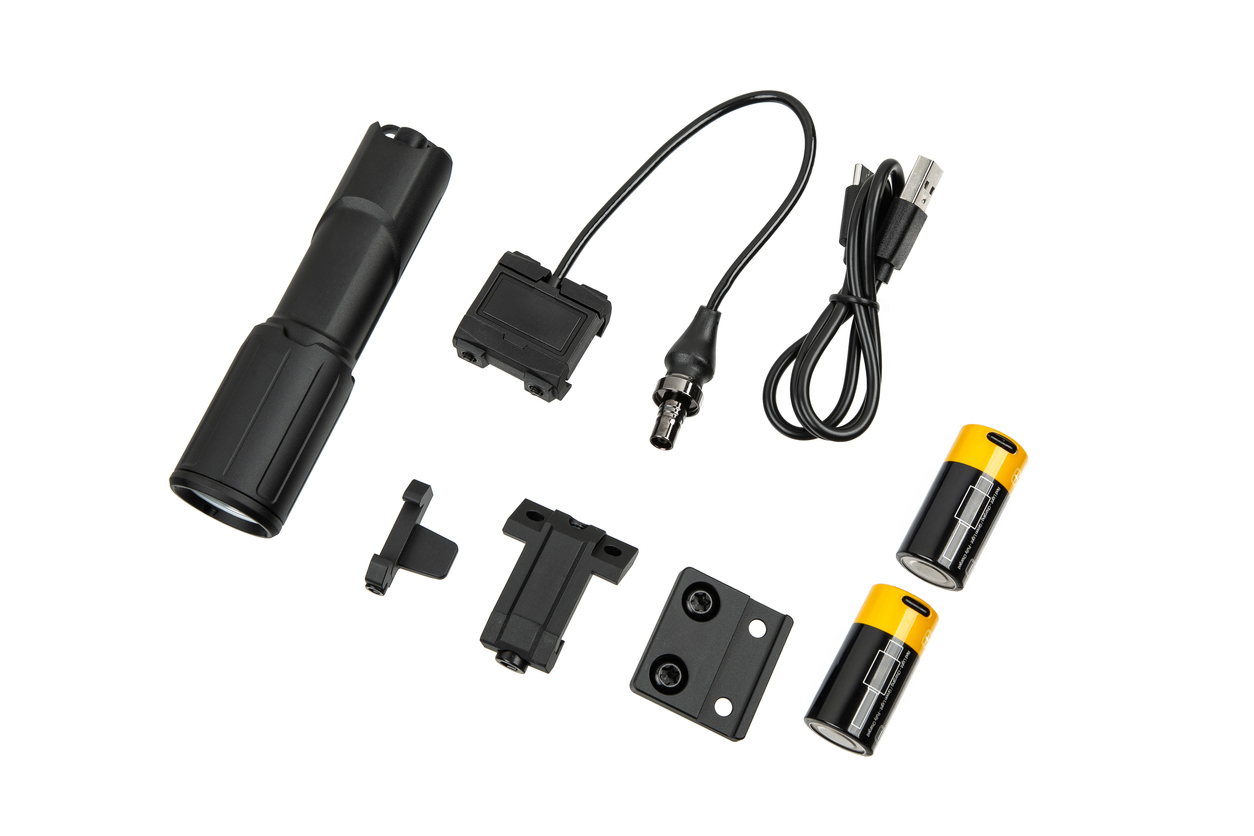
- Protective gear and tactical equipment
- Dual-use goods (items with both civilian and military applications)
In Nigeria, these items are classified as controlled goods, meaning their importation, distribution, and use are subject to government oversight.
Key Laws Governing Defence Product Distribution
1. Firearms Act (Cap F28, Laws of the Federation of Nigeria)
This is the primary legislation regulating firearms and ammunition. It:
- Prohibits unauthorized possession and distribution
- Requires licensing for importation and handling
- Grants regulatory authority to security agencies
2. Nigerian Customs Service Regulations
The Nigeria Customs Service (NCS) enforces import controls on defence-related goods by:
- Classifying restricted and prohibited items
- Requiring proper documentation and permits
- Monitoring entry points for compliance
3. National Security Agencies Oversight
Agencies such as the Office of the National Security Adviser (ONSA) and the Ministry of Defence play a central role in:
- Approving defence imports
- Vetting distributors and end-users
- Ensuring national security interests are protected
4. International Compliance Obligations
Nigeria is a signatory to several international agreements that influence defence trade, including arms control treaties. This means:
- End-use certification is mandatory
- Export controls from supplier countries must be respected
- Cross-border compliance is essential
Licensing Requirements for Defence Product Distribution
To legally distribute defence products in Nigeria, businesses must obtain multiple approvals:
- Import Permit from relevant government authorities
- End-User Certificate (EUC) confirming the final recipient
- Police or Military Clearance depending on the product category
- Customs Documentation for clearance at ports
Failure to secure these licenses can result in:
- Seizure of goods
- Heavy fines and penalties
- Criminal prosecution
Challenges in Defence Product Distribution
Operating in this sector comes with several challenges:
Regulatory Complexity
Navigating multiple agencies and approvals can delay operations.
Documentation Risks
Incomplete or incorrect paperwork can lead to shipment delays or confiscation.
Supply Chain Security
Ensuring that products are not diverted or misused is critical.
International Compliance
Suppliers must align with both Nigerian laws and export regulations from origin countries.
Practical Solutions for Businesses
To operate successfully, companies should:
- Work with experienced import/export partners
- Maintain strict documentation and audit trails
- Conduct due diligence on suppliers and buyers
- Stay updated on evolving regulations
This is where Wigmore Trading can help.
How Wigmore Trading Supports Defence Product Distribution
Wigmore Trading offers tailored support for businesses navigating complex import and distribution requirements in Nigeria. Their expertise includes:
Regulatory Guidance
Helping clients understand and comply with Nigerian laws governing controlled goods.
Import & Logistics Coordination
Managing the movement of sensitive shipments with proper documentation and secure handling.
Supplier & Compliance Support
Ensuring that sourcing aligns with both local and international regulations.
End-to-End Supply Chain Management
From procurement to final delivery, Wigmore Trading ensures efficiency and compliance at every stage.
If your business is involved in the distribution of defence products in Nigeria, working with a knowledgeable partner reduces risk and improves operational efficiency.
Contact Wigmore Trading today to streamline your sourcing and compliance processes.
Conclusion
The distribution of defence products in Nigeria is tightly controlled for valid national security reasons. While this creates a complex regulatory environment, businesses that understand the laws and adopt compliant practices can operate successfully.
Partnering with an experienced firm like Wigmore Trading ensures that you not only meet legal requirements but also maintain a secure, efficient, and scalable supply chain.
No Comments Yet.




Comments are closed.