

Water Desalination Emergency Systems: A Practical Guide for Reliable Emergency Water Supply

When conventional water infrastructure fails, access to safe water becomes one of the most urgent operational priorities. Flooding, drought, storm damage, conflict, and saltwater intrusion can all disrupt municipal systems or contaminate local sources. In coastal and island settings especially, emergency desalination can become a practical way to restore drinking water supply when freshwater is unavailable or insufficient.
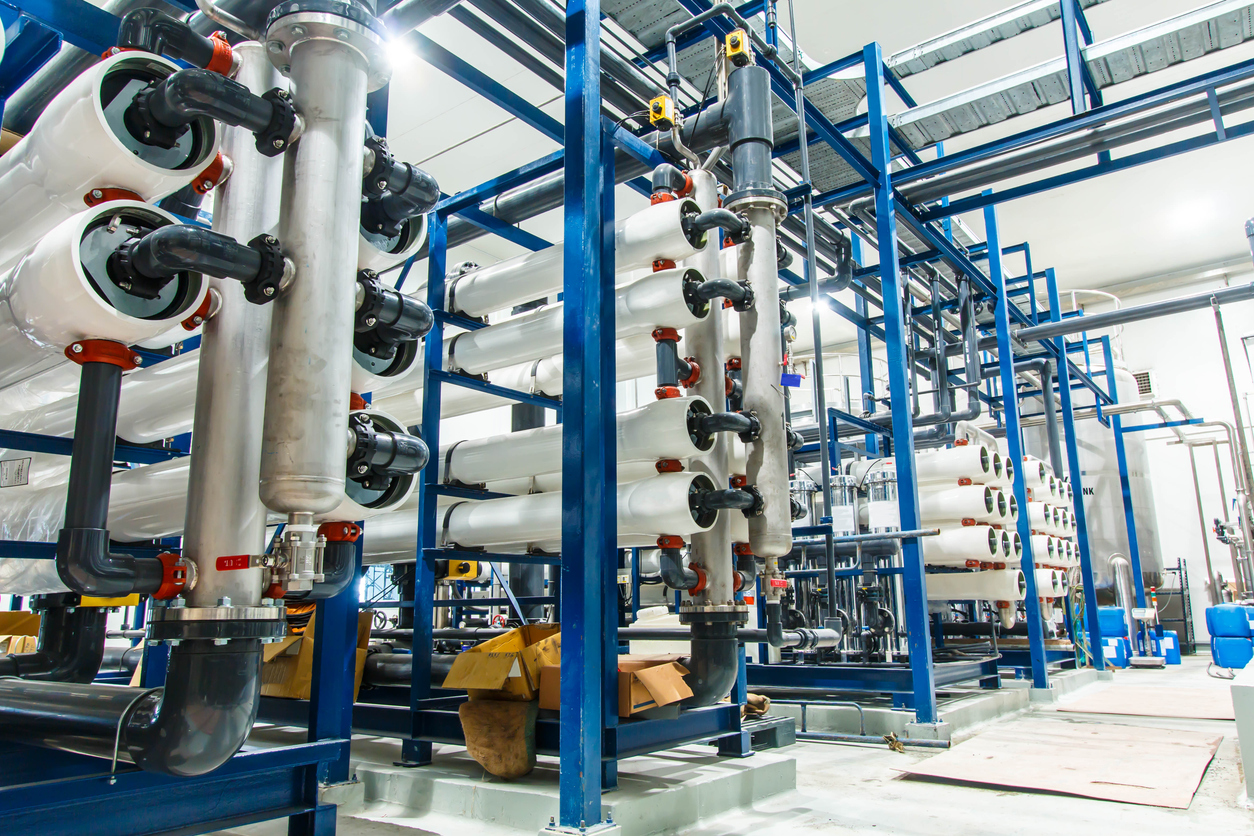
Water desalination emergency systems are designed to convert saline or brackish water into usable water under difficult conditions. In practice, these systems are often built around reverse osmosis, a treatment method widely used in desalination, and are supported by storage, pumping, pretreatment, and monitoring equipment. WHO guidance also emphasizes that desalinated water systems need proper risk management, including treatment control, remineralization where required, and safe storage and distribution.
For importers, infrastructure contractors, humanitarian operators, industrial sites, and public-sector buyers, understanding how these systems work is important not only for emergency response, but also for procurement planning, logistics, and compliance.
What are water desalination emergency systems?
Water desalination emergency systems are temporary, mobile, or rapidly deployable treatment solutions used to produce potable or process water from seawater or brackish sources. They are typically used when piped water networks are damaged, groundwater is too saline, or demand rises faster than the available freshwater supply.
These systems may be installed in containers, trailers, skid-mounted units, or compact modular plants. Depending on the use case, they can support disaster relief operations, isolated coastal communities, offshore facilities, mining camps, military operations, ports, and industrial backup supply.
Emergency water operations often combine several approaches, including water trucking, repair of damaged systems, temporary treatment, and rapid deployment of purification units. UNICEF’s emergency WASH work reflects this broader model, while field examples also show reverse osmosis units being used where saline water treatment is necessary.
How these systems typically work
Although designs vary, most emergency desalination systems follow the same basic treatment sequence.
1. Source water intake
The system first draws water from a saline or brackish source. This may be the sea, an estuary, a saline borehole, or a contaminated local supply with high dissolved solids.
2. Pretreatment
Pretreatment helps protect the core treatment equipment. Filters, dosing systems, and other controls are used to reduce suspended solids, biological matter, and scaling risks. This stage is essential because poor pretreatment can quickly reduce membrane performance and increase downtime. WHO guidance highlights source-water quality management and operational controls as critical parts of safe desalinated water production.
3. Desalination
Reverse osmosis is the most common approach in modern mobile and small-scale systems. EPA identifies reverse osmosis and nanofiltration among established drinking water treatment technologies, and reverse osmosis is also widely used in desalination applications.
4. Post-treatment and storage
After salt removal, the water may require remineralization, disinfection, and secure storage before distribution. This is important because producing low-salinity water alone is not enough; the final water must also be safe and stable during storage and delivery. WHO specifically notes the importance of remineralization, storage, and distribution controls in desalinated water systems.
Where emergency desalination is most useful
Emergency desalination is not the right answer for every water crisis, but it is especially useful in several situations.
In coastal disaster zones, it can provide an alternative when storm surges, flooding, or infrastructure failure leave communities without freshwater. In island environments, it can reduce dependence on imported bottled water or water barging. In industrial and project settings, it can maintain operational continuity where water shortages would otherwise halt production, sanitation, or camp services.
Portable desalination has also been used in drought response and municipal support scenarios where rapid additional capacity is needed. Industry case material from IDRA describes small-scale portable plants being mobilized for emergency drought response in the Canary Islands.
The main procurement and operational challenges
Buying an emergency desalination system is rarely just a treatment decision. It is a supply chain decision as well.
One challenge is power. Desalination systems need dependable energy input, so buyers must consider generators, fuel planning, electrical compatibility, and backup options.
A second issue is consumables and spare parts. Membranes, filters, pumps, valves, dosing chemicals, and instrumentation all need ongoing support. A technically sound unit can still fail operationally if replacement parts are delayed at the border or unavailable locally.
Third, system performance depends on water quality and operating conditions. Seawater, brackish groundwater, and polluted coastal water do not behave the same way. Pretreatment requirements, maintenance intervals, and output quality targets must be matched to the actual source water.
Finally, compliance matters. Emergency deployment does not remove the need for water quality assurance. WHO recommends a water safety planning approach that covers hazards from source to consumer, including operational monitoring and corrective action.
Why logistics and sourcing matter as much as the equipment
For many organisations, the biggest risk is not choosing the wrong desalination technology. It is failing to secure the full package needed to keep the system running.
That package often includes intake hardware, pretreatment consumables, membrane elements, dosing chemicals, storage tanks, pumps, generators, testing equipment, and distribution components. In emergency conditions, delays in any one of these areas can compromise the entire response.
This is where an experienced sourcing and logistics partner adds real value. Wigmore Trading can support businesses, contractors, and public-sector buyers by helping source essential treatment components, coordinating cross-border procurement, managing shipment timelines, and supporting distribution into African and international markets. For customers operating in complex supply environments, that kind of coordination can reduce downtime and improve response readiness.
Conclusion
Water desalination emergency systems play an important role in resilience planning where freshwater access is vulnerable, especially in coastal, remote, and disaster-affected environments. Their value lies not only in turning saline water into usable supply, but in doing so quickly, safely, and consistently under pressure.
For buyers, the real priority is to think beyond the treatment unit itself. Successful emergency water supply depends on matching the right technology to the source water, securing reliable logistics, maintaining compliance, and ensuring that spare parts and consumables are available when needed.
Wigmore Trading can help. Contact Wigmore Trading today to streamline your sourcing.




Comments are closed.