
The Role of Humanitarian Logistics Contractors in Efficient Aid Delivery

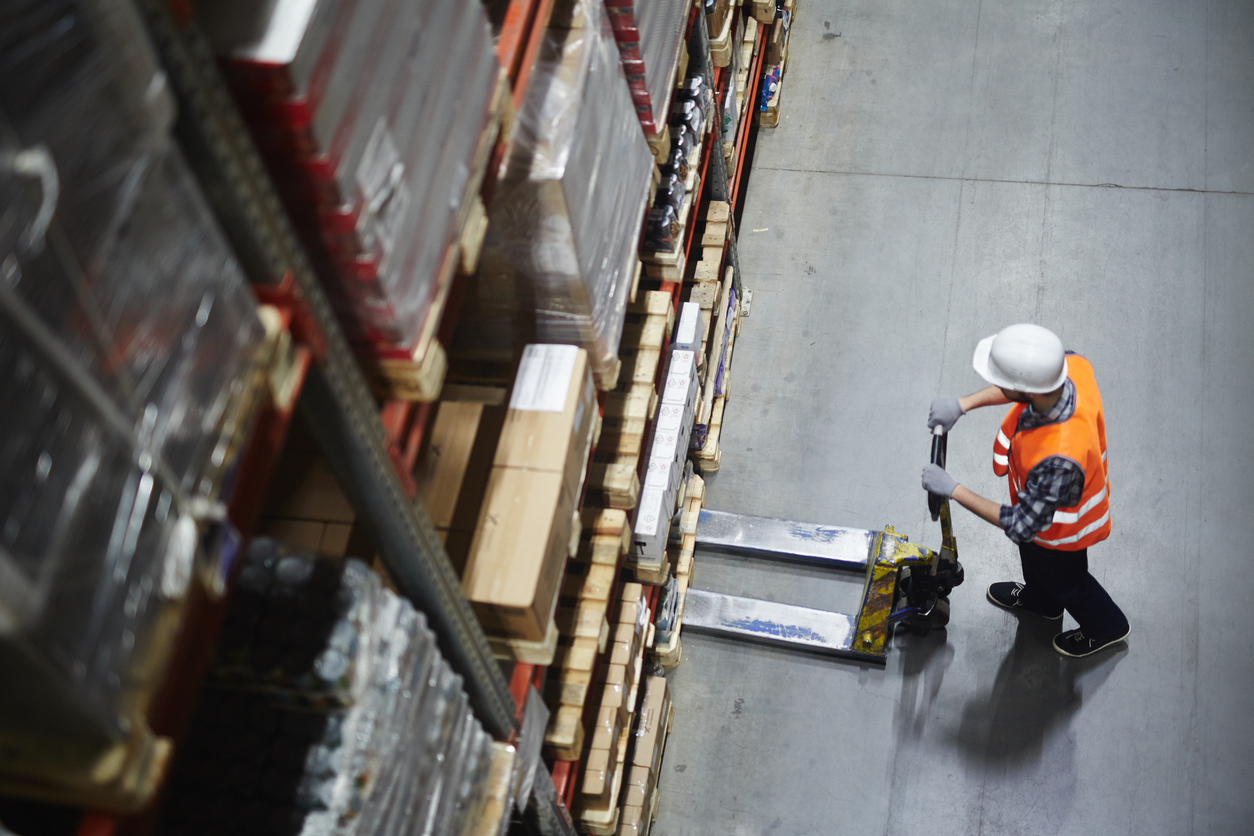
Humanitarian operations depend heavily on efficient logistics. From delivering emergency food supplies to transporting medical equipment during crises, aid organisations must move large volumes of goods quickly and reliably. This complex task is often handled by humanitarian logistics contractors, specialised companies responsible for managing supply chains, transportation, storage, and distribution for relief operations.
In regions where infrastructure can be challenging and demand is urgent—such as many parts of Africa—these contractors play a critical role in ensuring aid reaches communities in need. Understanding their role and capabilities is essential for governments, NGOs, and international agencies working in humanitarian response.
What Are Humanitarian Logistics Contractors?
Humanitarian logistics contractors are companies that provide supply chain services to support disaster relief and humanitarian aid programmes. Their responsibilities often include:
-
International freight and cargo coordination
-
Procurement and sourcing of relief supplies
-
Warehousing and inventory management
-
Customs clearance and compliance
-
Last-mile delivery to affected communities
These contractors act as operational partners to humanitarian organisations, enabling them to focus on programme delivery while logistics specialists handle the complex movement of goods.
Given the scale of global humanitarian operations, effective logistics planning is essential to avoid delays, shortages, or supply chain disruptions.
Key Logistics Challenges in Humanitarian Operations
Delivering aid is rarely straightforward. Humanitarian logistics contractors must operate in environments where infrastructure, regulations, and supply availability can present major challenges.
Infrastructure and Transport Constraints
In many developing regions, road networks, ports, and rail systems may be limited or damaged during crises. Contractors must develop alternative transport strategies that may include multimodal shipping, regional consolidation hubs, or temporary storage facilities.
Experienced logistics providers with strong regional networks are often better positioned to overcome these barriers.
Complex Customs and Regulatory Requirements
Relief supplies frequently cross international borders, which means navigating customs documentation, import restrictions, and regulatory compliance. Delays at borders can significantly impact humanitarian operations.
Logistics contractors with experience in international trade and compliance can help ensure shipments are processed efficiently and in accordance with local regulations.
Procurement and Supply Chain Coordination
Humanitarian operations require large quantities of essential goods such as food, medical supplies, hygiene products, and shelter materials. Coordinating procurement from reliable suppliers while maintaining quality standards can be challenging.
Professional sourcing and procurement support helps organisations secure the right products while maintaining supply chain transparency.
The Importance of Regional Supply Networks
One of the most effective ways humanitarian logistics contractors improve aid delivery is by building regional supply networks. Instead of shipping all supplies from distant global markets, contractors often source goods closer to the affected region.
This approach offers several advantages:
-
Faster response times
-
Lower transport costs
-
Improved supply chain resilience
-
Support for regional economies
In Africa, regional sourcing and distribution hubs are becoming increasingly important for both humanitarian and commercial logistics.
Companies with established supplier networks and experience in African trade can significantly improve operational efficiency for aid programmes.
Technology and Supply Chain Visibility
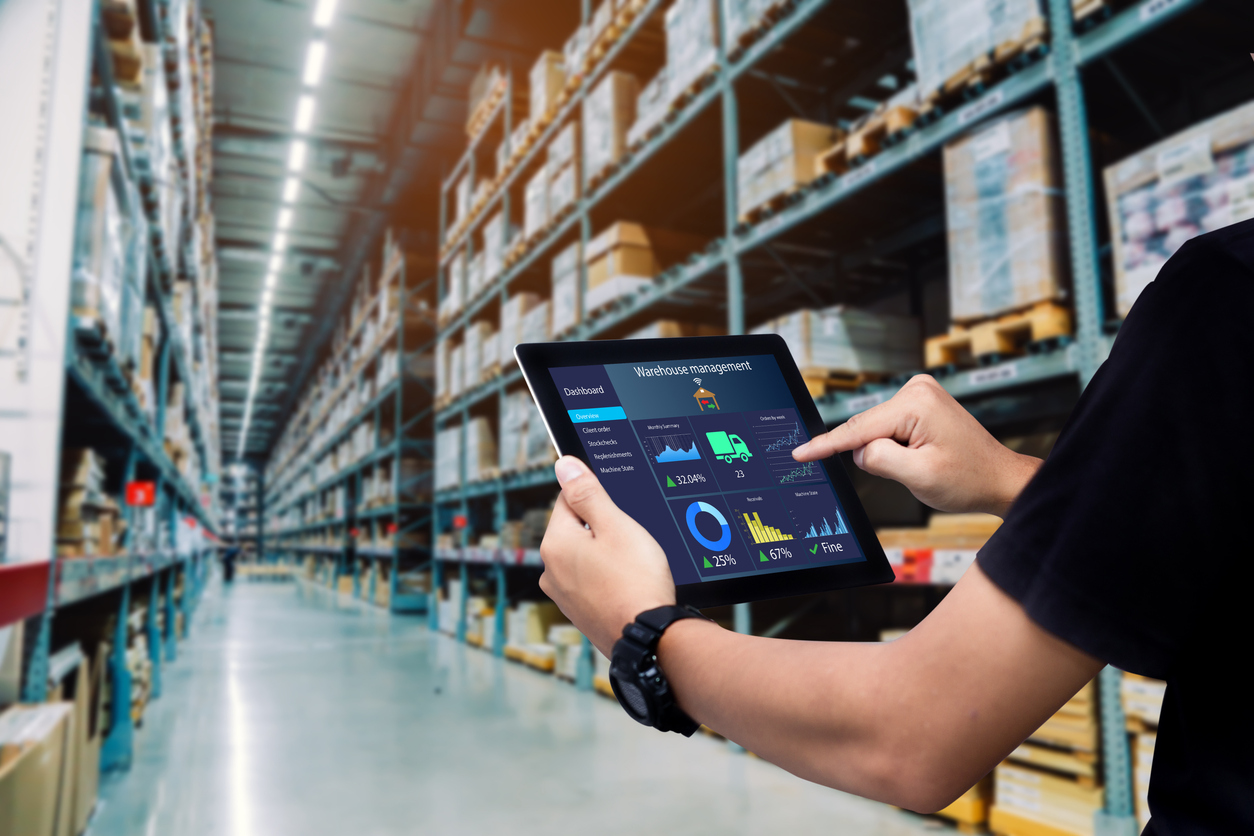
Modern humanitarian logistics increasingly relies on digital systems to improve transparency and coordination.
Key tools include:
-
Real-time shipment tracking
-
Inventory management systems
-
supply chain data analytics
-
digital procurement platforms
These technologies allow humanitarian organisations to monitor shipments, manage stock levels, and respond quickly to changes in demand.
Contractors that invest in supply chain technology can provide greater visibility and reliability during critical operations.
Supporting Humanitarian Logistics Through Trade Expertise
Although humanitarian operations are mission-driven, they rely heavily on commercial supply chain expertise. Companies experienced in international trade, sourcing, and logistics can support aid programmes by providing the infrastructure and operational capabilities required to move goods efficiently.
For example, businesses with strong supplier networks, export capabilities, and distribution channels across Africa can assist humanitarian organisations with procurement, freight coordination, and regional distribution.
Wigmore Trading works extensively in sourcing, import/export, and distribution across African markets. With established supplier relationships and logistics expertise, the company can support organisations that require reliable procurement and supply chain coordination in challenging environments.
Conclusion
Humanitarian logistics contractors are a vital part of global relief operations. By managing procurement, transportation, compliance, and distribution, these specialised providers ensure that critical supplies reach affected communities quickly and efficiently.
As humanitarian operations expand across complex regions such as Africa, strong logistics partnerships and regional supply networks are becoming increasingly important.
Organisations involved in humanitarian aid benefit greatly from working with experienced logistics and sourcing partners who understand international trade, regional infrastructure, and supply chain coordination.
Wigmore Trading can help organisations streamline sourcing, logistics, and supply chain management for operations across Africa. Contact Wigmore Trading today to learn more.




Comments are closed.