

Food Processing Factory with Low Electricity in Nigeria: Practical Solutions for Sustainable Operations

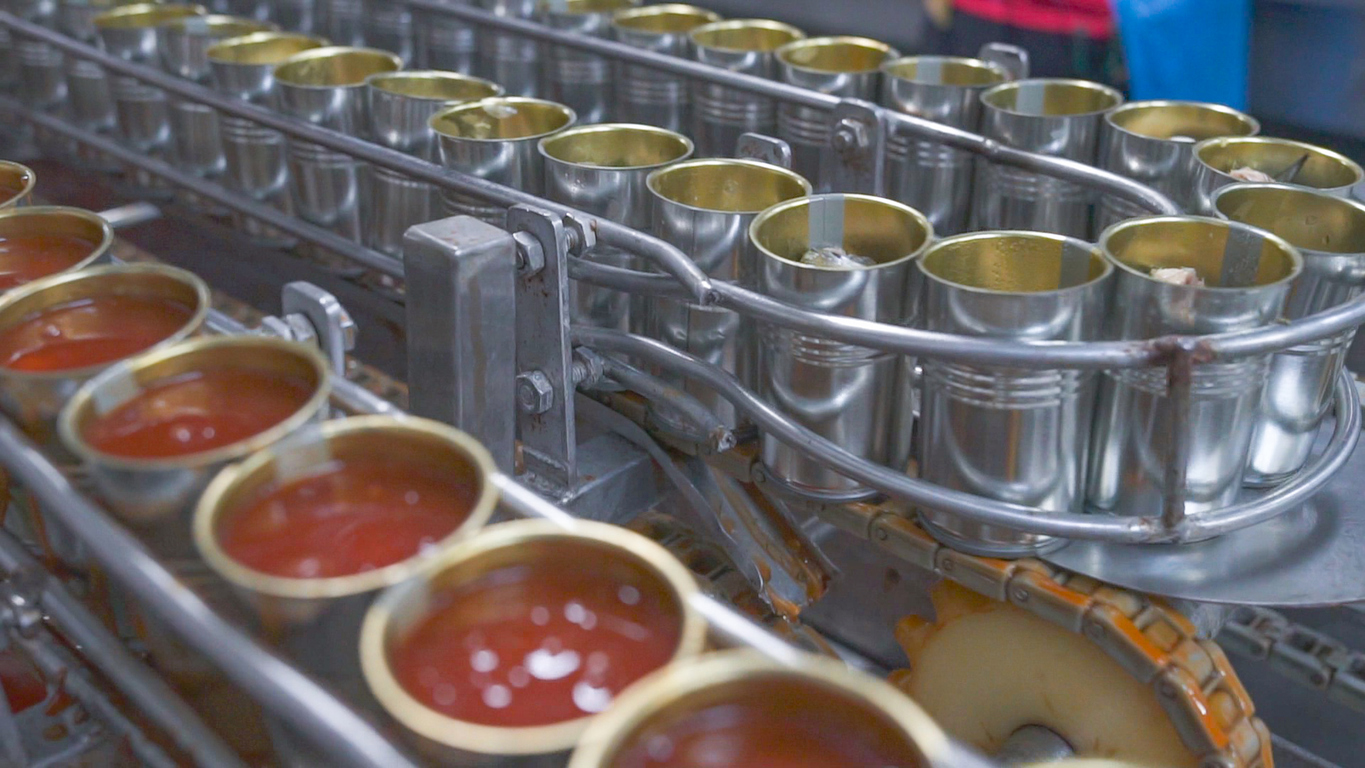
Nigeria’s food processing sector is expanding rapidly as demand grows for packaged foods, agricultural exports, and value-added products. However, one major challenge continues to affect many operators: unreliable electricity supply. For businesses planning to establish a food processing factory with low electricity in Nigeria, designing operations around energy efficiency is essential for sustainability, cost control, and consistent production.
This article explores practical strategies for operating food processing facilities in low-power environments and how supply chain partners such as Wigmore Trading can help businesses maintain efficient operations.
The Electricity Challenge in Nigeria’s Food Processing Industry
Power supply remains one of the most significant operational constraints for manufacturers in Nigeria. Many factories rely heavily on diesel generators, which significantly increase operating costs and environmental impact.
For food processing facilities, electricity is required for:
-
Grinding and milling
-
Refrigeration and cold storage
-
Packaging machinery
-
Drying and preservation
-
Water treatment and sanitation
Frequent power outages can disrupt production cycles, spoil raw materials, and delay distribution. As a result, many businesses are now seeking low-electricity food processing models that minimize dependence on continuous grid power.
Designing a Food Processing Factory with Low Electricity
A well-designed facility can operate effectively even with limited electricity by combining efficient equipment, alternative energy sources, and optimized production processes.
1. Use Energy-Efficient Processing Equipment
Modern processing equipment often consumes significantly less power than older machinery. Equipment designed for small and medium-scale production can help factories operate effectively without excessive energy demand.
Examples include:
-
Low-energy grain milling machines
-
Manual or semi-automatic sorting systems
-
Energy-efficient drying systems
-
Mechanical oil presses
Selecting equipment with lower power requirements allows factories to continue production even when operating on generator backup or solar systems.
2. Adopt Solar-Powered and Hybrid Energy Systems
Solar energy is becoming an increasingly viable option for food processors in Nigeria. Solar-powered systems can support key processes such as lighting, packaging equipment, and small processing machines.
Hybrid systems combining:
-
Solar panels
-
Battery storage
-
Backup generators
can significantly reduce reliance on diesel fuel and stabilize operations during power interruptions.
For businesses planning long-term investments, solar-powered infrastructure can lower operating costs while improving production reliability.
3. Prioritize Low-Energy Processing Methods
Some food processing techniques naturally require less electricity. Businesses can design their production models around these processes to reduce energy demand.
Examples include:
-
Sun drying or solar drying for fruits and vegetables
-
Fermentation-based products
-
Cold pressing for oils
-
Mechanical milling rather than high-speed industrial grinding
These methods are particularly suitable for agricultural products such as cassava, palm oil, grains, spices, and dried foods.
4. Optimize Factory Layout and Workflow
Efficient facility design can reduce energy consumption by minimizing unnecessary movement of raw materials and finished products.
Key considerations include:
-
Placing processing units close to storage areas
-
Designing natural ventilation systems
-
Using gravity-based material flow where possible
-
Maximizing natural lighting
Simple structural design decisions can significantly reduce the need for electrically powered systems.
Supply Chain and Raw Material Considerations
Even the most efficient factory cannot operate effectively without reliable access to raw materials and distribution networks.
Food processors must ensure:
-
Consistent sourcing of agricultural inputs
-
Proper storage and preservation of raw materials
-
Reliable packaging materials
-
Efficient transportation to markets
Disruptions in sourcing or logistics can increase costs and reduce production efficiency.
How Wigmore Trading Supports Food Processing Businesses
Operating a food processing factory with low electricity in Nigeria requires careful coordination across sourcing, logistics, and distribution.
Wigmore Trading supports food processing businesses by helping them:
-
Source high-quality agricultural commodities
-
Secure reliable packaging and processing inputs
-
Manage import and export logistics
-
Navigate regulatory and compliance requirements
-
Distribute finished goods across Nigerian and international markets
With strong experience in African trade, FMCG distribution, and supply chain management, Wigmore Trading helps manufacturers maintain consistent operations even in challenging infrastructure environments.
Conclusion
Building a food processing factory with low electricity in Nigeria is not only possible but increasingly necessary for sustainable manufacturing. By investing in energy-efficient equipment, adopting solar power solutions, and optimizing production processes, businesses can reduce energy dependence while maintaining productivity.
Successful food processing operations also depend on strong supply chain partnerships that ensure reliable sourcing, logistics, and distribution.
Wigmore Trading can help. Contact Wigmore Trading today to streamline your sourcing.
Focus Keyphrase: food processing factory with low electricity in Nigeria
Slug: food-processing-factory-low-electricity-nigeria
Meta Title: Food Processing Factory with Low Electricity in Nigeria
Meta Description: Learn how to run a food processing factory with low electricity in Nigeria using efficient equipment, solar power, and optimized supply chains.
Tags: food processing Nigeria, low electricity factories, Nigerian manufacturing, agricultural processing, Wigmore Trading






Comments are closed.