

Off Grid Power for Food Processing Plants in Africa

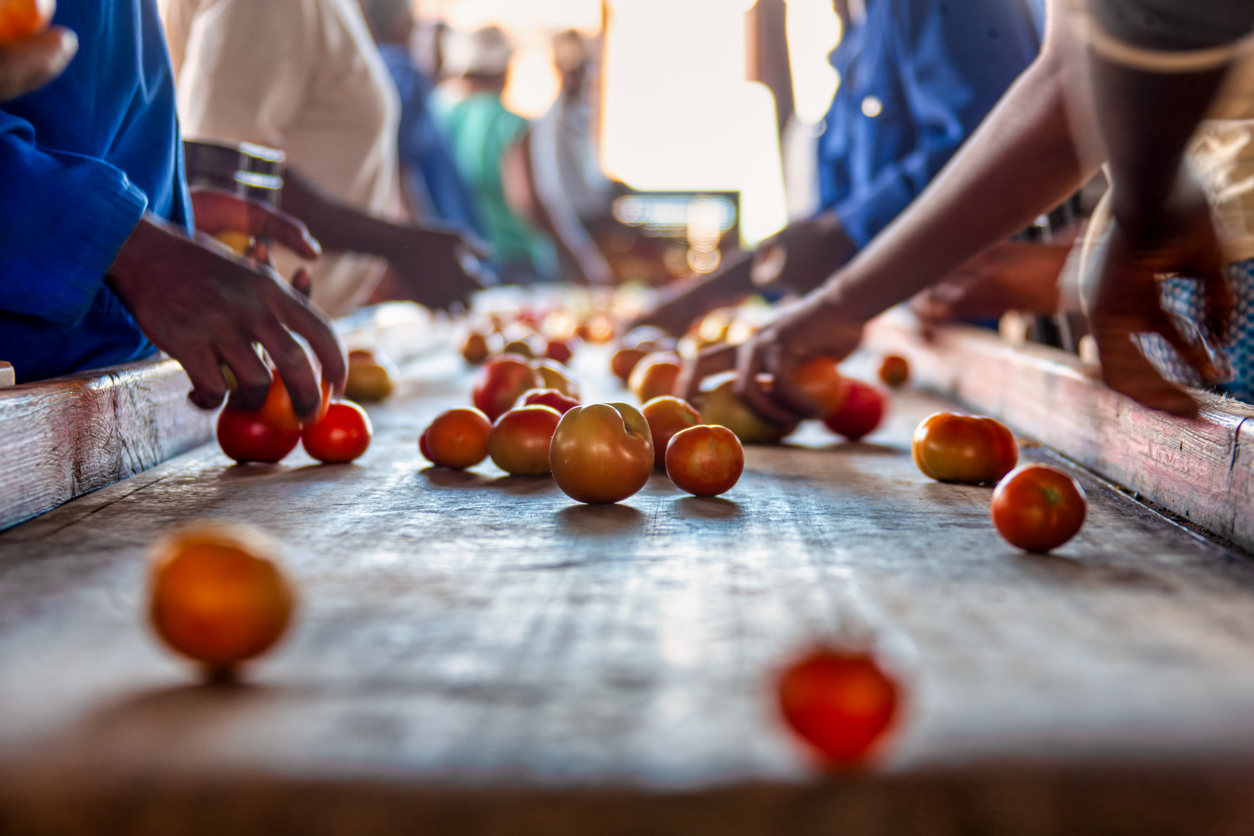
Reliable energy is essential for food processing operations. From milling grains and processing oils to refrigeration and packaging, food processing plants require consistent electricity to maintain production and preserve product quality. However, in many parts of Africa, grid electricity can be unreliable, expensive, or simply unavailable in rural agricultural regions.
As a result, many businesses are exploring off grid power for food processing plants in Africa as a practical solution to support stable production, reduce operational risks, and improve long-term sustainability.
This article explores why off-grid energy systems are becoming increasingly important for food processing operations across the continent.
Energy Challenges Facing Food Processing in Africa
Africa’s food processing sector is expanding rapidly as countries seek to reduce reliance on imported finished foods and increase value addition locally. Yet energy supply remains one of the most significant barriers to growth.
Many food processors face issues such as:
-
Frequent power outages disrupting production
-
Voltage fluctuations damaging equipment
-
High electricity costs for industrial users
-
Limited grid access in agricultural regions
-
Dependence on diesel generators
For processing plants handling perishable goods like dairy, meat, fruits, or vegetables, even short power interruptions can lead to spoilage and financial losses.
Because of these challenges, businesses are increasingly investing in off grid power systems to maintain operational stability.
What Is Off Grid Power for Food Processing Plants?
Off grid power refers to energy systems that operate independently of national electricity networks. These systems typically combine renewable energy technologies with storage and backup generation to provide continuous power.
Common solutions include:
-
Solar photovoltaic (PV) systems
-
Battery energy storage
-
Hybrid solar-diesel systems
-
Biomass or biogas generators
-
Mini-grid power systems
For food processing plants located near farming areas, off-grid energy allows facilities to operate closer to raw material sources while maintaining reliable electricity supply.
Benefits of Off Grid Power for Food Processing Plants
1. Reliable Production
Power outages can halt production lines and damage equipment. Off-grid energy systems provide more consistent electricity, allowing factories to maintain continuous operations.
Reliable energy is particularly important for processes such as:
-
Cold storage and refrigeration
-
Drying and dehydration
-
Milling and grinding
-
Packaging lines
Stable power helps ensure product quality and reduces waste.
2. Lower Long-Term Energy Costs
While initial investment in off-grid systems may be significant, renewable energy sources like solar can reduce operational energy costs over time.
For businesses that rely heavily on diesel generators, transitioning to hybrid solar systems can significantly reduce fuel expenses and maintenance costs.
3. Location Flexibility for Processing Plants
Many agricultural production areas are located far from urban centers and national grids. Off-grid power allows food processors to establish plants closer to farms, reducing transportation costs and post-harvest losses.
This approach also supports local economies by creating processing capacity in rural regions.
4. Improved Sustainability and Environmental Impact
Food companies across global supply chains are increasingly required to meet sustainability targets. Renewable off-grid power solutions reduce reliance on fossil fuels and lower carbon emissions.
For export-oriented businesses, this can improve compliance with international sustainability standards and supply chain requirements.
Off Grid Energy Options for Agro-Processing Facilities
Different food processing operations require different energy capacities. Choosing the right off-grid system depends on factors such as production scale, equipment needs, and location.
Typical solutions include:
Solar + Battery Systems
Suitable for small to medium processing facilities such as grain milling, fruit drying, or small dairy plants.
Hybrid Solar-Diesel Systems
Common for larger factories where solar provides daytime energy while generators cover peak loads or nighttime production.
Biomass Power Systems
Agricultural waste such as rice husks, palm kernel shells, or maize cobs can be used to generate power for processing plants.
Selecting the right configuration requires careful energy planning and supply chain coordination.
The Role of Logistics and Supply Chain Support
Building a successful food processing operation involves more than just installing power systems. Businesses must also manage:
-
Equipment sourcing
-
Import logistics
-
Industrial machinery procurement
-
Distribution networks for finished goods
-
Compliance with local and international regulations
Companies operating across African supply chains often require experienced partners to coordinate sourcing, shipping, and distribution.
Wigmore Trading supports businesses by helping source equipment, manage import logistics, and coordinate supply chains across African markets, making it easier for food processors to establish reliable operations in growing agricultural regions.
Conclusion
The demand for locally processed food in Africa continues to grow, but reliable energy remains a key challenge for many processing facilities. Investing in off grid power for food processing plants in Africa provides a practical solution to overcome grid limitations, reduce energy costs, and support stable production.
By combining renewable energy systems with efficient supply chain management, food processing businesses can build resilient operations that support both local agriculture and regional food security.
Wigmore Trading can help. Contact Wigmore Trading today to streamline your sourcing.






Comments are closed.