

Labour Intensive Manufacturing in West Africa: Opportunities and Supply Chain Considerations


Labour intensive manufacturing in West Africa is gaining increasing attention as governments and investors seek to diversify economies, create employment, and strengthen regional trade. With a growing population, improving infrastructure, and expanding consumer markets, the region presents significant opportunities for businesses involved in production, distribution, and supply chain management.
However, success in labour intensive industries depends not only on workforce availability but also on efficient sourcing, logistics, and market access. Companies operating in West Africa must carefully manage these elements to remain competitive.
What is Labour Intensive Manufacturing?
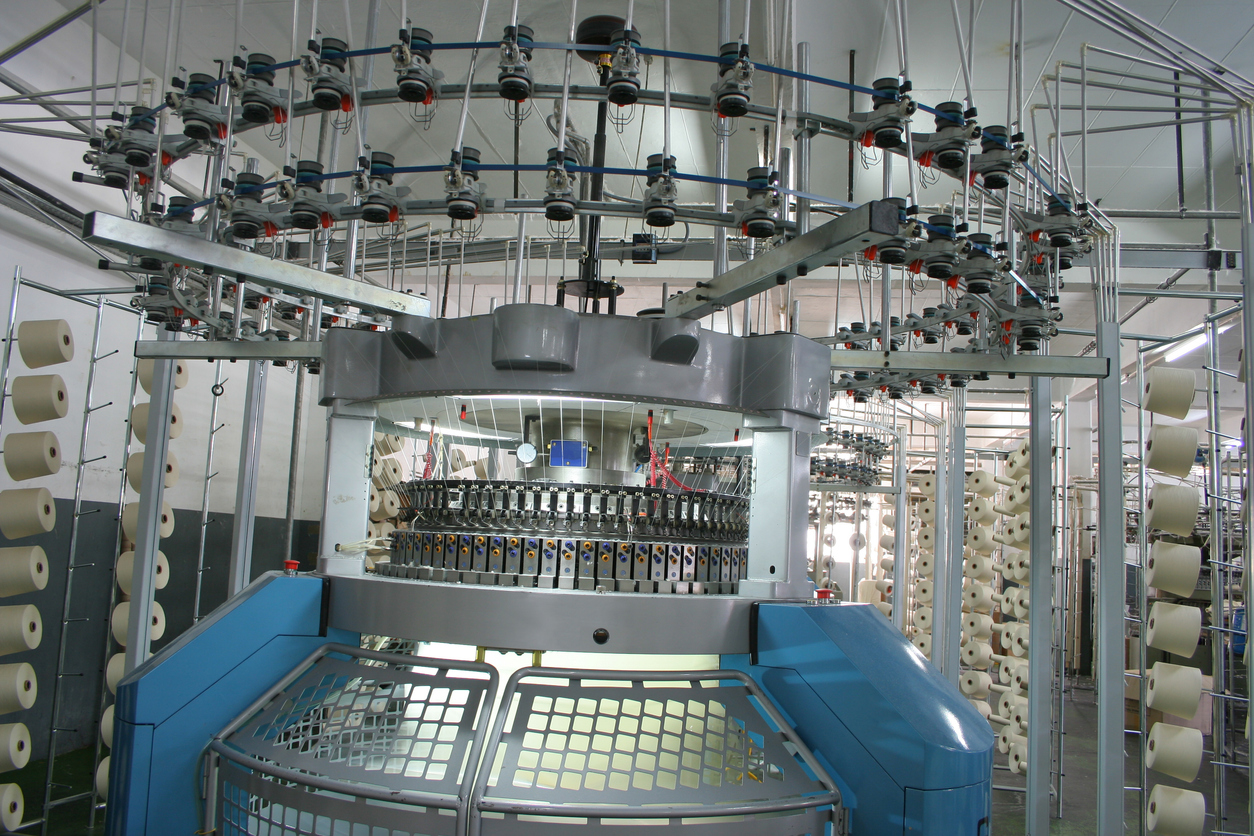
Labour intensive manufacturing refers to production processes that rely more heavily on human labour than on advanced automation or machinery. These industries typically require large workforces to carry out tasks such as assembly, processing, packaging, or finishing.
Common examples include:
-
Textile and garment manufacturing
-
Food processing and packaging
-
Agricultural product processing
-
Leather and footwear production
-
Consumer goods assembly
Because these sectors depend on workforce availability and cost efficiency, they are often located in regions where labour is abundant and relatively affordable.
Why West Africa is Attracting Manufacturing Investment
West Africa offers several factors that support the growth of labour intensive manufacturing.
1. Large and Growing Workforce
The region has one of the fastest-growing populations in the world. Countries such as Nigeria, Ghana, and Côte d’Ivoire provide a large labour pool, making it possible for manufacturers to scale production without excessive labour costs.
This demographic advantage supports industries that require significant manpower, particularly in processing, assembly, and packaging.
2. Expanding Regional Consumer Markets
West Africa’s urban populations are expanding rapidly, creating growing demand for consumer goods, FMCG products, and processed foods. Manufacturers increasingly see value in producing goods closer to these markets rather than relying entirely on imports.
Local manufacturing also reduces transportation costs and improves supply reliability for distributors and wholesalers.
3. Trade Opportunities Through AfCFTA
The African Continental Free Trade Area (AfCFTA) is expected to improve cross-border trade by reducing tariffs and simplifying trade procedures. For labour intensive manufacturers, this creates opportunities to produce in one country while serving multiple markets across the region.
However, businesses must still manage regulatory compliance, customs processes, and cross-border logistics effectively.
Key Supply Chain Challenges
Despite its potential, labour intensive manufacturing in West Africa faces several operational challenges.
Infrastructure and Logistics
Transportation networks, port congestion, and inland logistics can affect delivery timelines. Manufacturers must plan for reliable freight forwarding, warehousing, and distribution networks to avoid supply disruptions.
Raw Material Sourcing
Many manufacturers depend on imported raw materials or components. Delays in procurement or customs clearance can slow production and increase operational costs.
Working with experienced sourcing and supply chain partners can help mitigate these risks.
Compliance and Trade Regulations
Import/export procedures, customs documentation, and regulatory standards vary across West African markets. Businesses must ensure compliance with both local and international trade regulations when sourcing materials or exporting finished goods.
The Role of Supply Chain Partners
To support labour intensive manufacturing, businesses require efficient supply chain management across sourcing, logistics, and distribution.
Experienced trading and logistics companies can assist with:
-
Sourcing raw materials and industrial inputs
-
Managing import and export processes
-
Warehousing and distribution
-
Coordinating bulk shipments and wholesale supply
-
Ensuring regulatory compliance
Wigmore Trading supports manufacturers and distributors operating across West Africa by helping manage sourcing, logistics, and supply chain coordination. By streamlining procurement and distribution processes, companies can focus more effectively on production and market expansion.
The Future of Labour Intensive Manufacturing in West Africa
As regional economies continue to diversify, labour intensive manufacturing is likely to play an increasingly important role in job creation and industrial development. With growing consumer demand and improved trade integration through AfCFTA, the region offers long-term opportunities for manufacturers and investors.
However, successful operations require strong supply chain infrastructure, efficient sourcing, and reliable distribution networks.
Businesses that build resilient supply chains will be better positioned to take advantage of the region’s manufacturing potential.
Conclusion
Labour intensive manufacturing in West Africa presents meaningful opportunities for businesses seeking to expand production and serve growing regional markets. While workforce availability is a major advantage, success depends on effective logistics, sourcing, and compliance management.
Companies that invest in strong supply chain partnerships can overcome operational challenges and scale efficiently within the region.
Wigmore Trading can help. Contact Wigmore Trading today to streamline your sourcing and supply chain operations across West Africa.




Comments are closed.