
Profitable Opportunities in Ethanol Production from Cassava in Nigeria

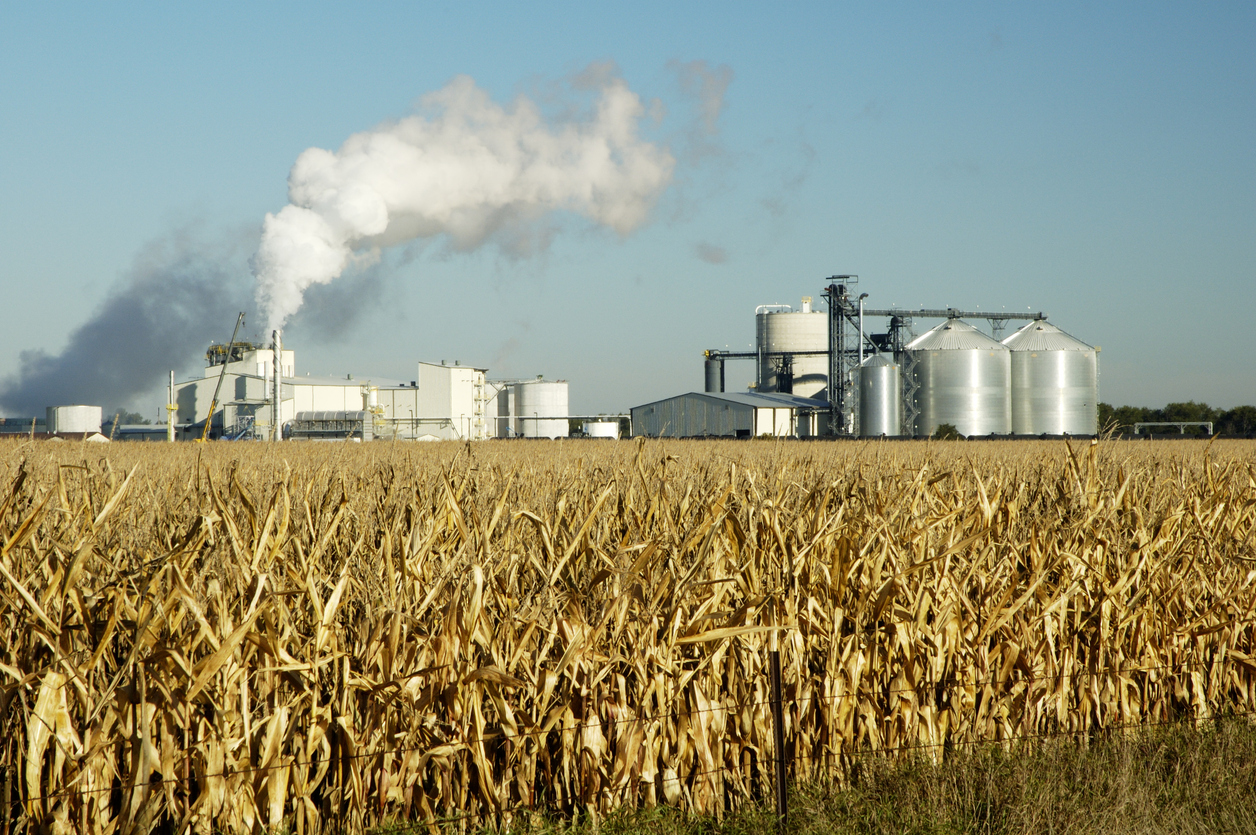
Nigeria is one of the world’s largest producers of cassava, making it a strategic hub for biofuel development. Ethanol production from cassava in Nigeria is gaining attention as industries seek sustainable energy alternatives and locally sourced raw materials. Beyond energy, cassava-based ethanol supports sectors such as pharmaceuticals, food processing, and FMCG manufacturing.
Understanding how this value chain works—and where the challenges lie—is essential for businesses looking to participate in or benefit from this growing industry.
The Role of Cassava in Nigeria’s Industrial Landscape
Cassava is widely cultivated across Nigeria due to its adaptability and high yield potential. Traditionally used for food products like garri and starch, cassava is increasingly being processed into industrial inputs such as ethanol.
Ethanol derived from cassava is used in:
-
Biofuel blending for transportation
-
Beverage and food processing industries
-
Pharmaceutical and cosmetic manufacturing
This diversification creates new demand channels and encourages investment in processing infrastructure. However, scaling ethanol production requires efficient sourcing, consistent quality, and reliable logistics—areas where supply chain coordination is critical.
Ethanol Production from Cassava in Nigeria: Process Overview
The production process involves converting cassava starch into fermentable sugars, which are then distilled into ethanol. The key stages include:
-
Raw Material Sourcing: Fresh cassava roots are harvested and transported to processing facilities.
-
Starch Extraction: The roots are peeled, grated, and processed to extract starch.
-
Fermentation: Enzymes convert starch into sugars, which are fermented using yeast.
-
Distillation: The fermented mixture is distilled to produce ethanol.
Each stage depends heavily on timing and quality control. Cassava deteriorates quickly after harvest, making efficient logistics essential to prevent losses and ensure optimal yield.
Key Challenges in Cassava-Based Ethanol Production
Despite its potential, ethanol production from cassava in Nigeria faces several operational and structural challenges:
Supply Chain Inefficiencies
Cassava farming is often fragmented, with smallholder farmers lacking access to structured markets. This leads to inconsistent supply and pricing volatility.
Post-Harvest Losses
Cassava roots have a short shelf life, which increases the risk of spoilage during transportation and storage.
Infrastructure Gaps
Limited processing facilities and inadequate transportation networks can hinder large-scale production and distribution.
Regulatory and Compliance Issues
Ethanol production involves strict quality and environmental standards. Navigating regulatory requirements can be complex for new entrants.
Strengthening the Value Chain for Sustainable Growth
To unlock the full potential of ethanol production from cassava in Nigeria, businesses must focus on building resilient and efficient supply chains.
Structured Sourcing Networks
Establishing reliable procurement channels with farmers or cooperatives ensures a steady supply of raw materials. Aggregation models can help reduce fragmentation and improve consistency.
Investment in Logistics and Storage
Efficient transport systems and temporary storage solutions can significantly reduce post-harvest losses. Cold chain alternatives or rapid processing systems may also improve efficiency.
Quality Control and Compliance
Implementing standardised processing methods and adhering to regulatory guidelines ensures product quality and market acceptance.
Market Integration
Connecting producers with industrial buyers—such as fuel blenders and manufacturers—helps stabilise demand and supports long-term growth.
How Wigmore Trading Supports Ethanol Supply Chains
Navigating the complexities of ethanol production requires expertise in sourcing, logistics, and compliance. Wigmore Trading works with businesses across Nigeria and West Africa to streamline supply chains and improve operational efficiency.
For companies involved in cassava-based ethanol production, Wigmore Trading can support:
-
Sourcing: Connecting businesses with reliable cassava suppliers and farmer networks
-
Logistics: Managing transportation and distribution to minimise delays and losses
-
Regulatory Guidance: Assisting with compliance requirements for local and export markets
-
Market Access: Facilitating connections with industrial buyers and distributors
By aligning sourcing and logistics strategies, businesses can reduce risks and improve profitability within the ethanol value chain.
Conclusion
Ethanol production from cassava in Nigeria presents a significant opportunity for industrial growth, renewable energy development, and agricultural value addition. However, success depends on efficient supply chain management, infrastructure investment, and regulatory compliance.
As demand for sustainable and locally sourced industrial inputs continues to grow, businesses that prioritise structured sourcing and logistics will be better positioned to scale operations and remain competitive.
Wigmore Trading can help. Contact Wigmore Trading today to streamline your sourcing.






Comments are closed.