
A Practical Guide to Warehouse and Factory Space in Nigeria

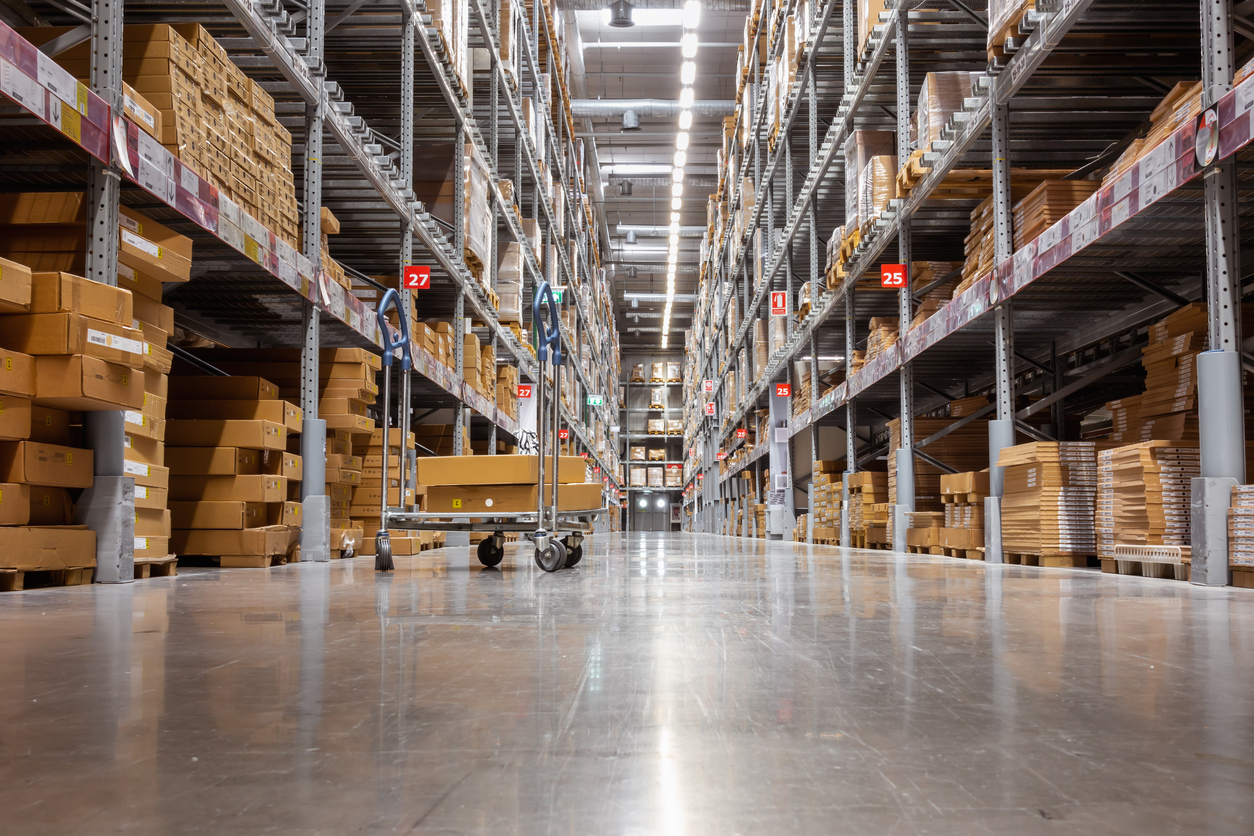
Nigeria’s position as a leading commercial hub in West Africa makes it a strategic destination for businesses seeking to expand manufacturing, storage, and distribution operations. Securing the right warehouse and factory space in Nigeria is a critical step for companies involved in import/export, FMCG, wholesale distribution, and industrial production.
This guide explores key considerations, locations, and strategies to help businesses make informed decisions when leasing or acquiring industrial space in Nigeria.
Understanding the Demand for Industrial Space
Nigeria’s growing population, increasing urbanisation, and expanding consumer markets have driven demand for efficient supply chains. As a result, businesses require well-located warehouses and factories to support:
- Import and export operations
- Storage and distribution of FMCG goods
- Light and heavy manufacturing
- E-commerce fulfilment
Industrial real estate demand is particularly strong in cities with access to ports, highways, and large consumer bases.
Key Locations for Warehouse and Factory Space
Choosing the right location is essential for cost efficiency and operational success. The most strategic areas include:
Lagos
Lagos is Nigeria’s commercial capital and home to major ports such as Apapa and Tin Can Island. It offers:
- Proximity to import/export channels
- Established industrial zones (e.g., Ikeja, Amuwo-Odofin)
- Access to a large consumer market
However, high demand means higher rental costs and congestion challenges.
Ogun State
Located near Lagos, Ogun State is a preferred alternative for manufacturers due to:
- Lower land and rental costs
- Industrial estates like Agbara and Ota
- Good connectivity to Lagos ports
This makes it ideal for factory setups and large-scale warehousing.
Abuja
As the capital city, Abuja offers:
- Central access to northern and southern markets
- Modern infrastructure
- Growing demand for distribution hubs
It is particularly suitable for businesses targeting nationwide logistics.
Port Harcourt
A key hub for oil and gas operations, Port Harcourt also supports:
- Industrial storage
- Regional distribution in the South-South
Factors to Consider When Leasing Industrial Space
When evaluating warehouse and factory space in Nigeria, businesses should assess several critical factors:
1. Accessibility and Infrastructure
Efficient logistics depend on road quality, proximity to ports, and ease of transportation. Poor infrastructure can increase delivery times and costs.
2. Power Supply
Reliable electricity is essential for manufacturing and storage. Many facilities rely on generators, which can significantly impact operating expenses.
3. Security
Warehouses storing high-value goods require robust security systems, including gated access and surveillance.
4. Regulatory Compliance
Businesses must ensure compliance with local zoning laws, environmental regulations, and import/export requirements.
5. Cost Structure
Costs vary depending on location, facility size, and infrastructure. Businesses should consider both upfront leasing costs and ongoing operational expenses.
Common Challenges in Nigeria’s Industrial Space Market
Despite its opportunities, the Nigerian industrial property market presents several challenges:
- Inconsistent infrastructure in some regions
- Complex regulatory processes
- Limited availability of modern, high-spec facilities
- Rising demand leading to competitive pricing
Addressing these challenges requires local expertise and strong supply chain planning.
How to Optimise Your Warehouse and Factory Setup
To maximise efficiency, businesses should adopt a strategic approach:
- Select locations aligned with distribution routes to reduce transportation costs
- Invest in scalable facilities that can accommodate business growth
- Leverage third-party logistics (3PL) providers for flexibility
- Ensure proper inventory management systems to minimise losses
Working with experienced partners can significantly reduce risk and improve operational efficiency.
The Role of Strategic Partners
Navigating the complexities of securing and managing warehouse and factory space in Nigeria often requires local knowledge and industry expertise. From sourcing suitable facilities to handling logistics and compliance, having a reliable partner can streamline the entire process.
Wigmore Trading supports businesses by helping them identify suitable industrial spaces, manage supply chains, and optimise distribution networks across Nigeria and West Africa. Their experience in logistics and trade ensures that operations remain efficient and compliant with local regulations.
Conclusion
Securing the right warehouse and factory space is a foundational step for businesses operating in Nigeria’s dynamic market. By carefully selecting locations, understanding cost structures, and addressing infrastructure challenges, companies can build efficient and scalable operations.
With the right strategy and support, Nigeria offers significant opportunities for growth in manufacturing, distribution, and trade.
Wigmore Trading can help. Contact Wigmore Trading today to streamline your sourcing.






Comments are closed.