
How to Buy and Export Knitting Machines from China with Wigmore Trading

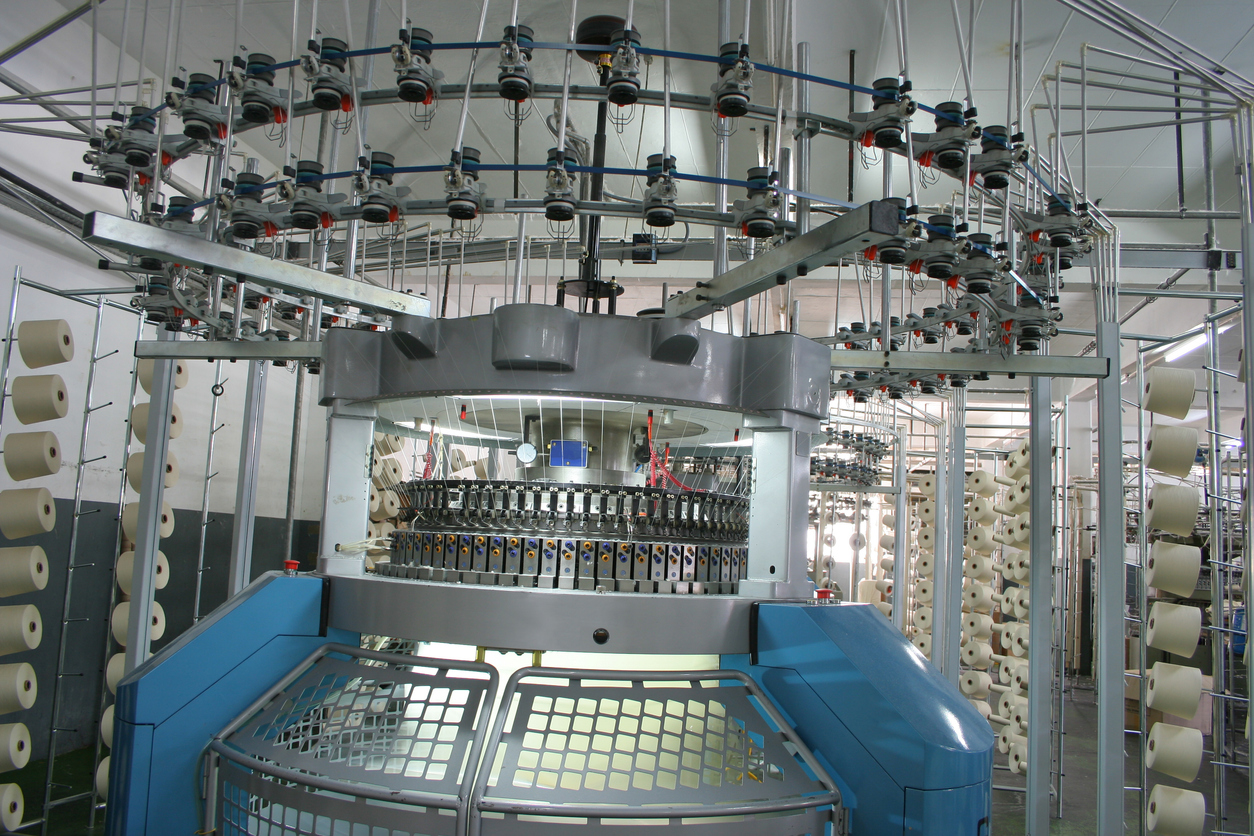
The global textile industry continues to expand across Africa, driven by rising demand for garments, uniforms, and industrial fabrics. For businesses looking to scale production efficiently, sourcing high-quality knitting machines from China offers a cost-effective and technologically advanced solution. However, navigating supplier selection, export documentation, and logistics can be complex without the right expertise.
This guide explains how to buy and export knitting machines from China with Wigmore Trading, ensuring a streamlined and reliable procurement process.
Why Source Knitting Machines from China?
China remains a leading manufacturer of textile machinery, including circular knitting machines, flat knitting machines, warp knitting machines, and computerized knitting systems. Businesses benefit from:
- Competitive pricing due to large-scale manufacturing
- Advanced technology with automation and digital controls
- Wide supplier base offering various machine specifications
- Customization options for specific production needs
For African importers and distributors, China provides access to modern equipment that supports efficient, large-scale textile production.
Key Considerations When Buying Knitting Machines
Before placing an order, it is essential to evaluate several technical and commercial factors:
1. Machine Type and Capacity
Different machines serve different purposes. Circular knitting machines are ideal for mass production, while flat knitting machines are suited for detailed garment work. Understanding your production goals helps determine the right investment.
2. Supplier Verification
Working with verified manufacturers is critical. This includes checking:
- Business licenses and certifications
- Production capabilities
- Export experience
- Customer reviews or references
3. Quality Standards
Ensure machines meet international standards and include warranties, spare parts availability, and after-sales support.
4. Compliance and Documentation
Exporting machinery requires proper documentation such as:
- Commercial invoices
- Packing lists
- Certificates of origin
- Import permits (depending on destination country)
Failure to comply can lead to delays or additional costs.
Challenges in Importing Knitting Machines
While sourcing from China offers advantages, businesses often face operational challenges:
- Difficulty identifying reliable suppliers
- Language and communication barriers
- Complex shipping and customs procedures
- Risk of receiving substandard equipment
- Limited visibility into production and quality control
These challenges can disrupt supply chains and impact business performance if not managed properly.
How Wigmore Trading Supports the Process
Wigmore Trading provides end-to-end support for businesses looking to import textile machinery efficiently and securely.
Supplier Sourcing and Verification
Wigmore Trading works with trusted manufacturers, ensuring that suppliers meet quality, compliance, and reliability standards. This reduces the risk of fraud or poor-quality equipment.
Negotiation and Procurement
With experience in international trade, Wigmore Trading helps secure competitive pricing and favorable terms, including payment structures and delivery timelines.
Quality Control and Inspection
Pre-shipment inspections ensure that machines meet agreed specifications before they leave the factory. This step is critical in avoiding costly returns or operational issues.
Logistics and Shipping Management
Shipping heavy industrial equipment requires careful planning. Wigmore Trading coordinates:
- Freight forwarding (sea or air)
- Container loading and handling
- Insurance coverage
- Delivery tracking
Customs Clearance and Compliance
Navigating import regulations in African markets can be complex. Wigmore Trading ensures all documentation is accurate and compliant, helping to avoid delays at ports.
Benefits of Working with Wigmore Trading
Partnering with Wigmore Trading offers several advantages for importers and distributors:
- Reduced operational risk through verified sourcing
- Improved efficiency in procurement and logistics
- Access to global suppliers without the need for direct negotiation
- End-to-end supply chain support from factory to final destination
- Local expertise in African markets, ensuring smooth import processes
This integrated approach allows businesses to focus on production and sales while minimizing supply chain disruptions.
Practical Tips for First-Time Importers
If you are importing knitting machines for the first time, consider the following:
- Start with a clear specification of your production needs
- Request detailed quotations including shipping costs
- Factor in import duties and taxes
- Plan for installation and technical training
- Work with experienced partners to manage logistics and compliance
These steps help ensure a successful and cost-effective investment.
Conclusion
Sourcing textile machinery from China presents a significant opportunity for businesses looking to expand manufacturing capacity in Africa. However, the process requires careful planning, supplier verification, and efficient logistics management.
By choosing to buy and export knitting machines from China with Wigmore Trading, businesses gain access to reliable suppliers, streamlined shipping processes, and expert support across the entire supply chain.
Wigmore Trading can help. Contact Wigmore Trading today to streamline your sourcing.






Comments are closed.