
ICSID Claims Venezuela: What Businesses Need to Know About Investment Disputes

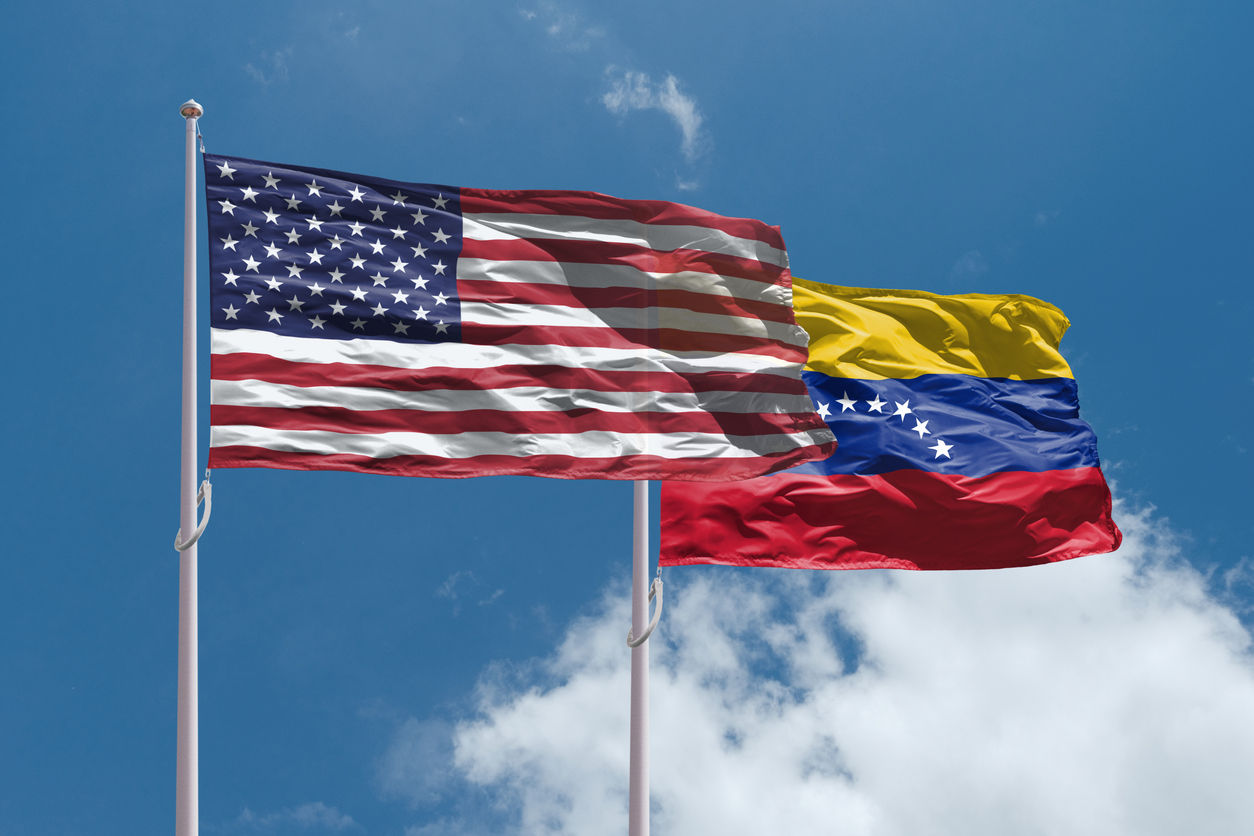
ICSID claims Venezuela have become a defining feature of global investment disputes over the past two decades. For businesses involved in international trade, energy, FMCG, or infrastructure, these cases highlight the legal and operational risks of operating in politically volatile markets.
Understanding how ICSID claims work—and why Venezuela has been at the center of so many disputes—is essential for companies managing cross-border investments, sourcing, and supply chains.
What Are ICSID Claims?
The International Centre for Settlement of Investment Disputes (ICSID) is a World Bank-backed institution that resolves disputes between foreign investors and sovereign states.
ICSID claims typically arise when:
- A government expropriates or nationalises foreign-owned assets
- Investment agreements or bilateral treaties are breached
- Investors are treated unfairly or face regulatory discrimination
These disputes are resolved through arbitration, and awards can result in governments paying significant compensation to investors.
Why Venezuela Faces So Many ICSID Claims
Venezuela has been involved in numerous ICSID claims, particularly since the early 2000s. Several key factors explain this:
1. Nationalisation of Key Industries
The Venezuelan government nationalised major sectors such as oil, mining, and manufacturing. This led to claims from multinational companies seeking compensation for seized assets.
2. Oil Sector Disputes
High-profile cases involving companies like ConocoPhillips and ExxonMobil have resulted in multi-billion-dollar arbitration awards tied to energy investments.
3. Economic Instability and Sanctions
Sanctions and economic challenges have disrupted business operations, prompting additional claims from companies forced to exit the market.
4. Withdrawal from ICSID
Venezuela withdrew from the ICSID Convention in 2012, citing sovereignty concerns. However, this did not eliminate existing obligations or prevent new claims under alternative frameworks.
Key Examples of ICSID Claims Against Venezuela
Several notable cases illustrate the scale and complexity of these disputes:
- ConocoPhillips: Award exceeding $8 billion for expropriated oil assets
- ExxonMobil: Multiple claims tied to oil projects, with mixed outcomes
- Halliburton: Recent claim linked to operational disruptions and sanctions
- Smurfit and other investors: Claims based on unfair treatment and asset seizure
These cases demonstrate that ICSID claims Venezuela span multiple sectors—not just oil, but also manufacturing and food production.
Challenges in Enforcing ICSID Awards
Winning an ICSID claim does not guarantee payment. Enforcement remains one of the biggest challenges.
Limited Enforcement Mechanisms
ICSID awards must be enforced through national courts, requiring investors to identify and seize foreign assets belonging to the state.
Sovereign Immunity Issues
Certain state-owned assets may be protected from seizure, complicating recovery efforts.
Political and Legal Complexity
Sanctions, diplomatic tensions, and competing claims over state assets often delay or limit enforcement.
For businesses, this highlights a key risk: even successful legal action may not result in immediate financial recovery.
What ICSID Claims Mean for Global Trade and Investment
ICSID claims Venezuela offer important lessons for companies engaged in international trade, particularly in emerging markets:
1. Political Risk Is Real
Government policy changes can significantly impact investments, especially in strategic sectors.
2. Legal Protections Matter
Bilateral investment treaties (BITs) and structured contracts play a critical role in protecting investor rights.
3. Diversification Is Essential
Relying heavily on a single high-risk market increases exposure to disputes and losses.
Practical Risk Mitigation Strategies for Businesses
Companies involved in sourcing, distribution, or export markets can take proactive steps to reduce exposure:
Conduct Thorough Due Diligence
Assess political, legal, and economic risks before entering new markets.
Structure Contracts Carefully
Use international arbitration clauses and ensure compliance with investment treaties.
Build Flexible Supply Chains
Diversify sourcing and logistics networks to avoid disruptions.
Partner with Experienced Trade Firms
Working with established partners can help navigate regulatory and operational challenges.
This is where firms like Wigmore Trading provide value—supporting businesses with sourcing, logistics coordination, and compliance across complex markets.
The Role of Wigmore Trading in Managing Trade Risk
For companies operating in volatile or emerging markets, managing risk is just as important as securing supply.
Wigmore Trading supports businesses by:
- Sourcing reliable suppliers across global and African markets
- Managing logistics and distribution efficiently
- Ensuring compliance with import/export regulations
- Providing strategic guidance on market entry and diversification
By leveraging experienced partners, businesses can reduce exposure to legal disputes and operational disruptions similar to those seen in ICSID claims Venezuela.
Conclusion
ICSID claims Venezuela highlight the intersection of international law, politics, and global trade. While arbitration provides a pathway for investors to seek compensation, enforcement challenges and geopolitical factors make these disputes complex and prolonged.
For businesses, the key takeaway is clear: risk management, legal protection, and supply chain resilience are essential when operating in uncertain environments.
Wigmore Trading can help. Contact Wigmore Trading today to streamline your sourcing.





Comments are closed.