
How to Profit from Venezuela Economic Reopening

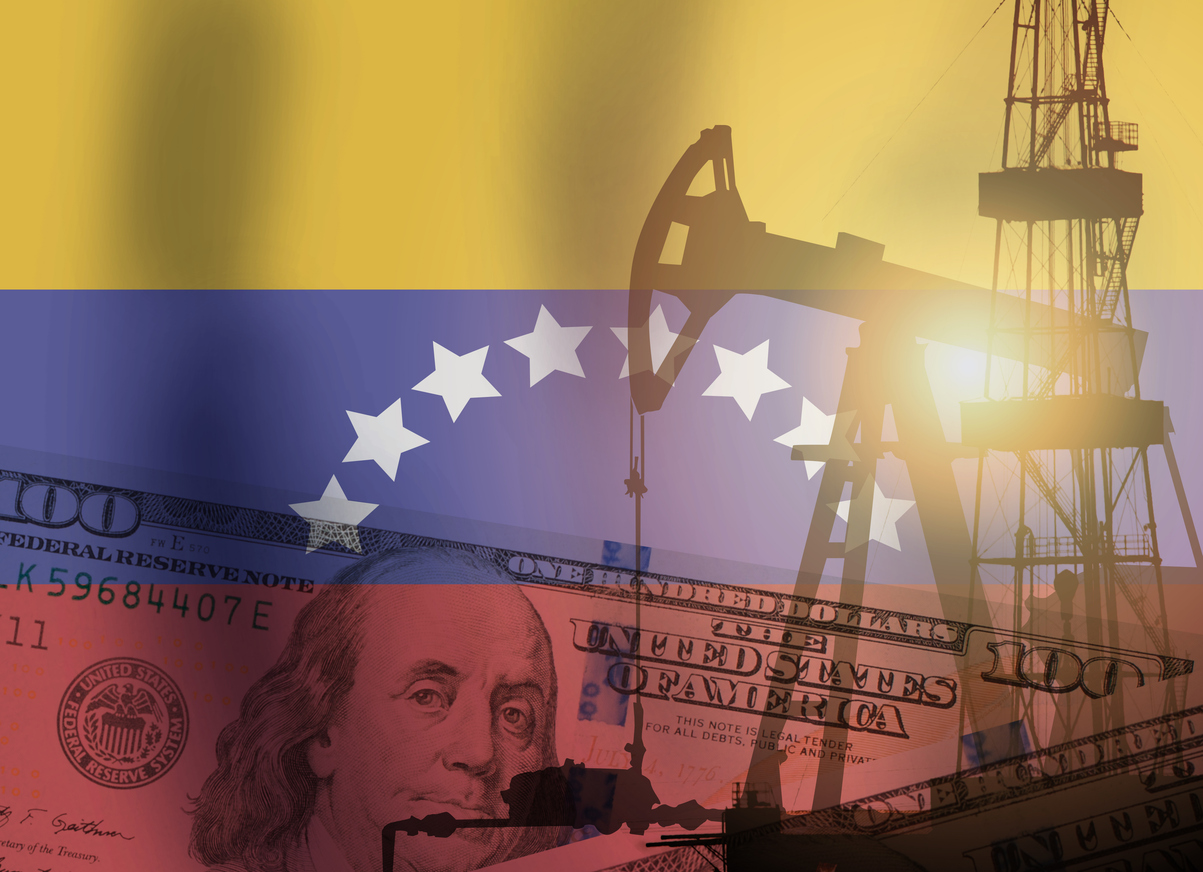
The Venezuela economic reopening is emerging as a significant development in global trade, particularly for industries such as energy, FMCG, and logistics. After years of economic contraction, sanctions, and political instability, Venezuela is gradually re-entering international markets. This transition presents both opportunities and risks for importers, exporters, and distributors looking to engage with one of the world’s most resource-rich economies.
Background: From Collapse to Recovery
Venezuela experienced one of the sharpest economic contractions in modern history, with GDP shrinking by over 70% between 2012 and 2020 due to policy mismanagement and sanctions . However, recent years have shown signs of recovery:
- GDP growth reached approximately 7–9% in 2024–2025
- Oil production has rebounded to over 1 million barrels per day
- Currency controls have eased, allowing more foreign transactions
Despite this progress, inflation remains extremely high and economic conditions are still volatile, highlighting the complexity of Venezuela’s reopening.
Key Drivers of Venezuela’s Economic Reopening
1. Oil Sector Liberalisation
The reopening is largely driven by reforms in the oil industry. Venezuela holds the world’s largest proven oil reserves, and recent policy changes have:
- Opened the sector to private and foreign investment
- Allowed more flexible profit-sharing arrangements
- Encouraged international arbitration frameworks
These changes are designed to restore investor confidence and increase export revenues.
2. Easing of Sanctions
Partial easing of international sanctions has enabled Venezuela to resume limited oil exports and re-engage with global markets. This has already led to renewed trade flows and investment discussions.
3. Trade and Currency Reforms
The government has reduced some trade barriers and allowed foreign currency usage in domestic transactions, improving conditions for importers and distributors .
Trade Opportunities for Importers and Exporters
The Venezuela economic reopening creates several commercial opportunities:
Energy and Commodities
Oil remains the backbone of Venezuela’s economy. Increased production and exports are driving demand for:
- Shipping and logistics services
- Equipment and industrial supplies
- Commodity trading partnerships
FMCG and Consumer Goods
Years of economic hardship have led to supply shortages. As purchasing power stabilises, demand is rising for:
- Packaged foods and beverages
- Personal care products
- Pharmaceuticals and household goods
Infrastructure and Industrial Imports
Rebuilding Venezuela’s infrastructure requires imports of:
- Construction materials
- Machinery and spare parts
- Electrical and industrial equipment
For African and international exporters, this presents a growing market with relatively low competition compared to more saturated regions.
Key Challenges and Risks
While opportunities are increasing, businesses must carefully navigate several risks:
Political and Regulatory Uncertainty
Frequent policy changes and geopolitical tensions can disrupt trade flows and contracts.
Currency Volatility and Inflation
Inflation levels exceeding 100% annually can complicate pricing, payments, and financial planning .
Compliance and Sanctions
Even with partial easing, sanctions remain complex. Companies must ensure strict compliance with international trade regulations.
Logistics Constraints
Port infrastructure, customs processes, and inland transport systems may still face inefficiencies after years of underinvestment.
Supply Chain Considerations
For companies entering the Venezuelan market, a well-structured supply chain is critical. Key considerations include:
- Partnering with experienced logistics providers
- Ensuring documentation and compliance processes are robust
- Diversifying payment mechanisms to manage currency risk
- Using regional distribution hubs to reduce exposure
Wigmore Trading supports businesses by providing sourcing, logistics coordination, and compliance expertise, helping clients navigate complex emerging markets like Venezuela efficiently.
The Role of Strategic Trade Partners
Entering a recovering market requires reliable local and international partners. Companies benefit from:
- Established supplier networks
- Knowledge of customs and import regulations
- Risk management strategies for volatile markets
Wigmore Trading works with global suppliers and distributors to streamline procurement and delivery, ensuring goods move efficiently even in challenging environments.
Conclusion
The Venezuela economic reopening marks a pivotal shift in global trade dynamics. While the country’s recovery is uneven and risks remain, the reopening presents tangible opportunities in energy, FMCG, and industrial sectors. Businesses that approach the market with careful planning, strong compliance, and strategic partnerships can position themselves for long-term growth.
Wigmore Trading can help. Contact Wigmore Trading today to streamline your sourcing and distribution into emerging markets like Venezuela.





Comments are closed.