
Food Wholesale in Nigeria: How Businesses Can Source Smarter

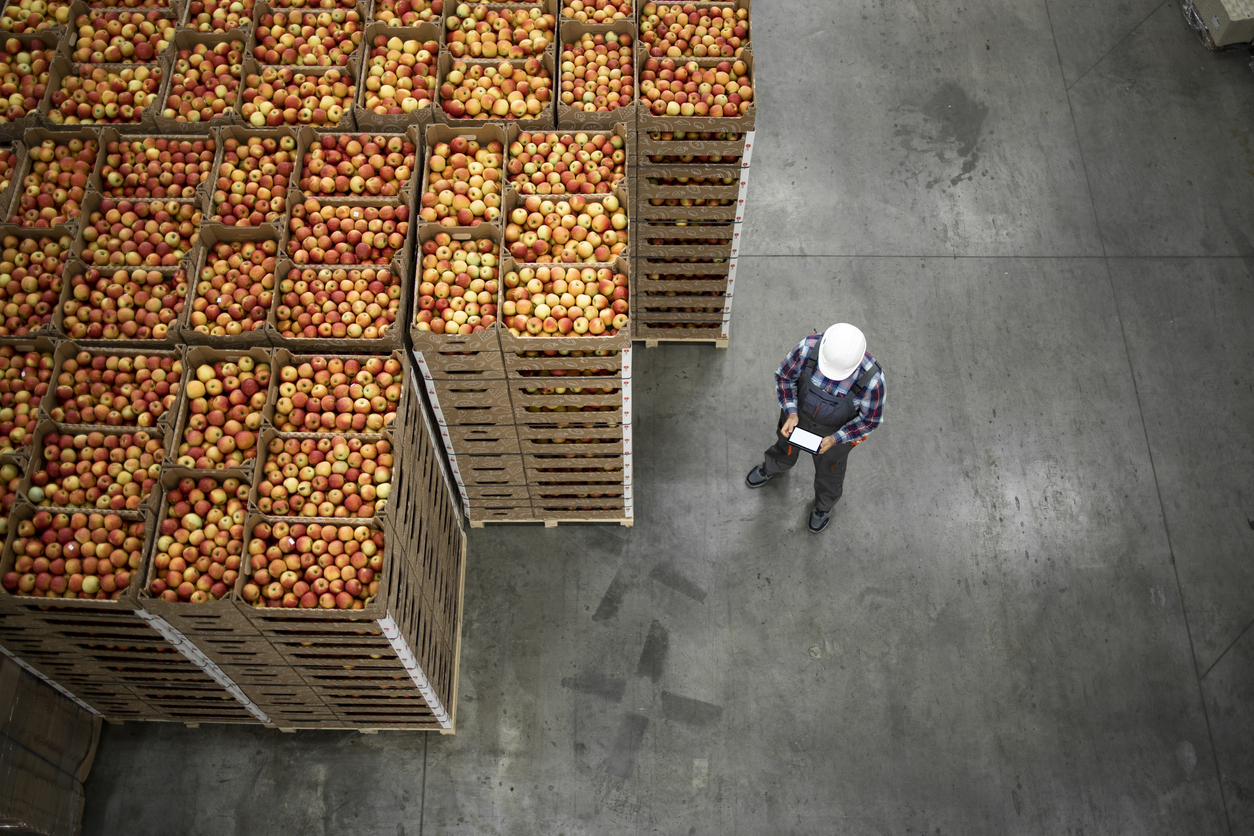
Nigeria’s food market is one of the largest and most dynamic in Africa. With a growing population, rising urban demand, and expanding retail and hospitality sectors, the need for reliable bulk food supply has increased across the country. For supermarkets, restaurants, distributors, caterers, FMCG businesses, and institutional buyers, food wholesale in Nigeria is not just about finding products at lower prices. It is about securing consistent quality, dependable delivery, and a supply chain that can support long-term growth.
This is where a structured wholesale approach matters. Businesses that buy food in bulk need more than access to stock. They need trusted sourcing partners, efficient logistics, proper documentation, and market knowledge that helps reduce delays and unnecessary costs. For many businesses operating in Nigeria, these factors directly affect profitability and customer satisfaction.
Understanding Food Wholesale in Nigeria
Food wholesale in Nigeria involves the bulk purchase and distribution of food products to retailers, hospitality businesses, food service operators, processors, and other commercial buyers. The sector covers a wide range of products, including rice, flour, sugar, edible oils, pasta, beverages, canned goods, spices, cereals, and other packaged and staple food items.
The wholesale segment plays a central role in the Nigerian economy because it links manufacturers, importers, and suppliers with the businesses that serve end consumers. Without efficient wholesalers and supply chain partners, product shortages, price instability, and delivery disruptions can become common.
For buyers, the goal is usually straightforward: source quality products at competitive prices while maintaining a steady supply. In practice, however, achieving that goal requires careful supplier selection, stock planning, and logistics coordination.
Why Demand for Wholesale Food Supply Is Growing
Several factors continue to drive demand for food wholesale in Nigeria.
First, Nigeria’s large population creates sustained consumption across staple and packaged food categories. Second, urbanisation has increased the number of supermarkets, convenience stores, restaurants, quick-service outlets, and catering businesses that require regular wholesale supply. Third, changing consumer habits have expanded demand for branded packaged foods, imported products, and consistent product availability.
At the same time, many businesses want to simplify procurement by working with suppliers that can offer multiple product categories under one arrangement. Instead of dealing with many separate vendors, buyers increasingly prefer wholesale partners that can support sourcing, warehousing, distribution, and delivery planning in a more organised way.
This need is especially important for businesses that operate across several locations or depend on predictable stock levels to serve customers efficiently.
Common Challenges in Food Wholesale in Nigeria
Although the opportunity is strong, businesses often face several challenges when trying to buy food wholesale in Nigeria.
Inconsistent Product Availability
One of the most common issues is unreliable stock. A supplier may offer attractive pricing initially but fail to deliver consistently over time. This can create serious problems for retailers and food service businesses that depend on regular replenishment.
Price Volatility
Food prices can fluctuate due to exchange rate pressure, transport costs, seasonal factors, and import-related expenses. For wholesale buyers, poor planning around pricing can weaken margins and make it difficult to maintain stable resale prices.
Logistics and Delivery Delays
Late deliveries can disrupt store operations, food service schedules, and distribution commitments. In a market where timing matters, inefficient transport and weak supply chain coordination can be costly.
Quality Control Concerns
Wholesale food buyers need products that meet expected standards in packaging, shelf life, and handling. Poor storage conditions or weak supplier controls can lead to damaged stock, spoilage, or customer complaints.
Compliance and Documentation
For imported food products especially, proper compliance, customs handling, and documentation are essential. Businesses that do not work with experienced trade and logistics partners may face avoidable delays or regulatory complications.
What Businesses Should Look for in a Food Wholesaler
Choosing the right supplier is one of the most important decisions in food wholesale in Nigeria. Price matters, but it should not be the only factor. A strong wholesale partner should be able to support the broader supply chain needs of the business.
Broad Product Access
A useful wholesaler should be able to source multiple food categories, helping buyers consolidate procurement and reduce complexity. This is especially valuable for supermarkets, distributors, and institutional buyers with varied stock requirements.
Reliable Supply Chain Support
Consistency is essential. Buyers should assess whether the supplier has the operational capacity to maintain product flow, manage inventory, and respond to changes in demand.
Transparent Pricing and Terms
Wholesale arrangements work best when pricing, order quantities, timelines, and payment terms are clearly defined. This reduces misunderstandings and helps businesses forecast more accurately.
Distribution Capability
A supplier with established logistics and distribution support can reduce the burden on the buyer. This includes planning deliveries, handling warehousing where necessary, and ensuring products move efficiently through the supply chain.
Market and Import Expertise
In many cases, buyers also benefit from working with a partner that understands import processes, sourcing channels, and regulatory requirements. This can be especially important for imported packaged foods or specialised wholesale requirements.
The Role of Wigmore Trading in Wholesale Food Supply
For businesses looking for dependable food wholesale in Nigeria, working with an experienced trade and supply chain partner can make the process more efficient and less risky. Wigmore Trading supports businesses through sourcing, importation, distribution, and logistics solutions tailored to commercial supply needs.
Rather than functioning as just a seller of products, Wigmore Trading helps businesses manage the practical realities of wholesale procurement. This includes identifying suitable supply options, supporting product movement, and helping buyers maintain continuity in challenging market conditions.
For companies that need food products sourced locally or internationally, Wigmore Trading can assist with supplier coordination and trade processes. For businesses that require dependable movement of goods, the company’s logistics and distribution capabilities can support smoother delivery planning. This kind of integrated support is valuable for wholesalers, retailers, hospitality operators, and other bulk buyers that cannot afford prolonged supply disruptions.
How to Improve Wholesale Food Procurement
Businesses can strengthen their procurement strategy by focusing on a few practical areas.
Build Relationships with Trusted Partners
Long-term supply relationships are usually more valuable than one-off purchasing decisions. Working with dependable partners improves communication, planning, and continuity.
Forecast Demand More Accurately
Understanding seasonal demand, customer buying patterns, and sales cycles helps businesses order more effectively. Better forecasting reduces both stockouts and excess inventory.
Consolidate Sourcing Where Possible
Managing too many suppliers can increase complexity. Consolidating food sourcing through a capable wholesale partner can improve oversight and streamline operations.
Prioritise Logistics Planning
Transport and delivery should be considered part of the purchasing decision, not an afterthought. A good procurement strategy includes lead times, storage planning, and realistic distribution schedules.
Verify Product Quality and Compliance
Before scaling purchases, buyers should confirm product specifications, shelf life expectations, packaging standards, and relevant documentation. This protects the business and improves customer confidence.
Why Efficient Food Wholesale Matters
In Nigeria’s competitive commercial environment, efficient food sourcing helps businesses stay resilient. Retailers need shelves stocked. Distributors need dependable flow. Restaurants and caterers need supplies that arrive on time and meet quality expectations. When wholesale procurement fails, the impact spreads quickly across the business.
By treating food wholesale in Nigeria as a strategic function rather than a basic buying task, businesses can improve cost control, strengthen service delivery, and reduce operational disruptions. This is especially important in sectors where margins are tight and customer expectations are high.
Conclusion
Food wholesale in Nigeria is a critical part of the country’s commercial supply chain. As demand for bulk food products continues to grow, businesses need sourcing arrangements that are reliable, practical, and professionally managed. The most successful buyers are usually those that look beyond unit price and focus on supply consistency, logistics, quality assurance, and operational support.
For businesses that want a more dependable and organised approach to wholesale food supply, the right partner can make a measurable difference.
Wigmore Trading can help. Contact Wigmore Trading today to streamline your sourcing.






Comments are closed.