
Food Supply for Small Businesses in Nigeria: A Practical Guide to Reliable Sourcing

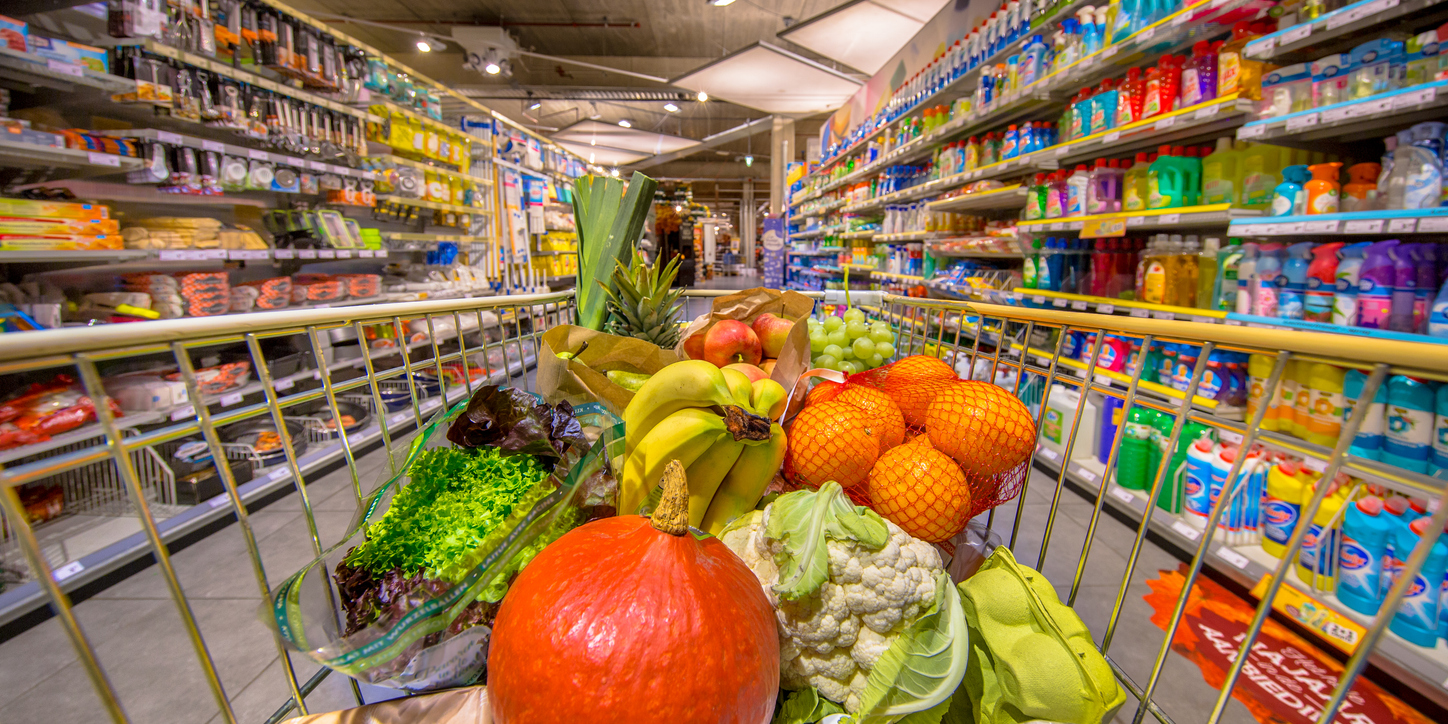
Small businesses in Nigeria—especially those in food retail, catering, and FMCG distribution—depend heavily on consistent, affordable, and high-quality supply chains. However, sourcing food products efficiently remains a major challenge due to fluctuating prices, logistics bottlenecks, and inconsistent quality standards. Understanding how to build a reliable food supply for small businesses in Nigeria is essential for long-term growth and profitability.
Understanding the Food Supply Landscape in Nigeria
Nigeria’s food supply chain is complex and often fragmented. It involves multiple layers including farmers, aggregators, wholesalers, transporters, and retailers. For small businesses, navigating this system can lead to:
- Price volatility due to seasonality and inflation
- Limited access to bulk purchasing opportunities
- Inconsistent product quality
- Delays in transportation and delivery
These challenges can directly impact profit margins, customer satisfaction, and business stability.
Key Challenges in Food Supply for Small Businesses in Nigeria
1. Inconsistent Supply and Seasonality
Many food products in Nigeria are seasonal, which leads to shortages and price spikes. For example, staple goods like rice, beans, and tomatoes often fluctuate significantly in availability.
2. Logistics and Transportation Issues
Poor road infrastructure and high fuel costs increase transportation expenses. This affects the final cost of goods and can delay deliveries, especially for perishable items.
3. Lack of Standardisation
Quality inconsistency is a common issue. Small businesses often struggle to maintain uniform product standards when sourcing from multiple suppliers.
4. Limited Access to Trusted Suppliers
Finding reliable, verified suppliers can be difficult, particularly for newer businesses without established networks.
Building a Reliable Food Supply Chain
To overcome these challenges, small businesses must adopt structured sourcing strategies.
Work with Established Distributors
Partnering with established distributors helps ensure consistent access to quality products. Distributors often have stronger relationships with producers and can negotiate better pricing.
Buy in Bulk Strategically
Bulk purchasing reduces cost per unit and protects against price fluctuations. However, this must be balanced with storage capacity and shelf life considerations.
Diversify Suppliers
Relying on a single supplier increases risk. Having multiple sourcing options helps maintain continuity during shortages or disruptions.
Invest in Storage Solutions
Proper storage—especially for perishable goods—reduces waste and improves inventory management. Cold storage and dry storage facilities can significantly enhance efficiency.
How Wigmore Trading Supports Food Supply for Small Businesses in Nigeria
For many small businesses, managing sourcing, logistics, and supplier verification independently can be overwhelming. This is where working with a structured supply chain partner becomes valuable.
Wigmore Trading supports businesses by providing:
- Access to a wide network of verified local and international food suppliers
- Bulk sourcing solutions tailored to small and medium-sized enterprises
- End-to-end logistics support, including transportation and warehousing
- Assistance with importation, customs clearance, and compliance
By streamlining procurement and logistics, businesses can focus more on sales, customer service, and growth rather than operational challenges.
Importance of Compliance and Quality Control
Food businesses must also ensure compliance with Nigerian regulations, including NAFDAC standards and import guidelines. Failure to meet these requirements can lead to penalties or product seizures.
Working with experienced partners helps ensure that:
- Products meet regulatory standards
- Documentation is accurate and complete
- Supply chains remain transparent and traceable
Quality control is equally critical. Consistent product quality builds customer trust and strengthens brand reputation.
Leveraging Technology in Food Supply Chains
Digital tools are increasingly transforming how small businesses manage supply chains in Nigeria. Inventory management systems, supplier platforms, and logistics tracking tools can:
- Improve order accuracy
- Reduce stockouts and overstocking
- Enhance visibility across the supply chain
Businesses that adopt these tools gain a competitive advantage through efficiency and better decision-making.
Conclusion
Establishing a reliable food supply for small businesses in Nigeria requires a combination of strategic sourcing, strong partnerships, and efficient logistics management. While the challenges in Nigeria’s food supply chain are significant, they can be effectively managed with the right approach.
By working with experienced supply chain partners, investing in proper storage and logistics, and ensuring compliance with regulatory standards, small businesses can build resilient and scalable operations.
Wigmore Trading can help. Contact Wigmore Trading today to streamline your sourcing.






Comments are closed.