
Food Supply for Bakeries in Nigeria: Reliable Sourcing and Distribution Strategies

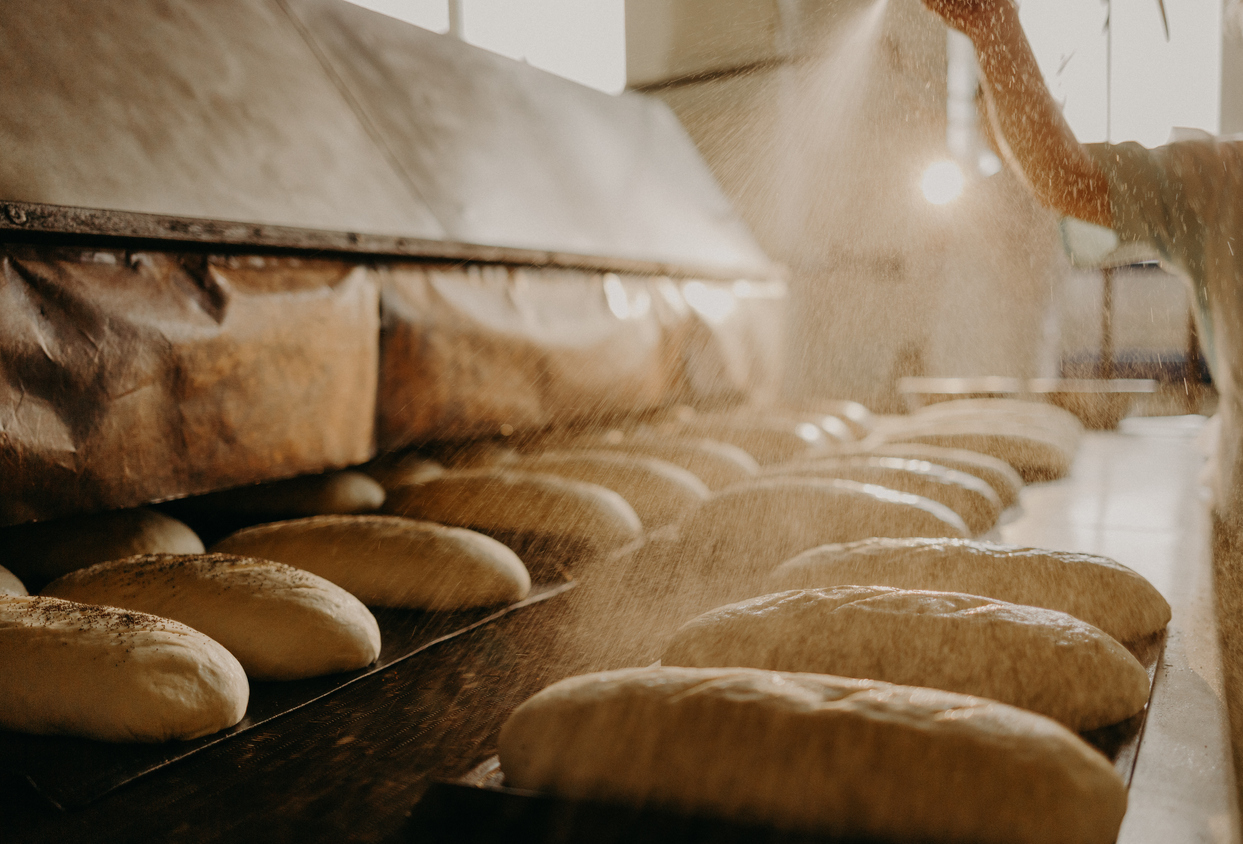
The bakery industry in Nigeria continues to grow steadily, driven by rising urban populations and increasing demand for bread, pastries, and confectionery products. However, consistent access to high-quality ingredients remains a major challenge for many operators. Establishing a reliable food supply for bakeries in Nigeria is essential for maintaining product quality, controlling costs, and ensuring uninterrupted production.
This article explores key supply considerations, common challenges, and practical solutions for bakeries seeking efficient sourcing and distribution.
Understanding the Core Ingredients in Bakery Supply Chains
A typical bakery relies on a range of essential inputs, including:
- Wheat flour
- Sugar
- Yeast and baking powder
- Margarine and butter
- Milk and dairy products
- Eggs
- Flavorings and additives
In Nigeria, some of these inputs—especially wheat—are largely imported, making supply chains vulnerable to currency fluctuations, port delays, and global price volatility. This creates a need for structured procurement strategies and dependable suppliers.
Challenges in Food Supply for Bakeries in Nigeria
1. Inconsistent Supply and Price Volatility
Fluctuations in exchange rates and import dependencies often lead to unstable pricing for flour and other raw materials. This affects production planning and profit margins.
2. Logistics and Distribution Bottlenecks
Delays at ports, poor road infrastructure, and inefficient last-mile delivery can disrupt supply timelines, particularly for bakeries operating at scale.
3. Quality Control Issues
Variability in ingredient quality can impact final product consistency. For example, differences in flour protein content can alter dough performance.
4. Storage and Shelf-Life Constraints
Perishable inputs such as dairy and eggs require proper storage conditions. Without reliable cold chain logistics, wastage becomes a concern.
Strategies for Reliable Bakery Supply Chains
Build Relationships with Trusted Suppliers
Working with established suppliers ensures consistent quality and availability. Long-term partnerships can also provide better pricing stability and priority access during shortages.
Diversify Sourcing Channels
Relying on a single supplier increases risk. Bakeries should consider multiple sourcing options—both local and international—to maintain flexibility.
Invest in Inventory Planning
Effective demand forecasting and inventory management help bakeries avoid stockouts or overstocking. Maintaining safety stock for key ingredients is particularly important in volatile markets.
Leverage Bulk Purchasing
Buying in bulk reduces per-unit costs and helps buffer against price fluctuations. However, this must be balanced with proper storage capacity and shelf-life considerations.
The Role of Distribution and Logistics Partners
Efficient logistics play a critical role in ensuring timely delivery of raw materials. A structured distribution network can help bakeries:
- Reduce lead times
- Minimise transport costs
- Ensure product integrity during transit
- Improve supply chain visibility
This is especially important for bakeries operating across multiple locations or supplying large retail networks.
How Wigmore Trading Supports Bakery Supply Chains
For businesses seeking a dependable food supply for bakeries in Nigeria, working with an experienced sourcing and distribution partner can significantly improve efficiency.
Wigmore Trading supports bakeries by:
- Sourcing high-quality raw materials from verified global and local suppliers
- Managing import processes, including documentation and compliance
- Providing warehousing and distribution solutions across Nigeria
- Ensuring consistent supply through structured procurement systems
By integrating sourcing and logistics, Wigmore Trading helps bakeries maintain stable operations even in challenging market conditions.
Ensuring Compliance and Quality Standards
Food safety and regulatory compliance are critical in the bakery industry. Businesses must ensure that all ingredients meet standards set by regulatory bodies such as NAFDAC.
Key practices include:
- Verifying supplier certifications
- Conducting quality checks on arrival
- Maintaining proper storage conditions
- Keeping accurate documentation for traceability
A professional supply partner can assist in ensuring that all imported and locally sourced goods meet required standards.
Future Trends in Bakery Supply Chains in Nigeria
The bakery sector is evolving, with increased focus on:
- Local sourcing of alternative flours (e.g., cassava blends)
- Digital supply chain management tools
- Improved cold chain infrastructure
- Sustainable and cost-efficient logistics solutions
Bakeries that adapt to these trends will be better positioned to manage costs and meet growing consumer demand.
Conclusion
Establishing a reliable food supply for bakeries in Nigeria is essential for long-term success. From sourcing quality ingredients to managing logistics and compliance, every stage of the supply chain plays a crucial role in maintaining efficiency and product consistency.
By adopting structured procurement strategies and working with experienced partners, bakeries can overcome common challenges and build resilient operations.
Wigmore Trading can help. Contact Wigmore Trading today to streamline your sourcing.





Comments are closed.