
Food Delivery Wholesale in Nigeria: A Strategic Guide for Businesses

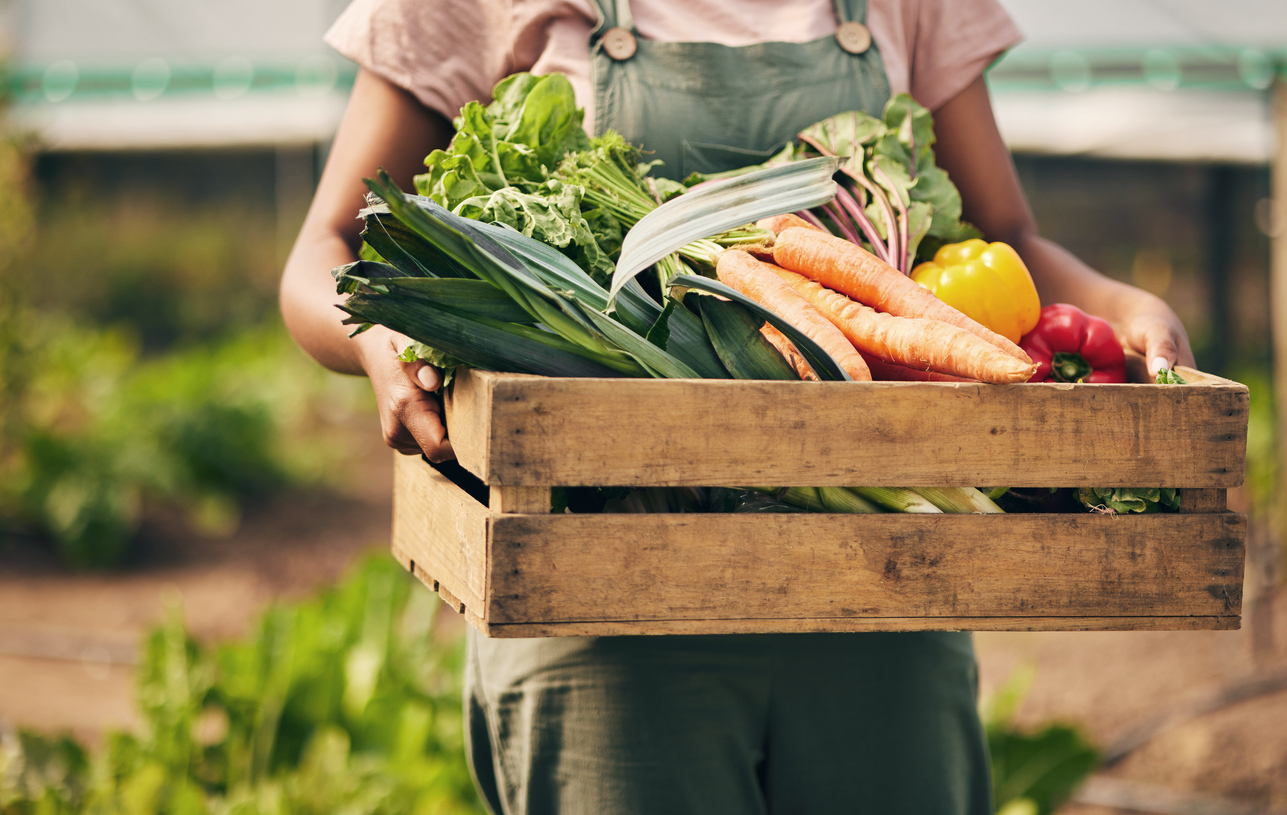
Nigeria’s food delivery market has expanded rapidly in recent years, driven by urbanisation, changing consumer habits, and the rise of digital ordering platforms. For restaurants, retailers, and food service providers, securing reliable supply chains is critical to meeting demand. This is where food delivery wholesale in Nigeria plays a central role, enabling businesses to source products efficiently, maintain consistency, and scale operations sustainably.
Understanding Food Delivery Wholesale in Nigeria
Food delivery wholesale refers to the bulk sourcing and distribution of food products—ranging from packaged goods and fresh produce to frozen items—for businesses involved in food delivery services. These wholesalers act as intermediaries between manufacturers and end-service providers, ensuring consistent supply at competitive prices.
In Nigeria, the sector includes:
- FMCG distributors supplying packaged food and beverages
- Agricultural aggregators providing fresh produce
- Importers handling specialty or international food items
- Logistics providers managing cold chain and last-mile delivery
For businesses operating in Lagos, Abuja, and other urban centres, partnering with a reliable wholesale supplier is essential to maintain quality and operational efficiency.
Key Challenges in Food Supply Chains
Despite growth opportunities, businesses relying on food delivery wholesale in Nigeria often face several operational challenges:
1. Inconsistent Supply
Seasonal fluctuations, import delays, and fragmented supplier networks can lead to stock shortages.
2. Quality Control Issues
Maintaining consistent product quality—especially for perishables—remains a major concern without proper storage and handling systems.
3. Logistics and Distribution Constraints
Poor infrastructure and limited cold chain capabilities can affect timely delivery and product freshness.
4. Regulatory Compliance
Import regulations, food safety standards, and customs processes can complicate sourcing, particularly for international products.
How Efficient Wholesale Partnerships Improve Operations
A structured wholesale supply chain provides several advantages:
- Cost Efficiency: Bulk purchasing reduces unit costs and improves margins
- Consistency: Reliable suppliers ensure steady product availability
- Scalability: Businesses can expand operations without worrying about supply gaps
- Simplified Procurement: Centralised sourcing reduces administrative complexity
Working with experienced distributors helps businesses focus on customer experience while maintaining backend efficiency.
The Role of Logistics in Food Delivery Wholesale in Nigeria
Logistics is a critical component of wholesale operations. Efficient transportation, warehousing, and inventory management ensure that food products reach businesses in optimal condition.
Key logistics considerations include:
- Temperature-controlled storage for perishable goods
- Timely last-mile delivery to restaurants and vendors
- Inventory tracking to avoid overstocking or shortages
Companies that integrate logistics with wholesale distribution offer a significant advantage by reducing delays and spoilage.
How Wigmore Trading Supports Food Delivery Businesses
Navigating the complexities of food delivery wholesale in Nigeria requires expertise in sourcing, logistics, and compliance. Wigmore Trading provides integrated solutions tailored to businesses in the food supply chain.
Their services include:
- Product Sourcing: Access to a wide network of local and international suppliers
- Import & Export Support: Handling customs clearance and regulatory requirements
- Distribution Services: Efficient delivery systems across key Nigerian markets
- Supply Chain Management: Streamlining procurement and inventory processes
By combining sourcing and logistics capabilities, Wigmore Trading helps businesses maintain consistent supply while reducing operational risks.
Choosing the Right Wholesale Partner
When selecting a wholesale supplier, businesses should consider:
- Reliability: Proven track record of consistent delivery
- Product Range: Ability to supply diverse food categories
- Logistics Capability: Strong distribution and storage infrastructure
- Compliance Expertise: Knowledge of local and international regulations
A dependable partner not only ensures product availability but also supports long-term business growth.
Future Outlook for Food Delivery Wholesale in Nigeria
The sector is expected to grow alongside Nigeria’s expanding digital economy and increasing demand for convenience-based services. Key trends include:
- Growth of online food delivery platforms
- Increased demand for imported and specialty food products
- Investment in cold chain logistics and warehousing
- Greater emphasis on food safety and traceability
Businesses that invest in strong wholesale partnerships will be better positioned to capitalise on these trends.
Conclusion
Food delivery wholesale in Nigeria is a vital component of the country’s evolving food service ecosystem. While challenges such as logistics and supply inconsistencies persist, strategic partnerships with experienced distributors can significantly improve efficiency and reliability.
By leveraging structured sourcing and logistics solutions, businesses can maintain product quality, reduce costs, and scale effectively in a competitive market.
Wigmore Trading can help. Contact Wigmore Trading today to streamline your sourcing.






Comments are closed.