
Reliable Cold Room Rental in Nigeria for Perishable Goods

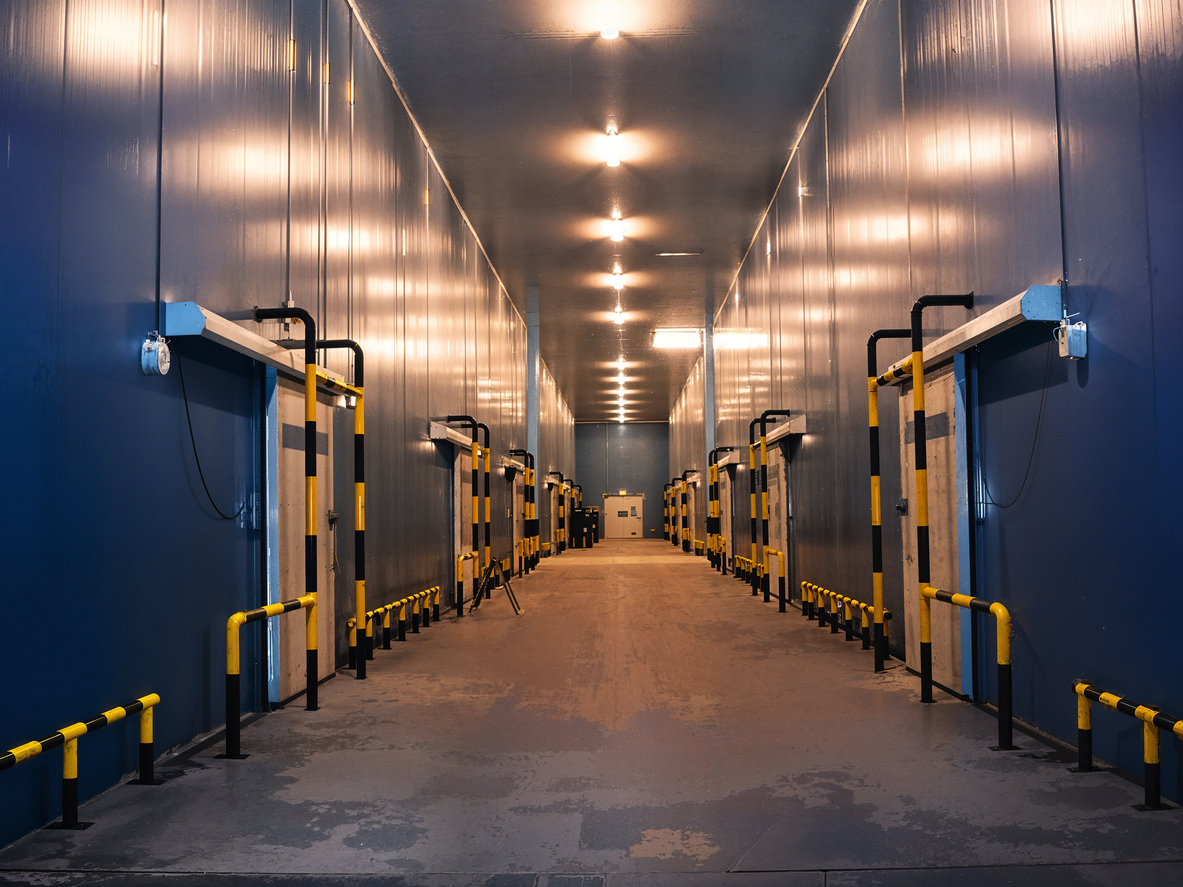
Cold storage plays a critical role in preserving perishable goods across Nigeria’s fast-growing food, pharmaceutical, and FMCG sectors. For many businesses, investing in permanent cold storage infrastructure is expensive and inflexible. This is where cold room rental in Nigeria offers a practical, cost-effective alternative.
Whether you are a food distributor, importer, retailer, or logistics provider, understanding how cold room rental works—and how to use it efficiently—can significantly improve your supply chain performance.
Why Cold Storage Is Essential in Nigeria
Nigeria’s climate presents unique challenges for businesses handling temperature-sensitive goods. High ambient temperatures and inconsistent power supply can quickly lead to spoilage, product loss, and reduced shelf life.
Cold storage helps businesses to:
- Maintain product quality and safety
- Reduce waste and financial losses
- Extend shelf life of perishable goods
- Meet regulatory and food safety standards
- Improve inventory planning and distribution efficiency
For industries such as seafood, poultry, dairy, pharmaceuticals, and fresh produce, reliable cold storage is not optional—it is essential.
What Is Cold Room Rental in Nigeria?
Cold room rental in Nigeria refers to leasing temperature-controlled storage space instead of building and maintaining your own facility. These facilities are designed to store goods at specific temperature ranges depending on product requirements.
Typical temperature categories include:
- Chilled storage (0°C to 8°C)
- Frozen storage (-18°C and below)
- Blast freezing for rapid cooling
Rental options are usually flexible, allowing businesses to scale storage based on demand—daily, weekly, or monthly.
Key Benefits of Cold Room Rental
1. Lower Capital Investment
Building a cold room requires significant upfront costs, including equipment, installation, and backup power systems. Renting eliminates this burden and allows businesses to allocate capital elsewhere.
2. Operational Flexibility
Demand for storage often fluctuates due to seasonality, imports, or market trends. Rental solutions allow businesses to scale up or down without long-term commitments.
3. Reduced Maintenance Responsibility
Cold storage facilities require constant monitoring and maintenance. With rental services, these responsibilities are handled by the provider, ensuring consistent performance.
4. Access to Reliable Infrastructure
Established providers typically offer backup power systems, temperature monitoring, and compliance with industry standards—critical in Nigeria’s operating environment.
Industries That Benefit Most
Cold room rental is widely used across several sectors in Nigeria:
- Food importers and distributors: Preserving frozen meats, seafood, and dairy products
- Retail chains and supermarkets: Managing inventory across multiple locations
- Pharmaceutical companies: Storing temperature-sensitive medicines and vaccines
- Agriculture and agribusiness: Reducing post-harvest losses
- Hospitality sector: Supporting hotels and restaurants with bulk storage
For businesses operating in these industries, outsourcing cold storage can improve efficiency and reduce risk.
Challenges in Cold Storage and How to Address Them
Power Supply Issues
Unreliable electricity can disrupt storage conditions and damage goods.
Solution: Work with providers that have robust backup systems such as generators and energy redundancy.
Logistics Coordination
Transporting goods to and from cold storage requires careful timing and temperature control.
Solution: Integrate storage with logistics services to ensure seamless movement of goods.
Compliance and Standards
Improper storage can lead to regulatory issues, especially for food and pharmaceuticals.
Solution: Choose facilities that adhere to food safety and handling regulations.
How Wigmore Trading Supports Cold Chain Needs
For businesses navigating cold storage challenges, working with an experienced partner can make a significant difference. Wigmore Trading supports companies across Nigeria with integrated supply chain solutions, including sourcing, logistics coordination, and distribution.
By aligning cold storage with transportation and procurement strategies, businesses can reduce delays, maintain product integrity, and improve overall efficiency. Wigmore Trading helps ensure that goods move through the supply chain under the right conditions—from importation to final delivery.
Choosing the Right Cold Room Rental Provider
When selecting a cold room rental service, consider the following:
- Location: Proximity to ports, markets, or distribution hubs
- Temperature control systems: Accuracy and monitoring capabilities
- Power reliability: Backup systems and uptime guarantees
- Security: Protection against theft or damage
- Scalability: Ability to handle changing storage needs
- Integration with logistics: Ease of transporting goods
A reliable provider should offer transparency, consistent performance, and the flexibility to adapt to your business requirements.
Conclusion
Cold storage is a critical component of modern supply chains in Nigeria, especially for businesses dealing with perishable or temperature-sensitive goods. Cold room rental in Nigeria offers a flexible, cost-effective way to maintain product quality without the burden of owning infrastructure.
By choosing the right provider and integrating storage with logistics and sourcing strategies, businesses can reduce waste, improve efficiency, and meet market demands more effectively.
Wigmore Trading can help. Contact Wigmore Trading today to streamline your sourcing and cold chain logistics.






Comments are closed.