
Choosing the Right Food Warehouse in Nigeria for Efficient Supply Chains

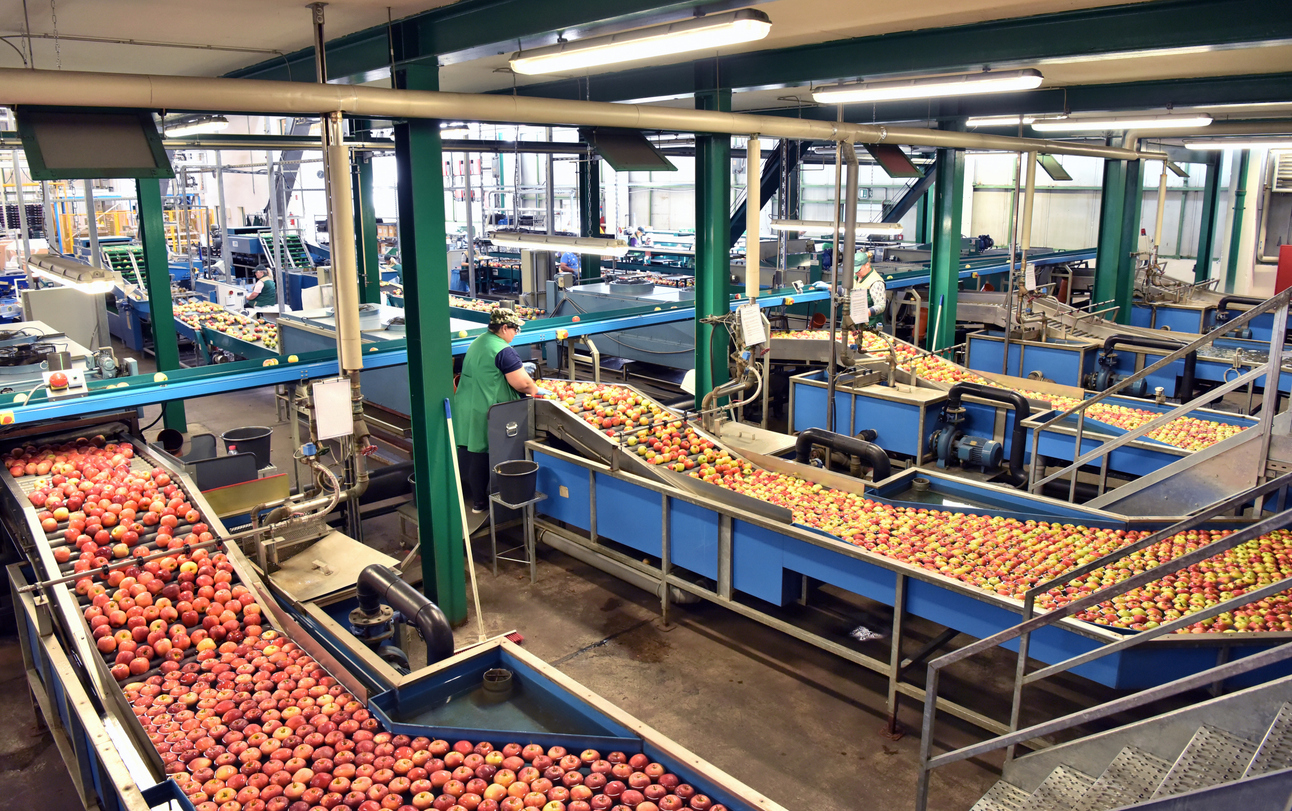
Nigeria’s food supply chain is rapidly evolving, driven by population growth, urbanisation, and increasing demand for fast-moving consumer goods (FMCG). For importers, distributors, and retailers, securing a reliable food warehouse in Nigeria is essential for maintaining product quality, ensuring timely delivery, and reducing operational risks.
This article explores what to consider when selecting a food warehouse, common challenges in Nigeria’s logistics environment, and how businesses can optimise their storage and distribution strategies.
The Role of a Food Warehouse in Nigeria’s Supply Chain
A food warehouse is more than just a storage facility. It plays a critical role in preserving product integrity, managing inventory, and enabling efficient distribution across regions.
In Nigeria, where infrastructure gaps and climate conditions can impact food quality, warehouses must be equipped to handle:
- Temperature-sensitive goods
- Bulk storage for imported and locally sourced products
- Inventory tracking and rotation (FIFO/FEFO)
- Safe handling and packaging
Businesses that rely on a well-managed food warehouse in Nigeria can reduce spoilage, improve delivery timelines, and maintain compliance with food safety standards.
Key Features of a Reliable Food Warehouse in Nigeria
When selecting a warehouse partner, businesses should prioritise the following features:
1. Strategic Location
Proximity to ports such as Apapa (Lagos) or Tin Can Island is crucial for importers. Warehouses located near major transport routes reduce transit time and logistics costs.
For nationwide distribution, facilities positioned in commercial hubs like Lagos or Ogun State provide better access to key markets.
2. Proper Storage Conditions
Nigeria’s tropical climate presents challenges for food storage. A reliable warehouse should offer:
- Climate-controlled storage for perishable goods
- Dry storage for grains, packaged foods, and FMCG products
- Pest control and sanitation protocols
Maintaining consistent storage conditions is essential to prevent product degradation.
3. Inventory Management Systems
Modern warehouses use digital systems to track stock levels, expiry dates, and movement. This improves transparency and reduces the risk of stock losses or mismanagement.
Businesses working with a professional food warehouse in Nigeria benefit from real-time inventory visibility and better planning.
4. Compliance and Safety Standards
Food storage must meet regulatory requirements set by agencies such as NAFDAC and SON. Warehouses should adhere to:
- Hygiene and safety protocols
- Proper documentation and traceability
- Secure handling and packaging practices
Non-compliance can lead to delays, fines, or product recalls.
Common Challenges in Food Warehousing in Nigeria
Despite growing investment in logistics infrastructure, businesses still face several challenges:
Infrastructure Limitations
Poor road networks and port congestion can delay inbound and outbound shipments, affecting warehouse operations.
Power Supply Issues
Unstable electricity can impact temperature-controlled storage, increasing the risk of spoilage.
Inventory Loss and Shrinkage
Without proper systems, warehouses may experience stock discrepancies, theft, or damage.
Regulatory Complexity
Navigating import regulations, customs clearance, and compliance requirements can slow down operations.
Practical Solutions for Businesses
To overcome these challenges, companies should adopt a structured approach to warehousing and logistics:
Partner with Experienced Logistics Providers
Working with an established partner like Wigmore Trading helps businesses access reliable warehousing infrastructure, professional handling, and integrated logistics services.
Wigmore Trading supports clients with:
- Secure and well-managed food storage facilities
- End-to-end supply chain coordination
- Import handling and customs clearance
- Distribution across Nigeria and West Africa
Invest in Supply Chain Visibility
Using digital tools for inventory tracking and reporting allows businesses to monitor stock levels, reduce waste, and improve forecasting.
Diversify Storage Locations
For large-scale operations, using multiple warehouse locations can reduce risk and improve delivery efficiency.
Ensure Compliance from the Start
Proper documentation, product labelling, and regulatory adherence help avoid delays and penalties.
Why a Reliable Food Warehouse in Nigeria Matters
Choosing the right warehouse partner directly impacts business performance. Efficient storage and distribution enable:
- Faster time-to-market
- Reduced product losses
- Improved customer satisfaction
- Better cost control
In a competitive FMCG and food distribution market, these advantages are critical for long-term success.
Conclusion
A dependable food warehouse in Nigeria is a key component of a resilient supply chain. From maintaining product quality to ensuring efficient distribution, the right facility can significantly improve operational outcomes.
Businesses should focus on location, storage conditions, compliance, and technology when selecting a warehouse partner. By addressing common challenges and working with experienced providers, companies can streamline their logistics and scale effectively in Nigeria’s growing market.
Wigmore Trading can help. Contact Wigmore Trading today to streamline your sourcing.






Comments are closed.