
Food Fulfilment Centre in Nigeria: Improving Efficiency in FMCG Distribution

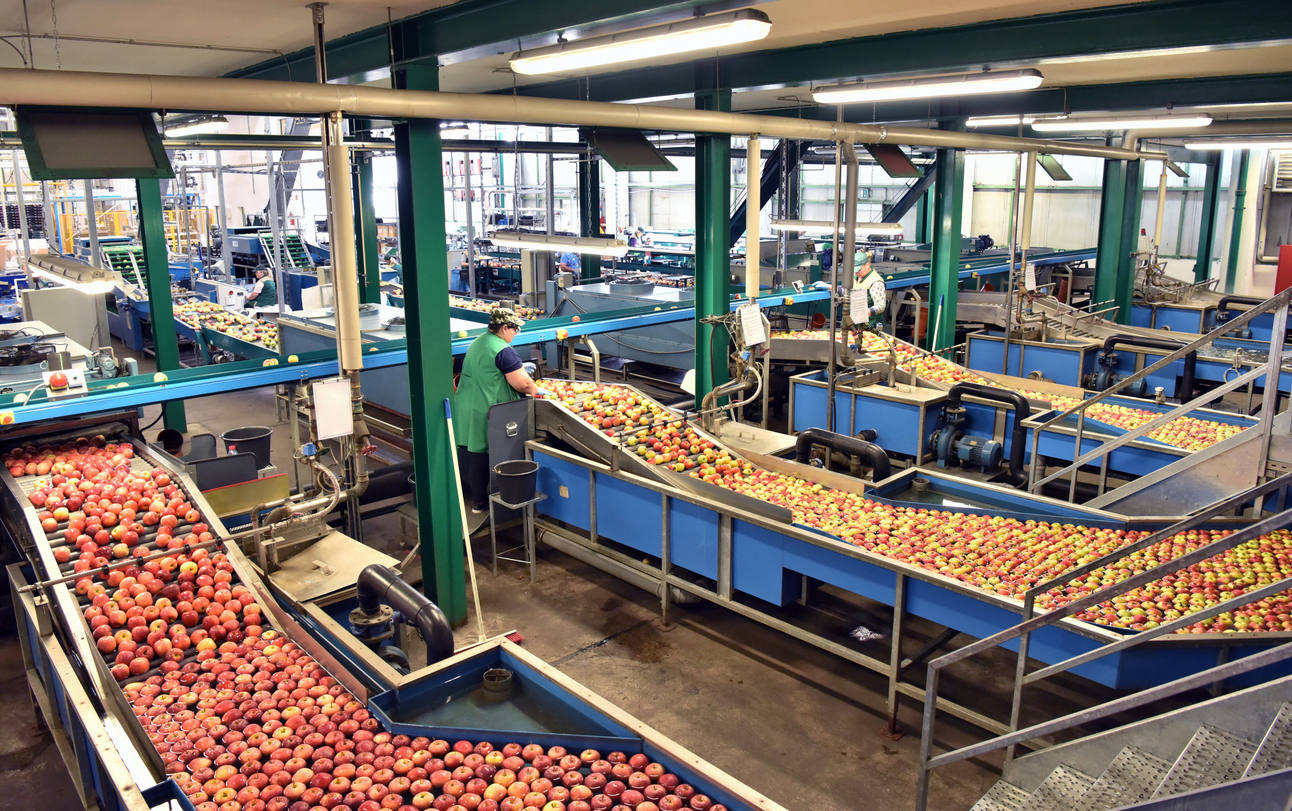
Nigeria’s fast-moving consumer goods (FMCG) sector continues to expand rapidly, driven by population growth, urbanisation, and rising consumer demand. However, one of the most critical challenges facing suppliers, distributors, and retailers is efficient product handling and delivery. This is where a food fulfilment centre in Nigeria plays a vital role in streamlining operations and improving supply chain performance.
What Is a Food Fulfilment Centre?
A food fulfilment centre is a specialised logistics hub designed to store, process, and distribute food products efficiently. Unlike traditional warehouses, fulfilment centres are focused on speed, accuracy, and order management. They handle activities such as inventory storage, order picking, packaging, and last-mile distribution.
In Nigeria, where infrastructure gaps and logistics inefficiencies can affect product availability, fulfilment centres provide a structured solution for managing food supply chains at scale.
Why Food Fulfilment Centres Matter in Nigeria
The Nigerian food distribution landscape is complex. Businesses must navigate inconsistent transportation networks, fluctuating demand, and regulatory requirements. A food fulfilment centre in Nigeria helps address these challenges in several key ways:
1. Improved Inventory Management
Fulfilment centres use structured systems to track stock levels, reducing the risk of overstocking or stockouts. This is especially important for perishable goods, where timing is critical.
2. Faster Order Processing
With organised storage and automated processes, orders can be picked, packed, and dispatched quickly. This improves delivery timelines and customer satisfaction.
3. Reduced Waste and Spoilage
Proper storage conditions, including temperature control where necessary, help maintain product quality and reduce losses.
4. Scalability for Growing Businesses
As demand increases, fulfilment centres allow businesses to scale operations without investing heavily in their own infrastructure.
Key Challenges in Food Distribution
Despite the advantages, businesses in Nigeria still face several operational hurdles:
- Inconsistent cold chain infrastructure
- High transportation costs
- Regulatory compliance requirements
- Fragmented supply networks
Without a centralised system, managing these challenges can lead to inefficiencies and increased operational costs.
How a Food Fulfilment Centre in Nigeria Solves These Issues
A well-managed fulfilment centre acts as a central hub that integrates sourcing, storage, and distribution. This reduces fragmentation and improves coordination across the supply chain.
For example, businesses can consolidate inventory in one location, making it easier to distribute goods to multiple regions. This approach minimises transportation inefficiencies and allows for better route planning.
Additionally, fulfilment centres help ensure compliance with food safety standards by maintaining proper storage conditions and handling procedures.
The Role of Technology in Fulfilment
Modern fulfilment centres rely heavily on technology to optimise operations. Systems such as warehouse management software (WMS) and inventory tracking tools provide real-time visibility into stock levels and order status.
In Nigeria, the adoption of such technologies is gradually improving supply chain transparency. Businesses can make data-driven decisions, forecast demand more accurately, and reduce operational risks.
Choosing the Right Fulfilment Partner
Selecting a reliable fulfilment partner is essential for achieving efficiency. Businesses should consider the following factors:
- Location and accessibility
- Storage capabilities (including cold storage)
- Compliance with food safety regulations
- Distribution network coverage
- Technology integration
Working with an experienced partner ensures that logistics operations are handled professionally, allowing businesses to focus on core activities such as sourcing and sales.
How Wigmore Trading Supports Food Fulfilment
Wigmore Trading plays a key role in supporting businesses that require a dependable food fulfilment centre in Nigeria. With expertise in sourcing, logistics, and distribution, Wigmore Trading helps companies manage their supply chains more effectively.
From coordinating imports to ensuring efficient last-mile delivery, Wigmore Trading provides practical solutions tailored to the Nigerian market. Their integrated approach reduces operational complexity and helps businesses maintain consistent product availability.
By leveraging established networks and local market knowledge, Wigmore Trading can assist with compliance, storage, and distribution challenges, making it easier for businesses to scale.
Conclusion
As Nigeria’s FMCG sector continues to grow, the need for efficient logistics solutions becomes increasingly important. A food fulfilment centre in Nigeria offers a practical way to improve inventory management, reduce waste, and enhance distribution efficiency.
Businesses that invest in structured fulfilment systems are better positioned to meet customer demand and navigate the complexities of the local market.
Wigmore Trading can help. Contact Wigmore Trading today to streamline your sourcing.






Comments are closed.