
Fresh Vegetables Delivery in Nigeria: Ensuring Quality, Efficiency, and Supply Chain Reliability

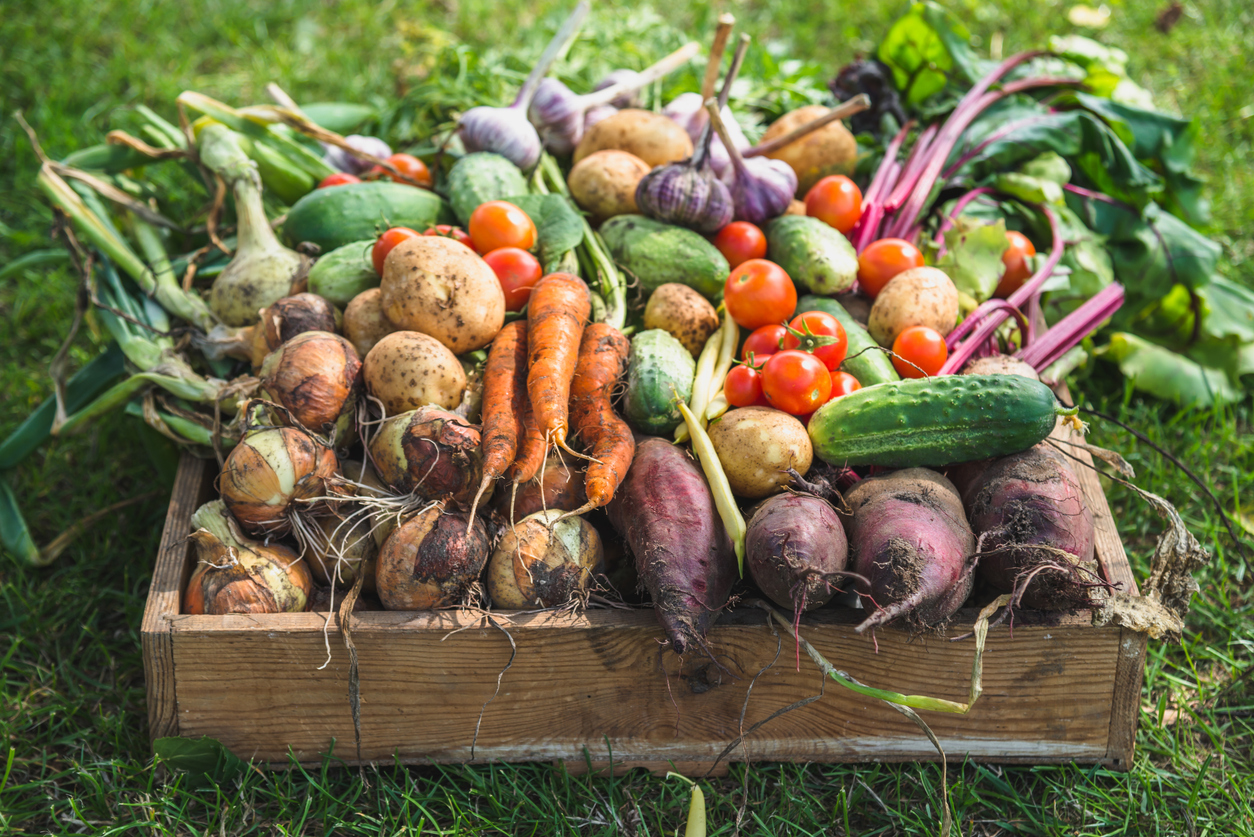
**Nigeria’s growing population and expanding urban centres have significantly increased demand for fresh produce. From households to restaurants, supermarkets, and food processors, consistent access to high-quality vegetables is essential. However, sourcing and distributing fresh produce efficiently remains a challenge due to logistics gaps, storage limitations, and supply chain inefficiencies.
This is where fresh vegetables delivery in Nigeria becomes a critical service, helping bridge the gap between farms and end users while maintaining product quality and reducing waste.
Understanding the Demand for Fresh Vegetables in Nigeria
The demand for fresh vegetables in Nigeria is driven by several factors, including urbanisation, rising health awareness, and the expansion of the food service industry. Consumers are increasingly prioritising fresh, locally sourced produce such as tomatoes, peppers, onions, spinach, and leafy greens.
However, the journey from farm to consumer is often complex. Poor road infrastructure, inadequate cold storage, and fragmented distribution networks can lead to delays and spoilage. Businesses that rely on consistent vegetable supply—such as hotels, restaurants, and retailers—need reliable delivery systems to maintain operations.
Key Challenges in Fresh Vegetables Delivery in Nigeria
1. Post-Harvest Losses
A significant percentage of vegetables produced in Nigeria is lost after harvest due to poor handling, lack of refrigeration, and inefficient transport systems. This affects both farmers and buyers, increasing costs and reducing availability.
2. Inconsistent Supply Chains
Many suppliers operate informally, leading to unpredictable supply volumes and quality. Businesses often struggle to find dependable partners who can deliver consistently.
3. Logistics and Transportation Issues
Transporting fresh vegetables requires speed and proper handling. Without temperature-controlled logistics, produce can spoil quickly, especially in Nigeria’s warm climate.
4. Quality Control and Standardisation
Maintaining consistent quality across batches is difficult without proper grading, packaging, and inspection systems.
How Structured Supply Chains Improve Delivery Efficiency
A structured approach to fresh vegetables delivery in Nigeria can significantly reduce inefficiencies. This involves:
- Direct sourcing from verified farms
- Proper sorting and grading processes
- Use of suitable packaging materials
- Efficient logistics planning and route optimisation
- Integration of cold chain solutions where necessary
By implementing these practices, businesses can ensure that vegetables reach their destination fresh, safe, and ready for consumption.
The Role of Wholesale Distributors and Trade Partners
Wholesale distributors play a vital role in connecting producers with large-scale buyers. They help aggregate supply, standardise quality, and manage logistics more effectively.
Companies like Wigmore Trading support this process by offering structured sourcing and distribution solutions. Through established networks, they help businesses access reliable supplies of fresh vegetables while ensuring compliance with quality standards.
For import/export businesses or large retailers, working with an experienced trade partner reduces operational risks and improves efficiency across the supply chain.
Leveraging Technology in Fresh Produce Delivery
Technology is increasingly transforming the fresh produce sector in Nigeria. Digital platforms now enable better coordination between farmers, distributors, and buyers.
Key innovations include:
- Real-time order tracking
- Inventory management systems
- Data-driven demand forecasting
- Mobile platforms for supplier coordination
These tools help streamline fresh vegetables delivery in Nigeria, improving transparency and reducing delays.
Best Practices for Businesses Sourcing Fresh Vegetables
To ensure consistent supply and quality, businesses should adopt the following strategies:
Partner with Reliable Suppliers
Work with established distributors who can guarantee consistent quality and volume.
Prioritise Logistics Planning
Efficient delivery schedules and proper handling reduce spoilage and ensure freshness.
Implement Quality Checks
Regular inspections and grading standards help maintain product consistency.
Use Scalable Supply Chains
As demand grows, businesses need flexible supply chains that can scale without compromising quality.
Wigmore Trading supports businesses by providing access to trusted sourcing networks, efficient logistics solutions, and structured distribution systems tailored to the Nigerian market.
The Future of Fresh Vegetables Delivery in Nigeria
As Nigeria’s food supply chain continues to evolve, the demand for reliable delivery systems will only increase. Investments in infrastructure, cold storage, and digital logistics platforms are expected to improve efficiency across the sector.
Businesses that prioritise strong supply chain partnerships and adopt modern distribution practices will be better positioned to meet growing demand while maintaining quality and cost efficiency.
Conclusion
Fresh vegetables are a vital part of Nigeria’s food ecosystem, but delivering them efficiently requires more than just transportation. It demands structured sourcing, proper handling, reliable logistics, and strong partnerships across the supply chain.
By addressing common challenges and adopting best practices, businesses can ensure consistent access to high-quality produce. Wigmore Trading can help streamline sourcing, distribution, and logistics for fresh vegetables across Nigeria.
Contact Wigmore Trading today to streamline your sourcing.






Comments are closed.