
Finding Reliable Fish Suppliers in Nigeria: A Guide for Businesses

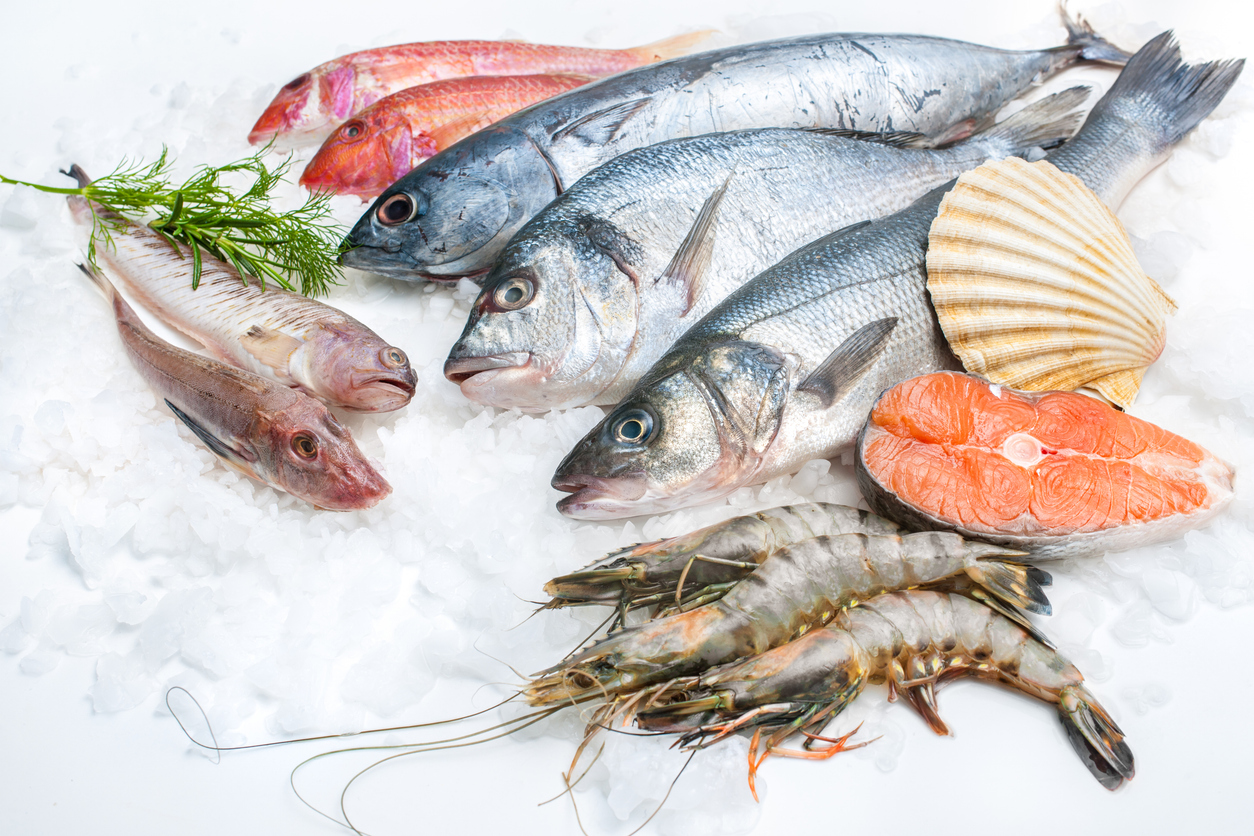
Nigeria’s growing population and strong demand for protein-rich foods have made fish one of the most traded commodities in the FMCG and food distribution sectors. From frozen imports to locally sourced seafood, businesses depend heavily on reliable fish suppliers in Nigeria to maintain consistent supply, quality, and pricing.
For wholesalers, retailers, restaurants, and food processors, choosing the right supplier is critical to ensuring product quality, regulatory compliance, and operational efficiency.
Understanding the Fish Supply Market in Nigeria
Nigeria’s fish supply chain is a mix of local production and imports. While aquaculture and inland fishing contribute significantly, the country still relies heavily on imported frozen fish such as mackerel, herring, and croaker.
Key supply channels include:
- Local fish farms and fisheries
- Importers and distributors of frozen fish
- Wholesale markets and cold storage operators
- Large-scale FMCG distributors
Businesses sourcing fish must evaluate not only pricing but also logistics capabilities, storage standards, and supply consistency.
Key Challenges When Working with Fish Suppliers in Nigeria
1. Inconsistent Quality Standards
Fish is highly perishable, and improper handling can lead to spoilage. Many businesses struggle with suppliers who lack proper cold chain systems, resulting in reduced product quality.
2. Supply Chain Disruptions
Import delays, port congestion, and fluctuating exchange rates can impact availability. This makes it difficult for businesses to maintain steady inventory levels.
3. Regulatory Compliance
Food safety regulations in Nigeria require proper documentation, including NAFDAC approvals and import permits. Non-compliance can lead to fines or product seizures.
4. Storage and Transportation Issues
Without reliable cold storage and refrigerated logistics, fish products can degrade quickly, leading to financial losses.
How to Identify Reliable Fish Suppliers in Nigeria
Evaluate Cold Chain Infrastructure
A dependable supplier should have robust cold storage facilities and refrigerated transportation. This ensures the fish remains fresh from source to delivery.
Verify Certifications and Compliance
Always confirm that suppliers comply with Nigerian food safety standards. Proper documentation is essential for both local and imported fish.
Assess Supply Consistency
Reliable suppliers should demonstrate the ability to meet demand consistently, especially for bulk orders.
Review Distribution Capabilities
Suppliers with established logistics networks can deliver products efficiently across different regions, reducing delays and operational risks.
The Role of Logistics and Distribution in Fish Supply
Efficient logistics is a key differentiator in the fish supply chain. Businesses must consider:
- Cold chain logistics for temperature-sensitive products
- Warehousing solutions with reliable power supply
- Timely delivery to prevent spoilage
- Inventory management systems for demand forecasting
Without these elements, even high-quality fish can lose value before reaching the end customer.
How Wigmore Trading Supports Fish Sourcing and Distribution
Navigating the complexities of sourcing from fish suppliers in Nigeria requires expertise in procurement, logistics, and compliance. Wigmore Trading provides structured solutions to help businesses streamline their operations.
Sourcing from Verified Suppliers
Wigmore Trading works with trusted suppliers to ensure consistent quality and reliable supply. This reduces the risks associated with sourcing from unverified vendors.
End-to-End Logistics Management
From import handling to last-mile delivery, Wigmore Trading supports businesses with efficient logistics solutions, including cold chain management.
Regulatory and Compliance Support
Ensuring compliance with Nigerian regulations can be challenging. Wigmore Trading assists with documentation, import processes, and adherence to food safety standards.
Scalable Distribution Solutions
Whether supplying wholesalers, retailers, or food service businesses, Wigmore Trading helps scale operations through efficient distribution networks.
Best Practices for Businesses Buying Fish in Nigeria
To optimize procurement and reduce risk, businesses should:
- Build long-term relationships with reliable suppliers
- Invest in proper storage facilities
- Monitor market trends and pricing fluctuations
- Work with logistics partners who understand cold chain requirements
- Ensure all products meet regulatory standards
These practices help maintain product quality while improving operational efficiency.
Conclusion
The demand for fish in Nigeria continues to grow, creating opportunities for businesses across the supply chain. However, sourcing from dependable fish suppliers in Nigeria requires careful evaluation of quality, logistics, and compliance factors.
By partnering with experienced supply chain providers, businesses can overcome common challenges and ensure consistent product availability. Wigmore Trading can help streamline sourcing, logistics, and distribution, enabling businesses to operate more efficiently in Nigeria’s competitive food market.
Contact Wigmore Trading today to streamline your sourcing.






Comments are closed.